Ghana has rejected the United States’ terms for bilateral health assistance, particularly the requirement to share sensitive health data. This decision highlights a growing trend among African nations to resist foreign aid conditions. Countries like Zambia and South Africa are also navigating similar challenges regarding US assistance.
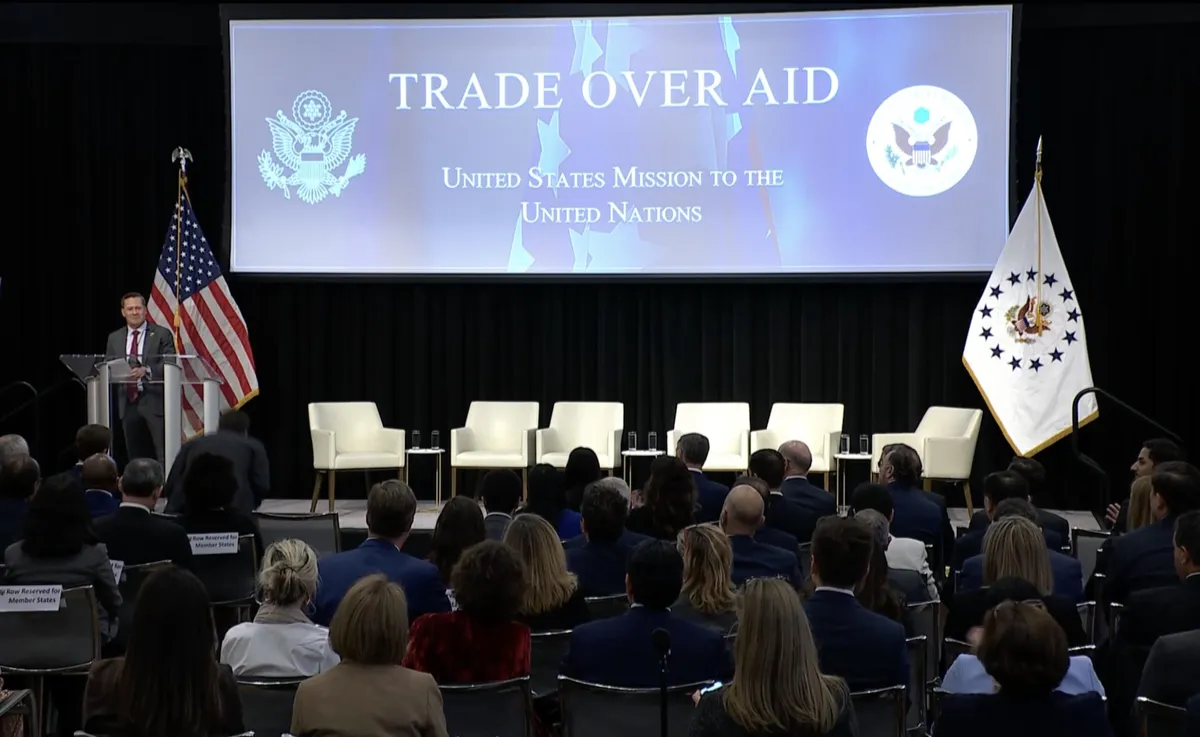
Previously, the expectation was that African countries would accept US aid without significant pushback. The Trump administration’s approach included new conditions that many nations found unacceptable. Ghana’s recent rejection marks a decisive shift in this dynamic.
As a direct consequence, Zambia faces a deadline of 30 April to decide on whether to offer its mineral wealth to US companies in exchange for health support. Currently, US aid provides antiretroviral treatment for an estimated 1.3 million Zambians, which underscores the potential risks of such negotiations.
South Africa has been excluded from US health aid due to its criticism of Israel, further complicating its relationship with American foreign policy. The DRC recently signed a strategic partnership agreement with the US aimed at promoting critical mineral flows for commercial and defense purposes, indicating that not all nations are resisting these conditions.
Expert opinions highlight concerns:
Thomas McHale stated, “Our report illustrates what an ‘America First’ approach to global health looks like: Lifesaving programs shuttered, world-class research jettisoned, decades of progress against HIV/AIDS jeopardized.” and Emily Bass noted, “Short-sighted, sudden withdrawal of funds for critical components of the HIV response will cause long-term harm to infants, children, adolescent girls and young women, and other groups at the highest risk of HIV.”.
The impact of these changes on future health initiatives remains uncertain. Officials have not confirmed how Ghana’s stance will affect its international relations or the broader implications for US foreign policy in Africa. Nevertheless, countries are increasingly prioritizing their sovereignty over external aid conditions.