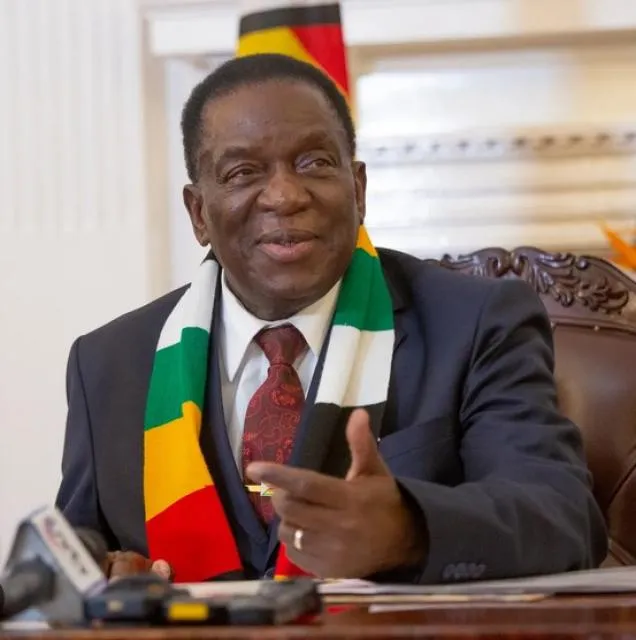
The proposed constitutional amendment in Zimbabwe could allow President Emmerson Mnangagwa to extend his rule, sparking intense debate and controversy. Critics warn it might undermine the current two-term limit established by the 2013 constitution. Public hearings on the amendment are ongoing.
This amendment could significantly impact Zimbabwean politics. Supporters argue it will promote political stability, while opponents fear it benefits only the incumbent. The current constitution aimed to prevent power concentration and ensure a democratic transition.
Emmerson Mnangagwa became President of Zimbabwe in 2017 after the removal of long-time leader Robert Mugabe. Since then, he has faced challenges in governance and public trust. The constitutional reform is viewed as one of the most consequential tests since the charter was introduced.
Activist Eddy Micah Jr. is among those engaged in discussions about this reform. He emphasizes that the debate around this amendment reflects broader concerns about democracy and governance. Critics warn it could rewrite the rules around leadership selection.
The proposed changes have garnered mixed reactions from various sectors of society. Some believe extending presidential tenure could stabilize the government, while others see it as a threat to democratic principles. The outcome of this debate may shape the future of Zimbabwean governance.
The government has not provided a timeline for when a decision on the amendment might be made. Meanwhile, public sentiment remains divided as discussions continue across the nation.