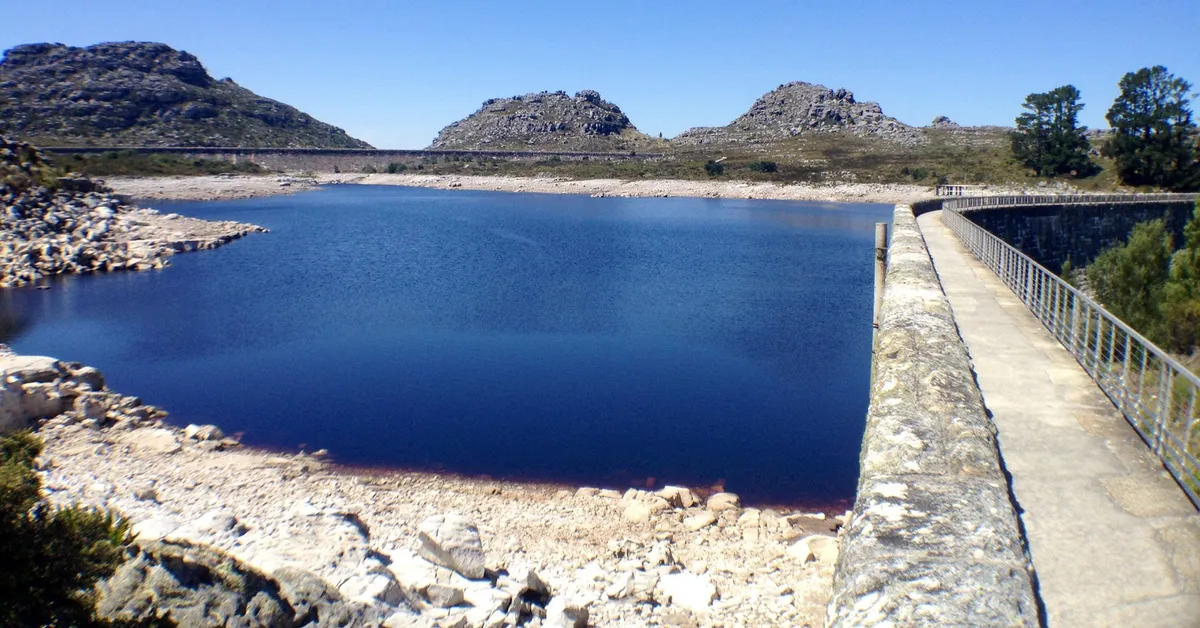
Before the recent developments, South Africa’s public dams were accessible for recreational purposes under the National Water Act, which allowed individuals to use water for reasonable recreational activities. This framework recognized existing lawful uses, fostering a vibrant tourism and recreation industry around these water bodies.
However, the proposed new regulations, set to be finalized by April 15, 2026, have introduced stricter controls over access to State dams and surrounding land. Critics argue that these changes could have severe implications for local economies, particularly those reliant on tourism and recreational activities.
Under the new regulations, access to dams will be restricted to formalized leases, and any recreational use of water surfaces will require approval from a ‘competent authority.’ This shift marks a significant departure from previous practices, where informal access was commonplace.
Notably, the regulations classify activities such as taking photographs at a dam as illegal without multiple agreements with the Department of Water and Sanitation. This has raised alarm among local communities and businesses that depend on the influx of visitors to these areas.
Igor Scheurkogel, a representative from Chas Everitt International, highlighted that the regulations could stifle local economic development, stating, “Resource Management Plans would require every slipway, jetty, and natural access point to be authorized and are now being used to expropriate access via back-door leases.”
The yellowfish angling industry on the Vaal River, for example, generates over R133 million per season, illustrating the economic stakes involved. Thousands of people rely on tourism and recreation around state dams, and the proposed regulations threaten to disrupt these livelihoods.
Berry Everitt pointed out that the implications could be particularly severe for properties situated around some of the country’s best-known dams, potentially affecting property values and lifestyle estates.
In response to the proposed regulations, the Democratic Alliance (DA) has called on affected communities to voice their opposition, emphasizing that policies should prioritize job creation and inclusive economic participation. Scheurkogel remarked, “These proposed regulations will make it harder for the communities that have built their lives around these dams.”
As the deadline for objections approaches, stakeholders are left grappling with the potential consequences of these regulations. Details remain unconfirmed regarding the exact impact on local economies, but the concerns raised highlight a significant shift in the management of South Africa’s water resources.