In the wake of escalating tensions in the Middle East, the situation surrounding the Iranian ports blockade has reached a critical juncture. Just before the key development, South African Minister Ronald Lamola emphasized the need for dialogue, stating, “The only path to peace in the Middle East is dialogue.” This statement came amid ongoing military actions and diplomatic efforts involving multiple nations.
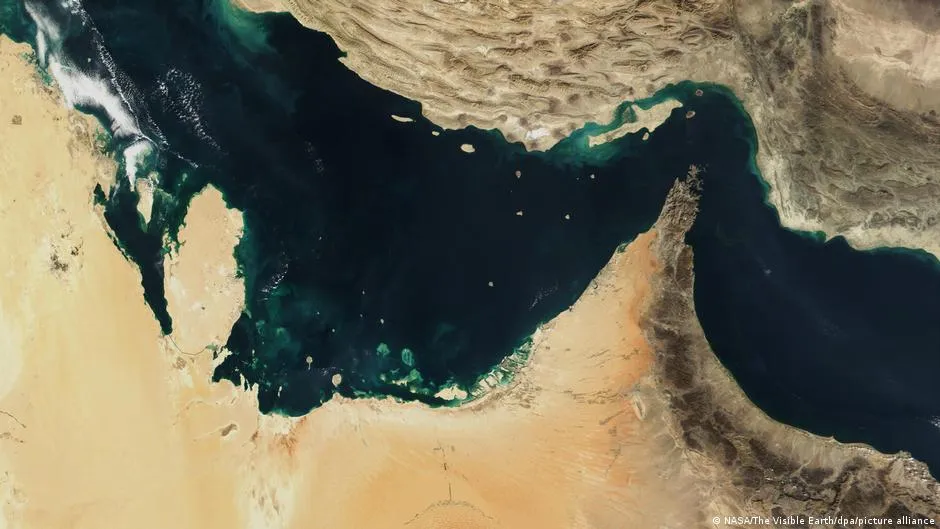
On April 14, 2026, a video conference is scheduled to discuss an international mission aimed at securing the Strait of Hormuz. French President Emmanuel Macron described the mission as “strictly defensive” and separate from the warring parties involved in the conflict. This initiative follows a series of events that have heightened tensions in the region.
Earlier, in February 2026, the United States and Israel launched an attack on Iran due to stalled negotiations regarding Iran’s nuclear facility. This military action has contributed to the current standoff, with both the US and Iran accused of violating the UN charter by Lamola.
In a recent escalation, US President Donald Trump ordered a naval blockade on the Strait of Hormuz, warning that any Iranian ships approaching the blockade would be “immediately ELIMINATED.” This declaration has been met with strong reactions from Iran, particularly from the Islamic Revolutionary Guard Corps (IRGC), which views the presence of US military vessels in the area as a violation of the cease-fire.
Lamola condemned Iran’s retaliatory attacks on Gulf countries, labeling them as violations of international law. He reiterated the importance of diplomacy and called for a ceasefire to hold in the region. The ongoing conflict has drawn international attention, with various leaders urging for a peaceful resolution.
As the situation stands, the international community is closely monitoring the developments surrounding the Iranian ports blockade. The upcoming video conference is expected to address the security of the Strait of Hormuz and the broader implications of the blockade on regional stability.
This sequence of events is significant as it highlights the complexities of international relations in the Middle East, where military actions and diplomatic efforts are often intertwined. The outcome of the planned mission and the response from Iran will be crucial in determining the future dynamics of the region.
Details remain unconfirmed regarding the exact nature of the international mission and the potential for further military engagement. As discussions continue, the emphasis on dialogue remains a focal point for those seeking to de-escalate tensions in the area.