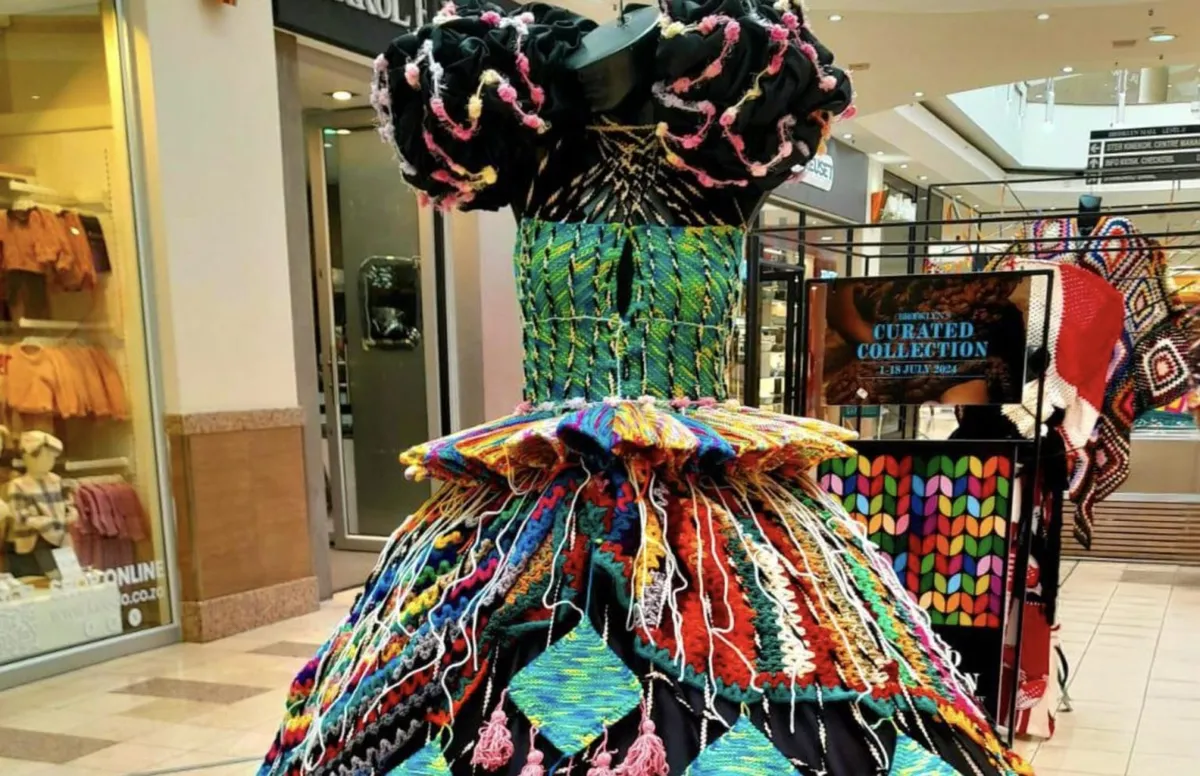
“More than two centuries later, our purpose remains the same: to provide a safe, stable and loving home for children who cannot remain in their family environments,” said Nina Crawford of the SA Children’s Home. This institution has provided care for 44 children who have faced trauma and hardship. Founded in 1808, it stands as one of the oldest child welfare institutions in South Africa.
The children at the home receive emotional and practical support from dedicated caregivers. They rely on community donations for financial support and supplies. This nurturing environment aims to help them heal and grow.
In Limpopo, communities like Muyexe and Matiyane practice sustainable harvesting methods that reflect their cultural beliefs. In Muyexe, villagers hand-harvest mopane worms to protect the trees. This practice has resulted in no recorded violations over the past five years. In Matiyane, villagers only collect marula fruit after it has fallen, respecting the trees that are vital for food security.
Prof Ndidzulafhi Innocent Sinthumule noted, “Cutting any tree species that bear fruits is considered a taboo because these trees, particularly the Marula, are vital for food security, economic livelihood, and cultural survival.” These methods exemplify community conservation efforts that benefit both people and the environment.
Craig Wilkinson’s book ‘Force for Good’ addresses fatherlessness in South Africa. It emphasizes that true masculinity involves love, service, protection, honor, and provision. Wilkinson argues that men lacking mentorship may become destructive rather than protective.
The themes of healthy masculinity resonate with the challenges faced by many children at the SA Children’s Home. The absence of strong male figures can impact their development. Community initiatives aim to fill this gap by promoting positive role models.
The practices in Limpopo not only sustain local ecosystems but also enhance community resilience. Mopane worms and marula fruits are essential for food security and income in these areas. The blend of cultural heritage with sustainability creates a model for future generations.
As these communities continue to thrive through sustainable practices, they demonstrate a commitment to conservation that aligns with their cultural values. The SA Children’s Home remains a beacon of hope for children seeking stability amid adversity.