Introduction
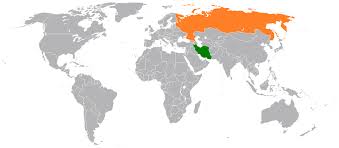
The relationship between Russia and Iran has undeniably grown stronger over the past few years, representing a significant development in the geopolitical landscape of the Middle East and Central Asia. These two nations have forged their partnership amid various international challenges, especially against the backdrop of Western sanctions. This has been followed by an increase in military cooperation and diplomatic ties between the two countries.
Cooperation and Bilateral Relations
Since the early 2000s, Russia and Iran have developed a strategic partnership, which has come into the spotlight of international politics particularly in recent years. The development of the Saudi Arabian energy project and the participation of both countries in the Syrian civil war have further strengthened their ties. Russia has supported Iran in the Syrian conflict, while Iran has backed Russia’s promotion of the Syrian regime.
In September 2023, the two countries announced a new phase of their military cooperation, with Russia expected to deliver more combat aircraft and weapons to Iran. This development comes amid heightened tensions with the West, which targets Iran’s nuclear program and its military expansion in the Middle East. Iran confirms that it will henceforth play a greater role in regional security and military cooperation with Russia.
International Impact
The intensification of Russia-Iran relations also has a broader impact on the international community. Both countries have recently established closer ties with China, creating complex triangular alliances among the nations. These alliances could further weaken Western influence in the region and globally. Additionally, the military developments stemming from this partnership may increase tensions in U.S. and European policies.
Conclusion
The bilateral relationship between Russia and Iran is of great importance for the future geopolitics of the Middle East. With ongoing sanctions against both countries, it appears they will continue to collaborate to withstand Western pressure. This could lead to a reconfiguration of alliances and possibly a new balance of power in the region. It is important for politicians and leaders in the region to monitor this dynamic, as a shift in power balances can extensively affect international security and economic stability.