Introduction
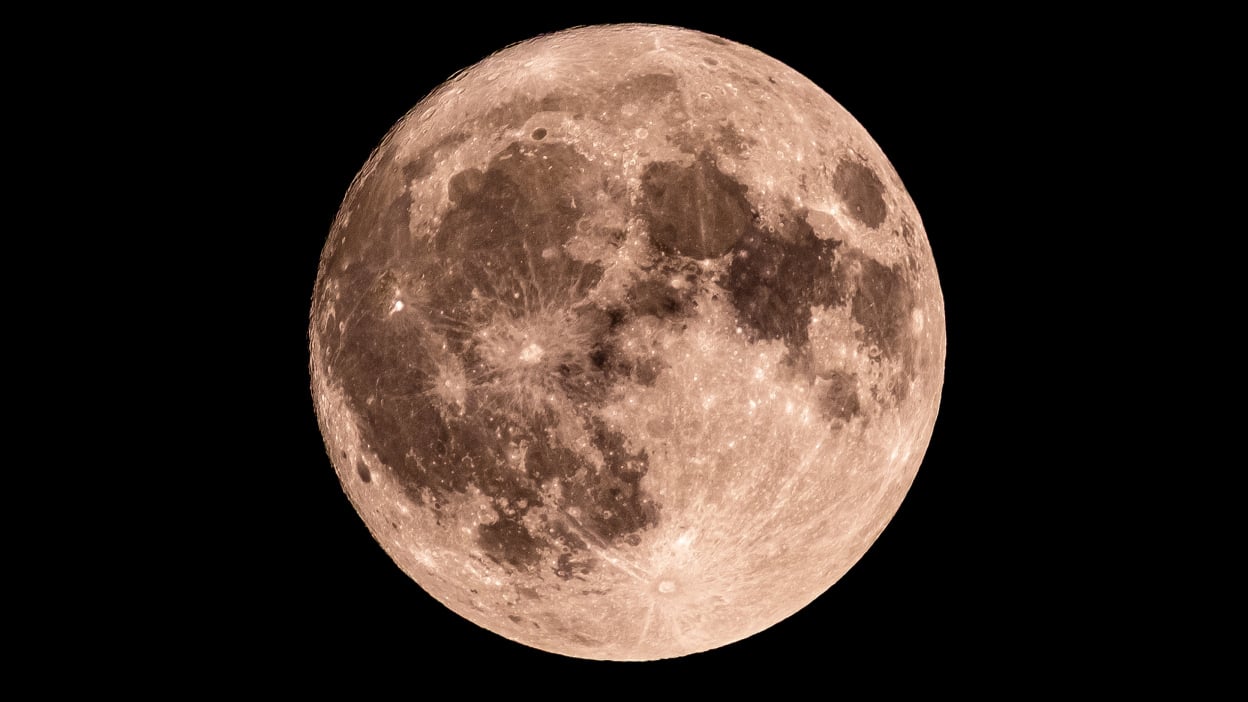
The full moon, a beautiful and mystical phenomenon, has captured human imagination since ancient times. It is regarded as a symbol of renewal and transformation in many cultures around the world. The full moon has a direct influence on nature, including the tides of the oceans, and it also plays a role in people’s emotions and behavior.
The Science Behind the Full Moon
The full moon occurs when the Earth is aligned between the sun and the moon, giving the moon a bright, radiant appearance. Scientific studies have shown that the moon’s cycle can affect Earth’s weather, animal migration, and even human behavior. It is believed that the lunar phases can influence aspects such as sleep quality, emotional state, and health.
Cultural Significance
Various cultures have specific rituals and events associated with the full moon. In the Indian tradition, the full moon is celebrated during what is known as ‘Purnima,’ a time of worship and reflection. In Chinese culture, the Moon Festival, which also marks a full moon, is an important family gathering. These gatherings emphasize the importance of togetherness and the celebration of harvest seasons.
The Full Moon in Contemporary Times
With the increase in scientific inquiry into the full moon, there is renewed interest in how this celestial body can influence our modern lives. Some people use the full moon as a time to set their goals and start new projects, while others use it as an opportunity to meditate and spiritually connect with themselves.
Conclusion
The full moon is not only a beautiful visual phenomenon but also a sign of the connection between us and the cosmos. It is a reminder that nature influences us and that we should appreciate our place within it. As the full moon completes its cycle, we can also take the chance to review our lives and focus on growth and renewal.