April 17th marks International Bat Appreciation Day. This year, new developments have shifted expectations regarding bat conservation in South Africa and Nigeria.
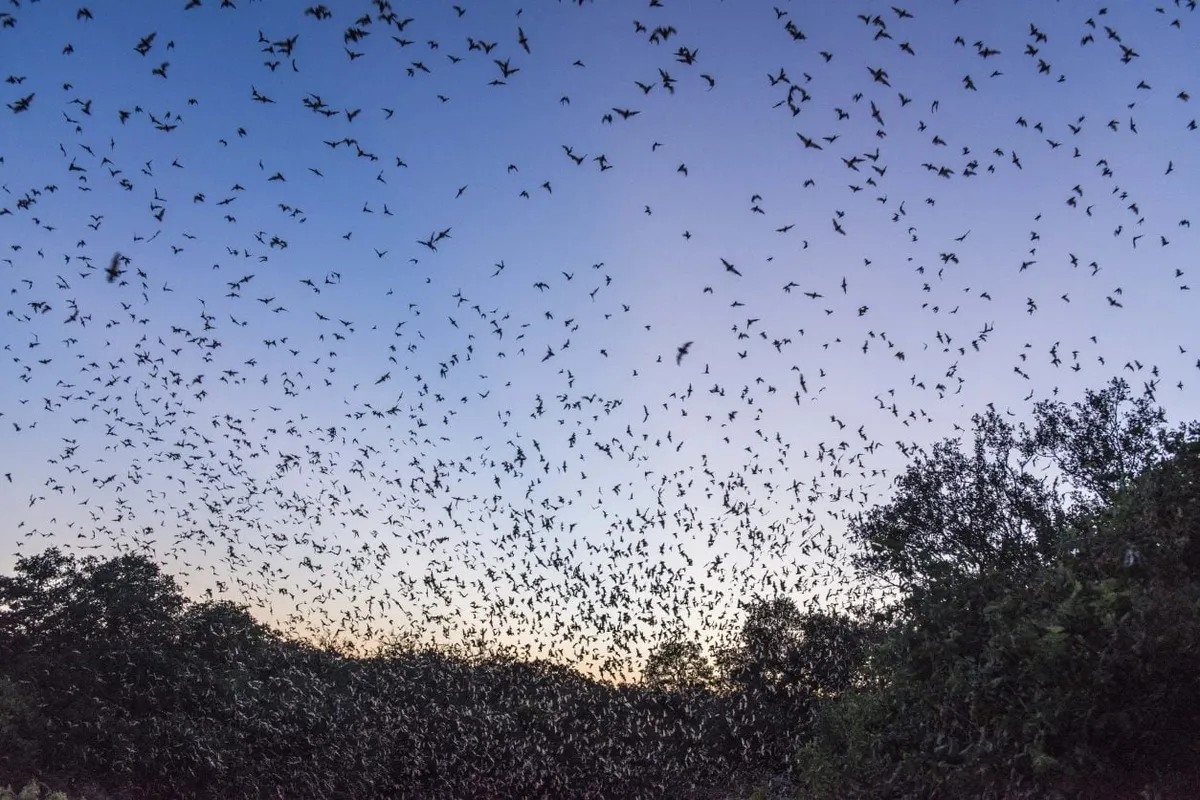
Previously, bats were often misunderstood. Many viewed them as pests rather than allies. Yet, their ecological role is significant. Bats can consume up to 600 mosquito-sized insects in one hour. They help control insect populations, reduce crop damage, and limit the spread of insect-borne diseases.
Recently, Iroro Tanshi’s team confirmed the presence of 14 bat species not previously known in Nigeria. This discovery is a decisive moment for bat conservation efforts in the region. The short-tailed roundleaf bat is now listed as vulnerable by the IUCN.
In South Africa, existing laws protect bats. There are no poisons legally registered for use against them. Catching and relocating bats without permits is illegal. Exclusion remains the only internationally accepted humane method for managing bat populations.
Exclusion must occur outside breeding seasons to avoid animal cruelty, with safe windows for exclusion running from mid-June to September. Farmers benefit from bats—research indicates they protect 0.53-1.29% of annual macadamia production.
But challenges persist. Farmers in Nigeria often resort to fire for land clearing, which can lead to wildfires and threaten local wildlife. Tanshi’s work has garnered recognition; he received the Goldman Environmental Prize for his efforts.
“It’s just beyond words,” Tanshi said about the award. “It means a lot to the work that we do.” His approach combines community-led action with conservation strategies.
Experts emphasize that bats are not evil animals or creatures to be feared. “They are our allies; not our enemies,” said Peter Knights, highlighting their vital role in ecosystems.
The direct effects of these discoveries are promising. They could lead to increased awareness and better protection for bats across both countries.
The future looks hopeful for bat populations in South Africa and Nigeria as conservation efforts gain momentum. Details remain unconfirmed regarding long-term impacts, but initial responses are encouraging.