Australia’s electricity demand profile is rapidly transforming. The growth of data centres drives this change. By 2030, data centre electricity consumption could reach approximately 6% of the National Electricity Market (NEM) demand, up from around 2% currently.
The International Energy Agency (IEA) projects that global electricity demand from data centres will more than double by 2030, exceeding 945 terawatt hours annually. This surge in demand places pressure on existing energy resources.
Origin Energy has responded to this shift. The company secured 75-85% of anticipated coal consumption for its Eraring Power Station for the 2027 financial year. Yet, it also extended Eraring’s operational life to April 2029 to ensure a secure power supply while renewable energy projects are developed.
Frank Calabria, CEO of Origin Energy, stated, “We’re well-positioned to support further growth in demand from this sector through grid connections, long-term renewable energy contracts, and on-site solar and batteries.” This highlights the company’s strategy to adapt to rising electricity needs.
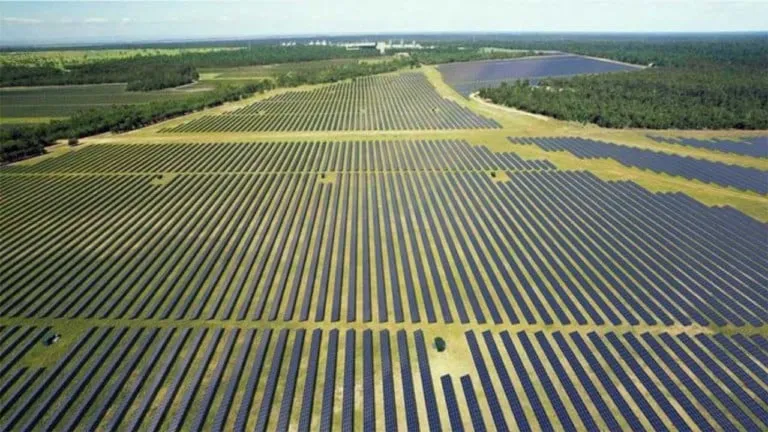
Origin aims for up to 5 gigawatts of renewables and energy storage by 2030. This goal represents approximately AU$1.7 billion (US$1.22 billion) in storage investment. The first stage of its Eraring battery storage project will generate revenue starting January 2026.
In contrast, the CARICOM region faces high electricity costs. The price of electricity often reaches twice the rates paid in Latin America. Additionally, energy imports consume about 7% of regional GDP in CARICOM.
Residents there express frustration over persistent outages. One resident noted, “Where we are staying, we have not had electricity for five months.” Such challenges highlight the stark differences in energy reliability between regions.
As Australia invests in renewable energy and battery storage, it seeks to mitigate risks associated with increasing data centre demand. However, uncertainties remain regarding how quickly these projects can scale to meet future needs.
The evolution of Australia’s electricity landscape reflects broader global trends. As data centres expand, they will play a significant role in shaping future energy strategies.
With these developments underway, the focus remains on balancing demand and supply effectively while transitioning toward sustainable energy solutions.