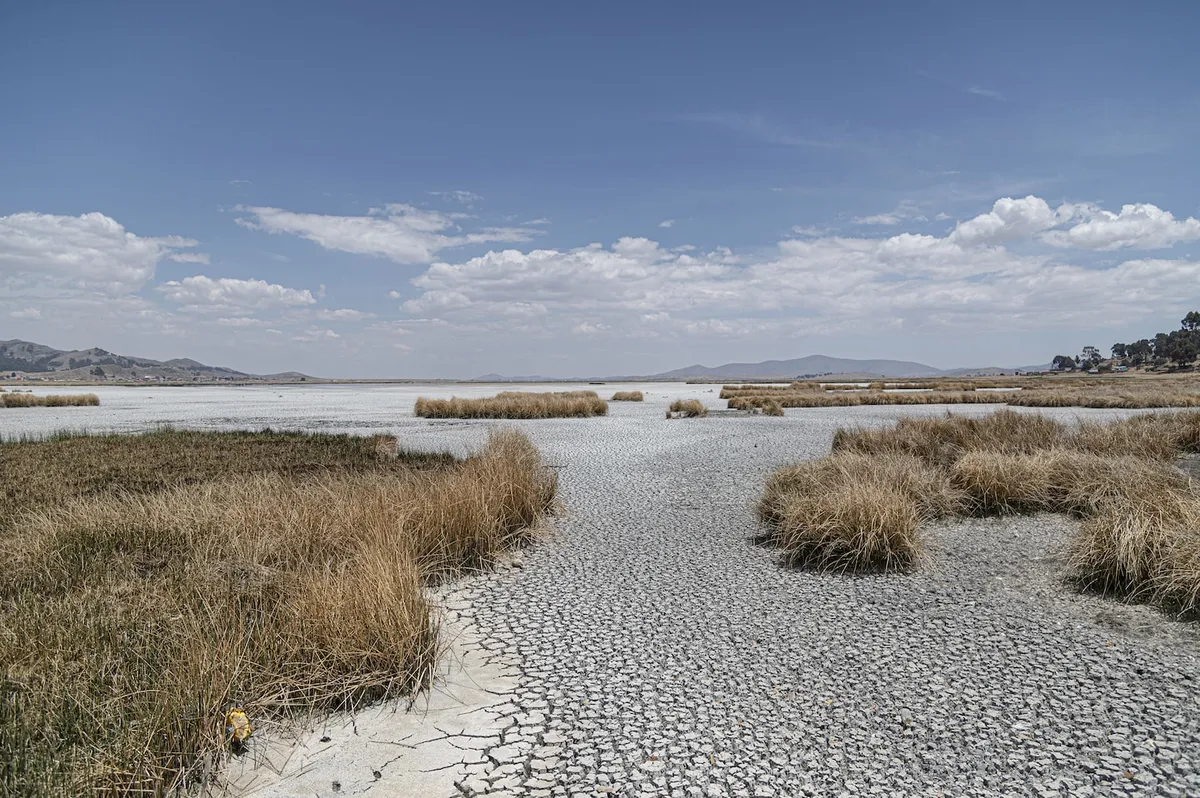
The question arises: how will the El Niño weather pattern impact South Africa? The answer is concerning, as El Niño typically brings drought conditions to southern Africa, significantly affecting the agricultural sector.
According to the South African Weather Service (SAWS), the country is forecasted to shift toward an El Niño state, which is associated with hotter and drier conditions. This shift raises alarms, particularly for maize production, a staple crop that accounts for approximately 50% of southern Africa’s caloric intake. The production of maize is expected to decline, with estimates suggesting a 20% drop during the 2023/24 El Niño event.
Historically, the effects of El Niño on crop production have been severe. During the 2015/16 El Niño event, food crop production in the region was slashed by nearly 80% in some areas. South Africa itself experienced a 25% decline in maize production during that period. Other neighboring countries, such as Botswana and Lesotho, faced even more drastic reductions, with maize crops declining by 80% and 67%, respectively.
The current El Niño-Southern Oscillation (ENSO) is in a neutral state, but predictions indicate a growing likelihood of a strong El Niño developing in the coming months. The US National Oceanic and Atmospheric Administration has suggested a 1-in-3 chance of a strong El Niño occurring between October and December 2026. José Álvaro Silva, a climate expert, noted, “Predicting its onset at this time of year is challenging and considerable uncertainty remains regarding its timing, duration and intensity.”
As the situation develops, caution is advised. The SAWS has highlighted that the predictive skill of ENSO phenomena can be limited during the winter months, adding to the uncertainty surrounding the upcoming El Niño. Daniel L. Swain, a climate scientist, remarked that the majority of predictive models suggest a high likelihood of a strong event by late summer or early autumn in the northern hemisphere. He emphasized, “The bottom line is that the chances of it arising in the coming months are increasing and there are signs that it could be on steroids.”
Details remain unconfirmed regarding the exact timing, duration, and intensity of the upcoming El Niño event. Additionally, the impact on local water availability and hygiene conditions in some communities remains unclear, raising concerns about food security and public health.
As South Africa braces for the potential effects of El Niño, the agricultural sector and policymakers are urged to prepare for the challenges ahead. The implications of reduced maize production could extend beyond agriculture, affecting food prices and overall economic stability in the region.