Rising jet fuel prices are forcing airlines to cancel flights. KLM has canceled 80 return flights from Amsterdam’s Schiphol Airport. Lufthansa is retiring dozens of aircraft ahead of schedule due to these costs.
Scandinavian Airlines plans to cut about 1,000 flights in April. Vietnam Airlines has suspended seven domestic flight routes starting April 1. AirAsia cut 10% of its flights and raised fares to offset rising fuel costs.
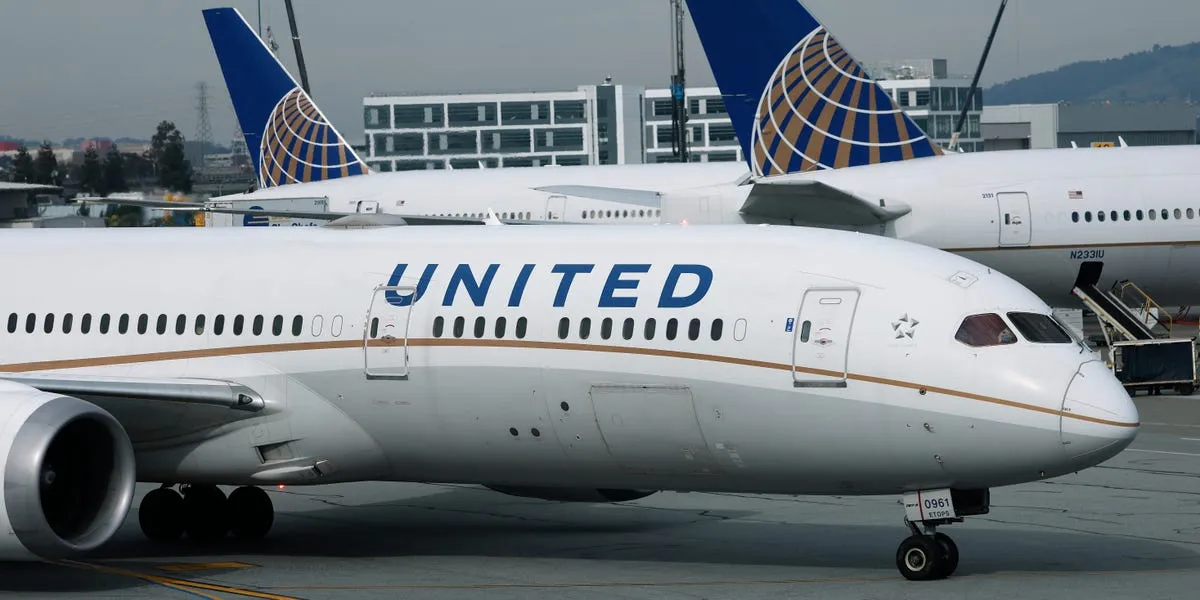
United Airlines intends to reduce flights over the next two quarters. Air New Zealand will cut around 5% of its flights beginning in May. Air Canada will suspend certain routes starting in late May.
The price of jet fuel has surged to nearly $200 a barrel, largely due to the ongoing conflict in the Middle East. This war has disrupted supply chains and affected jet fuel availability.
Airports Council International warned that if supply does not stabilize, potential jet fuel shortages may occur within three weeks. The EU currently has enough reserves for another six weeks.
Michael O’Leary, CEO of Ryanair, stated, “We don’t expect any disruption until early May, but if the war continues, we do run the risk of supply disruptions in Europe in May and June.” Such disruptions could lead to further cancellations.
June Goh, a senior oil market analyst, noted that travel has become significantly more expensive in Asia due to many airlines adding fuel surcharges or canceling flights altogether. Scott Kirby, CEO of United Airlines, warned that if prices remain high, it could mean an additional $11 billion in annual expenses for jet fuel alone.
Yet uncertainties remain. The exact timeline for when flight cancellations will begin due to fuel shortages is unclear. Additionally, the impact of rising fuel prices on airlines’ operational decisions is still unfolding.
Details remain unconfirmed as airlines assess their next steps amidst these challenges.