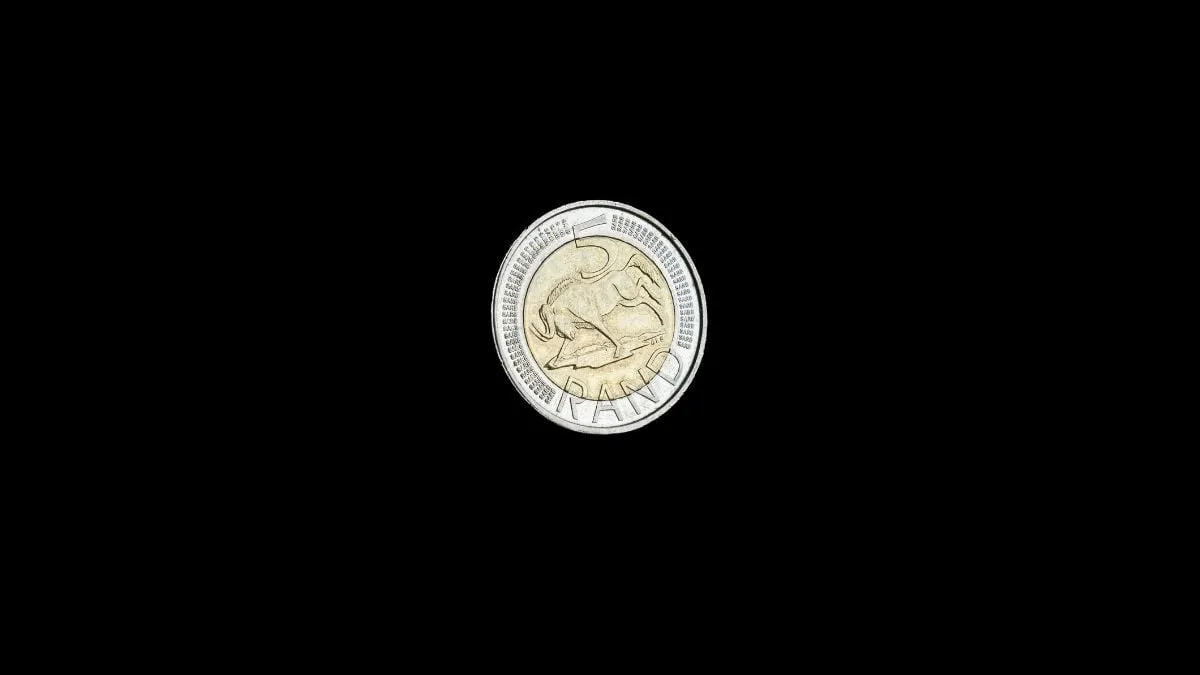
“The rand is typically sold in risk-off periods,” said Annabel Bishop, an economist. Her statement reflects the current sentiment surrounding the South African currency as geopolitical tensions escalate in the Middle East.
The South African rand has weakened significantly since the onset of the war in the region. It is now 3.5% weaker against the US dollar compared to pre-war levels. As of 16h20, the rand was trading at R16.34 to the dollar, R22.10 to the pound, and R19.23 to the euro.
Foreign investors have responded by selling off South African bonds, with total sales amounting to R34.1 billion. This outflow has further pressured the rand, which is now ranked among the worst-performing emerging market currencies.
The volatility of the rand is notable. It has experienced greater fluctuations than many of its counterparts in emerging markets. This instability reflects broader concerns about economic conditions in South Africa amid rising inflation risks.
“The risk, therefore, is for higher-than-expected inflation for South Africa, negatively affecting the rand,” Bishop added. The implications of these economic pressures are significant as they could lead to increased costs for consumers and businesses alike.
Additionally, Brent crude oil prices have surged over 5%, now hovering around $95.28 a barrel due to renewed tensions in the Middle East. Lesetja Kganyago highlighted that “the Iran war’s impact on oil prices has reinforced concerns about inflation.” Rising energy costs contribute directly to inflationary pressures within South Africa, putting further strain on the currency.
Details remain unconfirmed regarding how long these conditions will persist or their exact impact on future interest rates. The future direction of monetary policy remains uncertain as well.
The rand was trading at R16.38 per dollar, R19.25 per euro, and R22.11 per pound earlier today, indicating ongoing instability in exchange rates as markets react to global events.