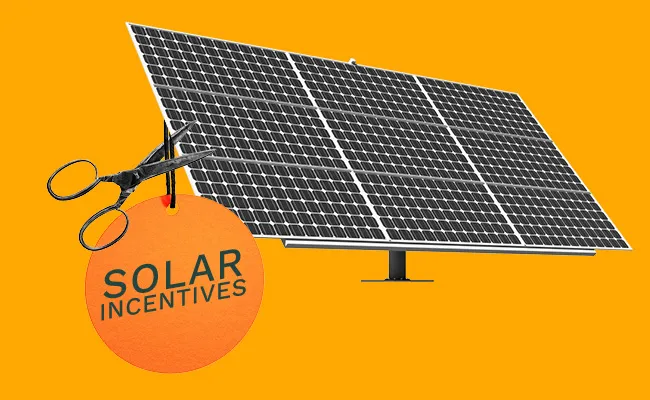
Fear of theft is significantly slowing the adoption of solar energy in South Africa, despite rising interest due to frequent power outages. Households hesitate to invest in solar systems because organized crime targets these valuable assets. The situation is particularly dire in the Eastern Cape province.
Key statistics:
- Solar power constitutes less than 10% of South Africa’s energy mix.
- 74% of the country’s electricity comes from burning coal.
- The unemployment rate in the Eastern Cape stands at 42.5%.
- 86% of high-income households cite cost as a barrier to switching to solar.
- 58% of low-income households also identify cost as a main obstacle.
Rodney Taylor, an expert on renewable energy, stated, “Fear of theft is a major deterrent preventing households from adopting solar energy.” Criminal syndicates have increasingly targeted solar panels and lithium-ion batteries. Theft occurs frequently during transport, storage, and at installation sites. Taylor noted that these items have become high-value assets, making them attractive to criminals.
The growing concern over security has led to calls for enhanced crime prevention measures. AI and drones are being deployed to protect solar installations. However, excessive bureaucracy and rising costs may push more consumers to disconnect entirely from the national grid, according to Wayne Duvenage.
Despite these challenges, there is still significant interest in alternative energy solutions. A survey found that 90% of respondents would choose solar panels to avoid future power cuts. Solar mini-grids could improve security and reduce costs for low-income communities.
The future remains uncertain as new regulations are adding barriers to adoption. Electricity costs for prepaid users increase significantly when switching to postpaid billing after installing solar systems. As South Africa grapples with ongoing power shortages, the need for a successful energy transition becomes increasingly urgent.