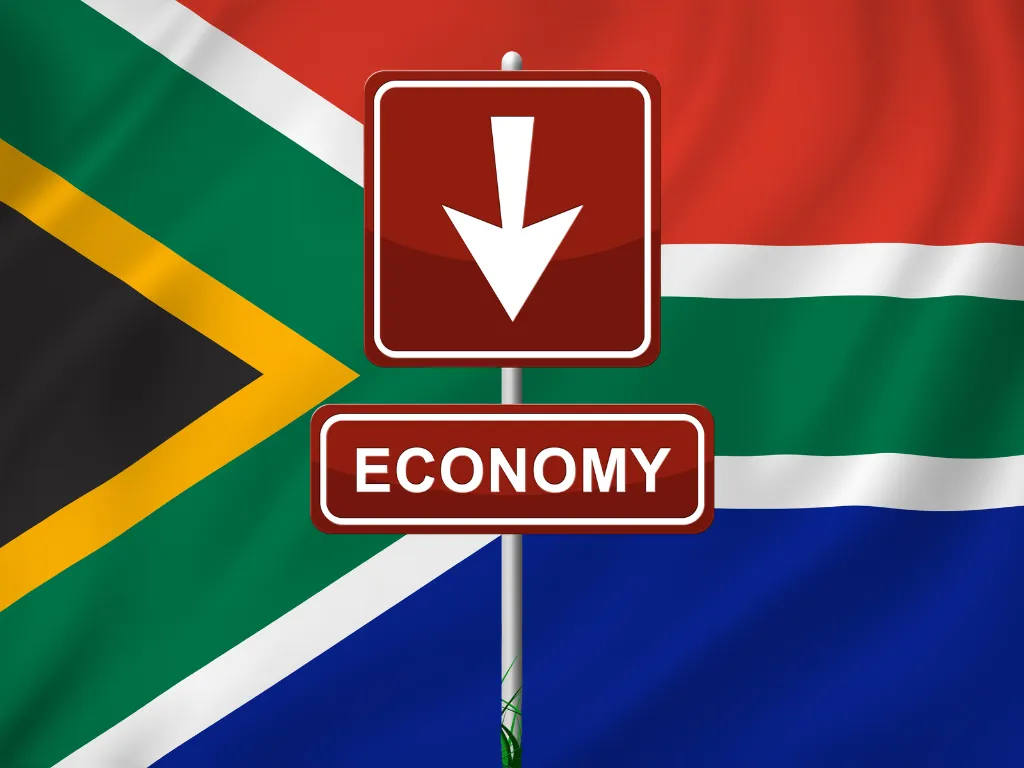
What does the current state of South Africa’s economy reveal about its future? With a growth rate of only 1%, the situation is precarious and raises urgent questions about the country’s economic policies and leadership.
South Africa’s economy is lagging significantly behind its emerging-market peers, which are experiencing an average growth rate of 4%. This stark contrast highlights the challenges faced by South Africa, where the investment rate is approximately half the world average. The unemployment rate, exceeding 30%, further compounds the issue, especially when compared to the world average of around 5%. These figures indicate a troubling economic landscape that has prompted calls for immediate action.
Political leaders, including President Cyril Ramaphosa, have come under fire for their handling of foreign investment. Critics argue that race-based laws and policies are deterring potential investors, a sentiment echoed by prominent figures such as Elon Musk, who has expressed concerns about the impact of these laws on investment opportunities in South Africa. Musk has stated that the current environment is not conducive to attracting foreign capital, which is essential for job creation and economic stability.
Geordin Hill-Lewis, a political figure in South Africa, has also voiced his concerns, stating, “I’m no fan of MAGA and no fan of Mr Trump whatsoever. I think he has put the world in a very dangerous place and in many ways, he is quite reprehensible, actually.” His comments reflect the broader sentiment among South African leaders who are grappling with the implications of global political dynamics on local economic conditions.
The precarious state of South Africa’s economy has led to warnings that without significant investment and job creation, the country is heading towards a national disaster. This alarming prediction underscores the urgency for political leaders to reassess their strategies and prioritize attracting foreign investment as a means of revitalizing the economy.
Moreover, the criticism directed at populist leaders for making statements that fail to create jobs highlights the disconnect between political rhetoric and economic reality. The survival of South Africa as a democracy is said to be at stake without a concerted effort to foster an environment that encourages investment and economic growth.
As the situation unfolds, the future of South Africa’s economy remains uncertain. The need for effective policies that can stimulate growth and attract foreign investment is more critical than ever. Details remain unconfirmed regarding specific measures that may be implemented to address these challenges, but the urgency for action is clear.