Amoebic meningoencephalitis has emerged as a significant health threat in Kerala, claiming 17 lives in just four months of 2026. There have been 96 confirmed cases reported during this period, raising alarms among health officials.
The situation is dire. In 2025, Kerala recorded 201 confirmed cases and 47 deaths. This rapid increase suggests a troubling trend that public health authorities must address.
A recent case involved a 26-year-old nurse who died in Thiruvananthapuram due to suspected amoebic meningoencephalitis. Such cases highlight the urgent need for effective water treatment and prevention strategies.
The revised diagnostic guidelines implemented in July 2024 have improved early detection of this infection. Dr. Rajeev Jayadevan noted, “Earlier, we used to test for amoeba only if other results were negative. Now, when a brain infection is reported, we test for amoebic meningoencephalitis.” This change has been crucial in identifying cases more efficiently.
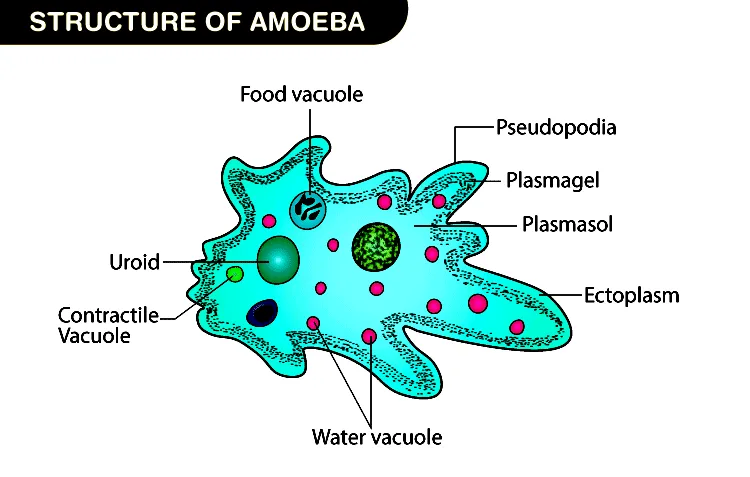
Health experts are increasingly concerned about the global implications of free-living amoebae like Naegleria fowleri, known as the brain-eating amoeba. These organisms can survive harsh conditions that eliminate other microorganisms.
Climate change further complicates matters by exacerbating the spread of these pathogens into new geographic areas. Dr. Anish T S commented, “Though such brain infections do occur widely in other states, they go unreported. It does not indicate poor management but better diagnosis.” This underscores the importance of awareness and reporting.
The technical guidelines on prevention, diagnosis, and treatment of amoebic meningoencephalitis aim to mitigate this health crisis. They were implemented to enhance response efforts and improve outcomes for patients.
With more than 30 cases recorded in the second half of 2024 alone, public health officials are on high alert. The community must remain vigilant as they navigate this serious threat.
The recent surge in cases indicates that free-living amoebae pose a growing global health risk. As authorities work to manage this outbreak, ongoing education about prevention and treatment remains essential.