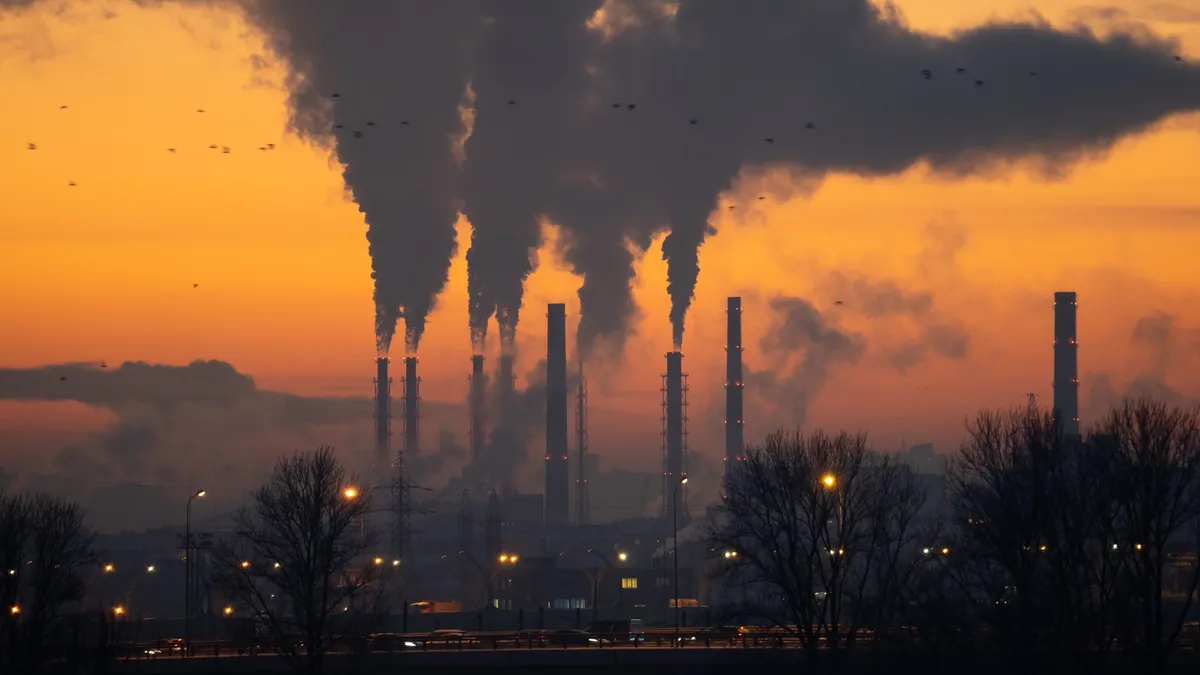
A significant reduction in burning incidents and PM10 levels in Cairo suggests that coordinated reforms can lead to improved air quality. Burning incidents in Greater Cairo and the Delta fell by nearly two-thirds between 2024 and 2025. The PM10 level in Greater Cairo dropped from 128 µg/m³ in 2020 to 88 µg/m³ in 2025.
Key statistics:
- 40% of Cape Town is exposed to dangerous air pollution according to a study.
- Air pollution contributed to 5.7 million deaths globally in 2020, making it the second leading risk factor for death.
- In 2017, annual premature deaths in Egypt from PM2.5 exposure were estimated at about 12,600.
- The cost of health impacts from air pollution across Egypt is estimated at 1.4% of the national GDP.
- The introduction of electric buses in Cairo aims to cut exhaust emissions and improve air quality.
The annual Black Cloud season in Cairo, from September to December, is characterized by heavy haze and burning smells due to emissions from open burning of rice stubble and other sources. Yet, recent reforms appear to be having an impact. Marine cloud reflectivity has dropped by roughly 2.8% per decade across the North Atlantic and Northeast Pacific due to cleaner air.
This progress reflects a commitment from local authorities, including the Egyptian Environmental Affairs Agency and support from international entities like the World Bank. However, officials have not confirmed whether these changes will be sustained long-term as air quality monitoring continues.
The situation remains dynamic as authorities work on further measures to combat air pollution. The upcoming Black Cloud season will test these efforts once again.