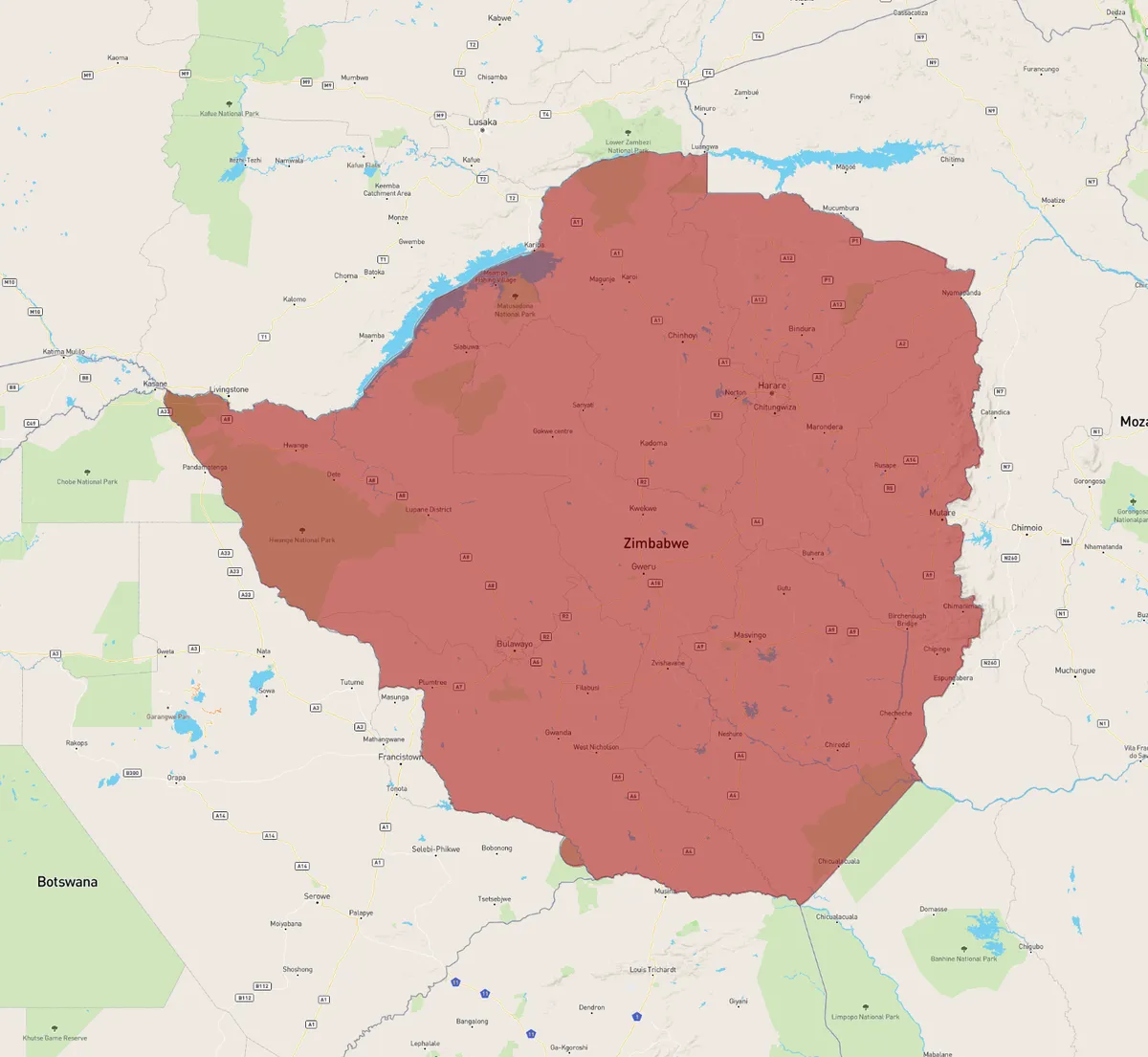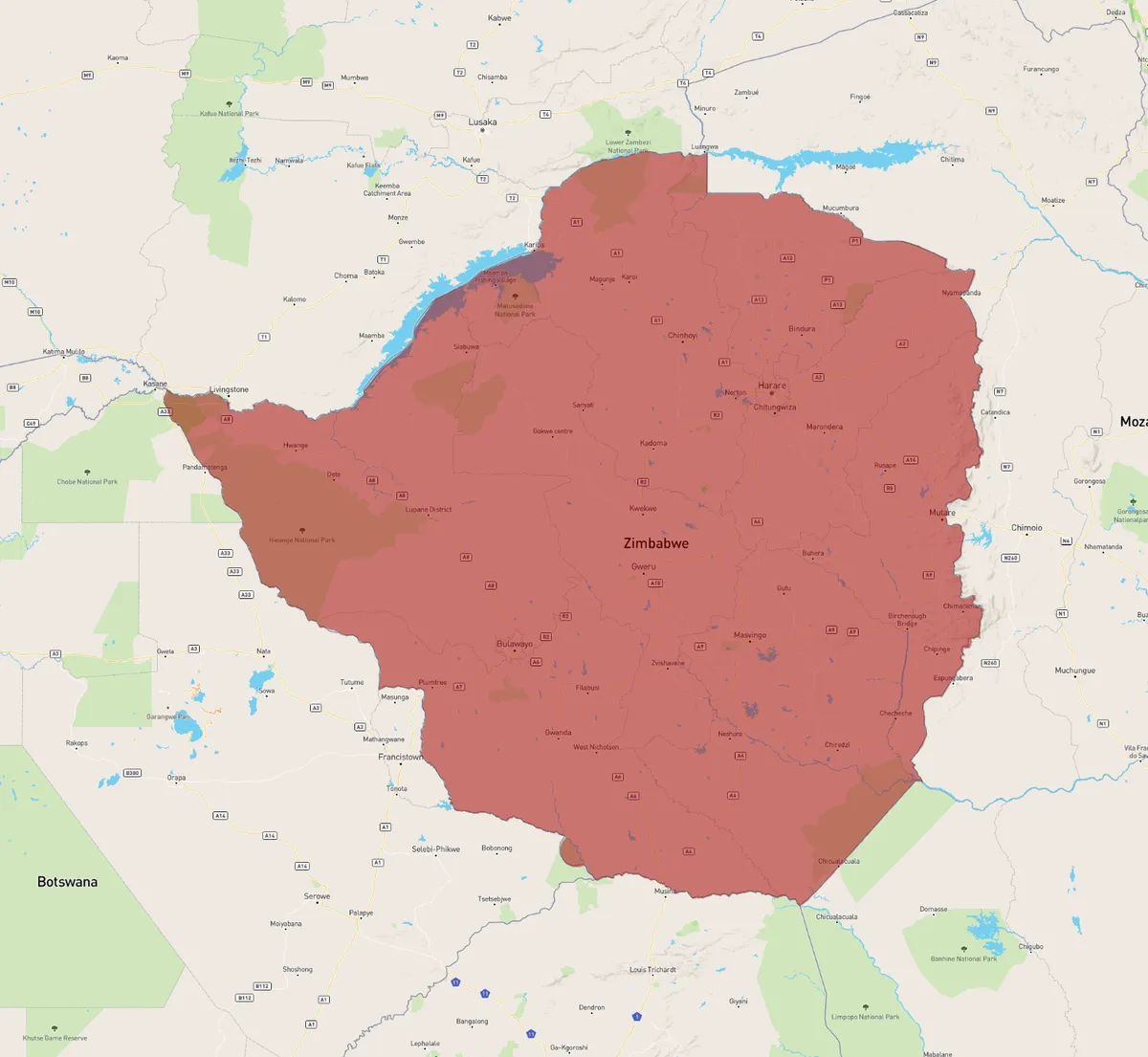
On March 21, 2026, tensions in Zimbabwe escalated dramatically when Tendai Biti, the leader of the Constitution Defenders Forum (CDF), was arrested by state police. This incident occurred against the backdrop of significant political developments, particularly the introduction of the Constitution Amendment Bill No. 3, which aims to allow limitless presidential terms.
The CDF has been vocal in its opposition to these amendments, arguing that they threaten democratic principles and could lead to further political instability in Zimbabwe. The Democratic Alliance, a political organization, condemned Biti’s arrest, stating, “This latest act of wanton state brutality on political freedom should sound alarm bells to South African Presidency and DIRCO.” This statement underscores the growing concern among regional observers regarding Zimbabwe’s political climate.
Prior to Biti’s arrest, Zimbabwe was also grappling with public health issues. In 2023, environmental samples tested positive for poliovirus, prompting a large-scale reactive vaccination campaign. By March 2024, approximately 4.7 million children had been vaccinated, exceeding the initial target by 13.2%. Dr. Douglas Mombeshora, a health official, remarked, “The detection of cVDPV2 is a serious concern, but we are prepared to respond swiftly and effectively.” This proactive approach highlights the government’s efforts to address health crises amid political turmoil.
In addition to these developments, the Great Zimbabwe Hotel in Masvingo is undergoing a multi-million-dollar expansion project, which will add 71 new rooms and a 500-seater conference centre. This investment reflects ongoing efforts to boost tourism and economic activity in the region.
As of now, the political situation remains tense, with Biti’s arrest seen as a significant indicator of the government’s stance on dissent. The implications of these events are profound, as they not only affect Zimbabwe’s internal dynamics but also pose risks to regional stability.
Observers are closely monitoring the situation, as the potential for further unrest looms large. The arrest of political figures like Biti raises questions about the future of democracy in Zimbabwe and the government’s willingness to engage in dialogue with opposition groups.
In summary, the current state of affairs in Zimbabwe is marked by political strife and public health challenges. The developments surrounding Tendai Biti’s arrest and the proposed constitutional amendments are critical for understanding the broader implications for governance and civil liberties in the country.