Reaction from the field
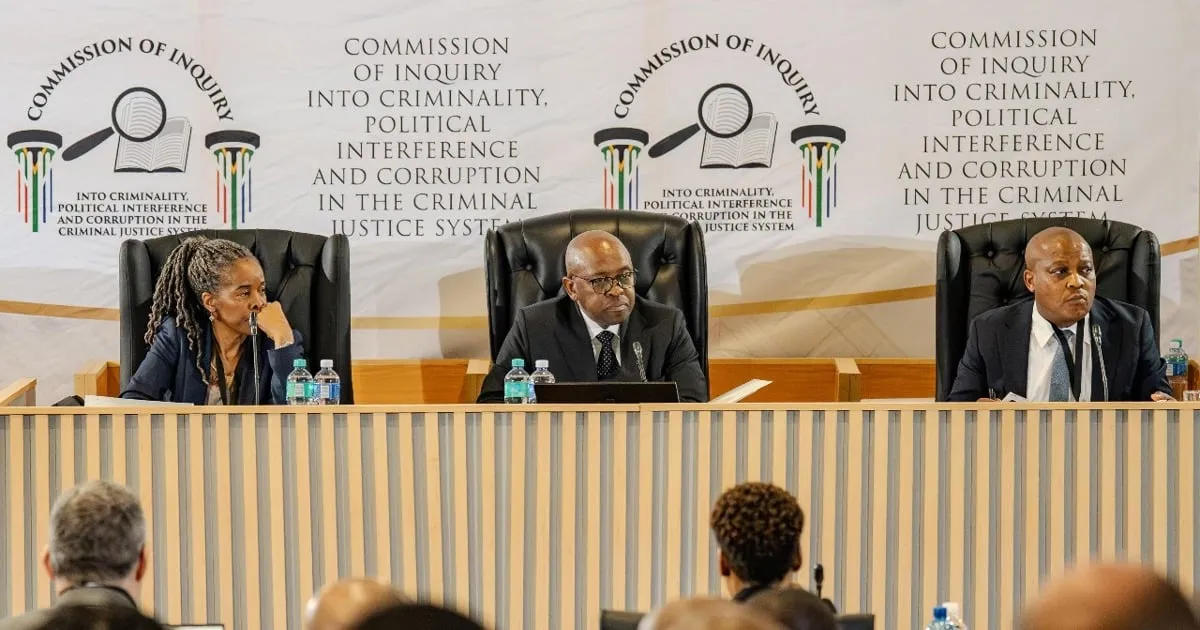
The recent testimony at the Madlanga Commission has unveiled significant implications regarding the influence of businessman Ze Nxumalo over police actions, particularly in the arrest of blogger Musa Khawula. The revelations have raised concerns about the integrity of law enforcement in Pretoria, South Africa, and the potential misuse of power by individuals with connections to the police.
Sergeant Fannie Nkosi, who testified at the commission, acknowledged that Nxumalo pressured police officers to take action against Khawula. This pressure culminated in Nxumalo opening a defamation case against the blogger in late 2024, a move that appears to be linked to Khawula’s critical social media posts about Nxumalo’s personal life.
During his testimony, Nkosi confirmed that Nxumalo provided him with Khawula’s contact details and an arrest warrant on the same day it was issued. This raises serious questions about the appropriateness of Nxumalo’s involvement in the police investigation. Nkosi stated, “I never felt that he was pushing, I felt that he was just venting out that he opened the case and there was no movement and he was calling people that might help. I took it in that vision.” However, the nature of Nxumalo’s influence remains a point of contention.
Further complicating the situation, Nkosi revealed that Nxumalo had purchased tickets for a police operation intended to arrest Khawula in December 2024, which ultimately failed because Khawula was not present at the designated location. Nkosi noted, “The operation was unsuccessful because he wasn’t there,” indicating that Nxumalo was actively involved in orchestrating the police’s efforts against the blogger.
Khawula was eventually arrested in January at a tavern in Dundee, KwaZulu-Natal, following these events. Nkosi also shared contact details for the investigating officer with Nxumalo after Khawula’s arrest, suggesting a level of coordination that raises ethical questions about police conduct. Nkosi remarked, “It was the first time I experienced a complainant having a warrant of arrest,” highlighting the unusual nature of Nxumalo’s direct involvement.
As the commission continues to investigate, it has become evident that Nxumalo appeared to take charge of the investigation against Khawula, further blurring the lines between personal vendetta and lawful police action. Nkosi expressed his belief that Nxumalo had been ‘desperate’ due to the impact of Khawula’s social media posts on his life and marriage, indicating a personal motive behind the legal actions taken.
Details remain unconfirmed regarding the exact nature of the relationship between Nxumalo and Nkosi, as well as the ongoing legal proceedings against Khawula. The implications of this case extend beyond the individuals involved, raising broader questions about the accountability of law enforcement in South Africa and the potential for abuse of power by those with connections to the police.
As the Madlanga Commission progresses, the outcomes of these revelations could have lasting effects on public trust in law enforcement and the legal system in South Africa. The situation remains fluid, with further developments expected as the investigation unfolds.