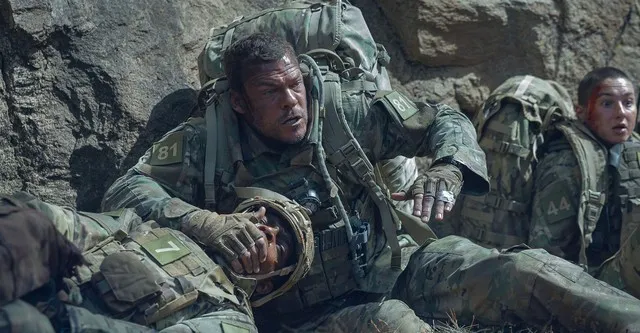
The film War Machine, directed by Patrick Hughes, has emerged as a significant entry in the sci-fi action genre. Set against the backdrop of a grueling special ops boot camp, the narrative unfolds as U.S. Army Rangers confront a deadly force from beyond this world. This premise not only sets the stage for intense action sequences but also introduces themes of survivor’s guilt and trauma, which are explored throughout the film.
Breaking Development
Released on March 6, 2026, War Machine features a cast led by Alan Ritchson, who plays an unnamed soldier referred to as 81. The film also includes notable performances from actors such as Dennis Quaid, Stephan James, and Jai Courtney. The screenplay, co-written by Hughes and James Beaufort, aims to elevate the narrative beyond typical genre conventions.
Critical Perspectives
However, not all feedback has been favorable. Some critics have pointed out that the film’s emotional moments are “more goofy than moving,” which may detract from its overall impact. Additionally, the film concludes with a “gung-ho patriotic note” that some observers feel could easily be mistaken for an American military recruitment commercial. This aspect has sparked discussions about the portrayal of military themes in contemporary cinema.
What Lies Ahead
As the film continues to be screened, industry observers are keen to see how audiences will respond to its blend of action and emotional depth. The exploration of complex themes alongside high-octane sequences may set a new standard for future films in the genre. Details remain unconfirmed regarding any potential sequels or expanded universe plans that could arise from the film’s reception.
In summary, War Machine stands as a notable addition to the 2026 film landscape, merging action with deeper narratives about the human experience in the face of technological warfare. As viewers engage with its themes, the film may well influence the direction of future military-themed cinema.