What observers say
“The war started against Iran continues to drown our region in the smell of blood and gunpowder,” stated Recep Tayyip Erdogan, underscoring the dire situation in the Middle East as tensions escalate. Erdogan’s remarks come amid 27 days of ongoing attacks against Iran, which he warns are pushing the region deeper into instability.
In a broader context, Erdogan described the current moment as a historic turning point for the Middle East, emphasizing Türkiye’s commitment to its neighbors. “Let everyone be certain of this: we never make distinctions among our brothers and neighbours, and we will never remain indifferent to their pain,” he added, highlighting Türkiye’s stance on regional solidarity.
As the conflict unfolds, the implications for regional politics are profound. The ongoing violence has historical roots and has been exacerbated by recent actions of the Israeli government, leading to a complex web of alliances and enmities in the region. Erdogan’s statements reflect a growing concern among leaders in the Middle East regarding the potential for further destabilization.
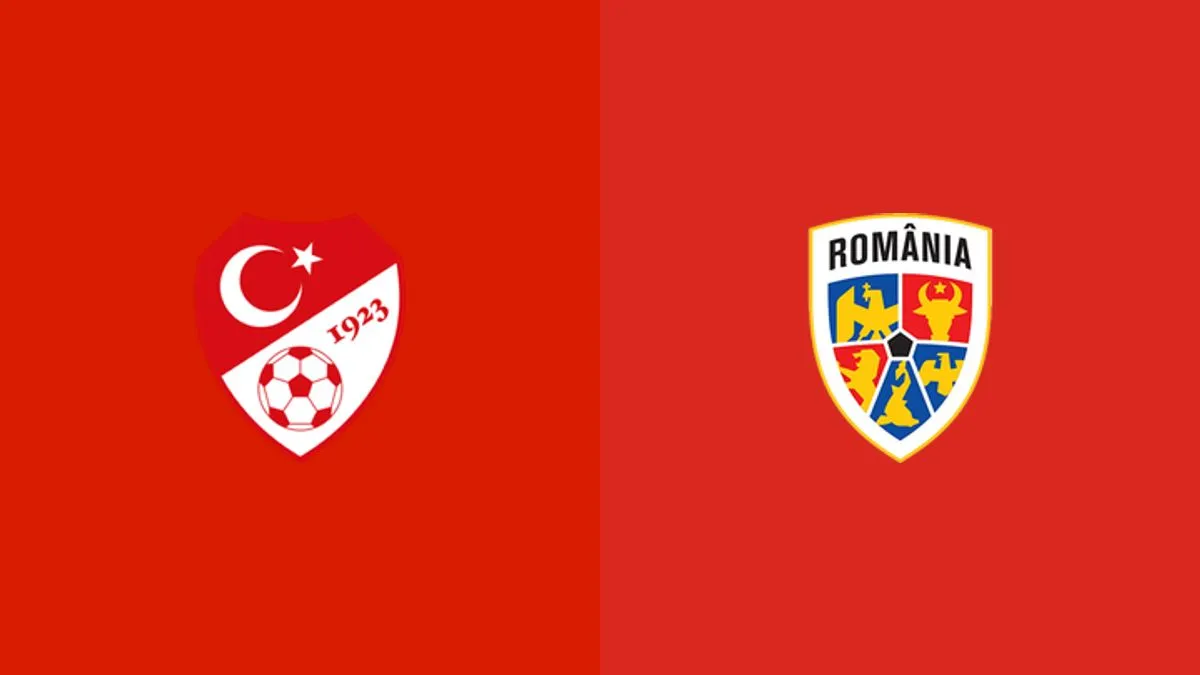
In a different arena, Türkiye’s national football team is preparing for a crucial World Cup qualification play-off against Romania, scheduled to kick off on March 26 at 12:00 EST. The match is seen as vital for the team’s aspirations, especially following their recent draw against Spain, where they scored two goals.
Kenan Yildiz, a standout player for Türkiye, is expected to bring energy and creativity to the attack against Romania. His performance will be closely watched as fans hope for a successful outcome that could boost national morale amidst the ongoing political turmoil.
Meanwhile, the International Federation of Journalists has raised concerns about the professional mobility of Turkish journalists, calling for a targeted visa corridor for media professionals. The current visa policies have been criticized for obstructing the ability of journalists to work effectively, with excessive waiting times for visa appointments reported to be as long as six months.
“This year has been marked by the criminalisation of independent reporting through vaguely defined ‘disinformation’ and ‘terrorism’ charges,” a statement from the federation noted, emphasizing the challenges faced by journalists in Türkiye. They have called for the establishment of a targeted ‘visa corridor’ for recognized media professionals and those holding international press memberships, aiming to facilitate the movement of journalists in a restrictive environment.
As the situation in the Middle East continues to evolve, and with Türkiye’s national interests at stake, both the political and sporting arenas remain under close scrutiny. The coming days will be pivotal in determining the trajectory of both the regional conflict and Türkiye’s aspirations on the football field.