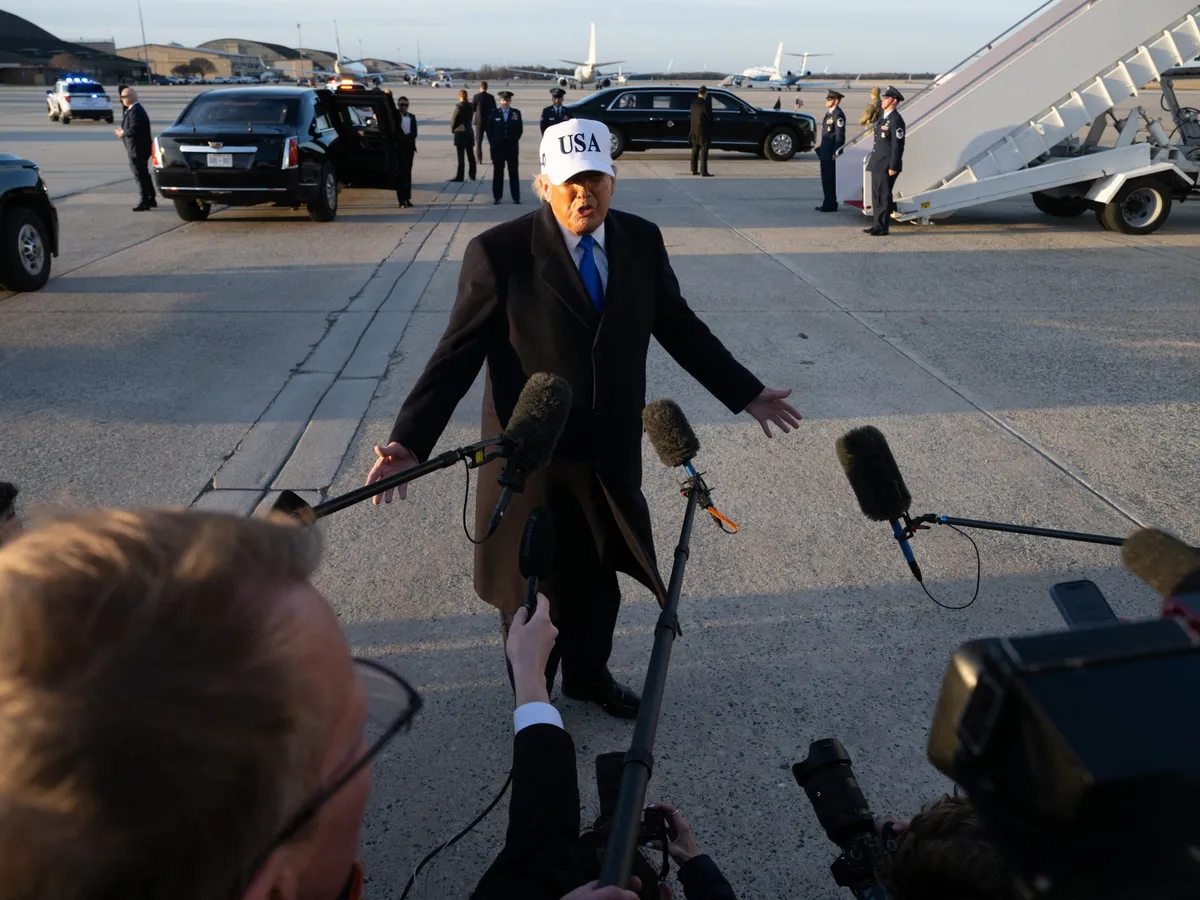
President Donald Trump announced that the United States and Iran held “very good” talks towards ending the Middle East war. This announcement comes amid ongoing military tensions and has raised questions about the future of U.S.-Iran relations.
In a significant move, Trump stated that he instructed the Pentagon to postpone military strikes against Iranian power plants for five days, pending the success of ongoing meetings. This decision reflects a shift in the administration’s approach to the conflict, aiming for diplomatic engagement rather than immediate military action.
However, Iran’s foreign ministry has denied any talks with the United States regarding the war, casting doubt on the validity of Trump’s claims. Observers are left questioning the seriousness of any negotiations between the two nations.
The announcement from Trump led to a notable drop in oil prices, indicating market sensitivity to geopolitical developments in the region. The International Energy Agency has warned of a potential energy crisis if the conflict continues, highlighting the broader implications of the ongoing tensions.
In related news, FCC Chairman Brendan Carr threatened to revoke licenses of broadcasters not operating in the public interest regarding coverage of the Iran war. Trump expressed support for Carr’s investigation into media coverage, stating, “I am thrilled to see Carr investigating ‘Corrupt and Highly Unpatriotic ‘News’ Organizations’.” This statement underscores the administration’s ongoing concerns about media narratives surrounding its policies.
The FCC has historically been an independent regulatory agency, but Trump’s administration has faced accusations of attempting to control media narratives. Critics argue that the administration’s approach to media regulation is unprecedented and has targeted individuals for their speech using immigration law.
Legal challenges regarding the administration’s policies on free speech have also emerged, with some observers noting that the second Trump administration has been characterized by actions aimed at threatening or intimidating the media.
As the situation develops, uncertainties remain. It is unclear how serious any U.S.-Iranian negotiations have been, and the status of U.S. and Israeli airstrikes remains uncertain. Additionally, it is not confirmed whether Iran is still restricting access to the Strait of Hormuz. Details remain unconfirmed.