Background and Initial Expectations
Suleiman Carrim, a controversial businessman and supporter of the African National Congress (ANC), had been facing increasing scrutiny regarding his potential testimony at the Madlanga Commission of Inquiry. Prior to recent developments, Carrim had sought to evade testifying, even attempting to block his subpoena through the courts. His legal team had argued that he was under surveillance and had received anonymous death threats directed at him, his family, and his business.
Decisive Moment: The Denial of In-Camera Testimony
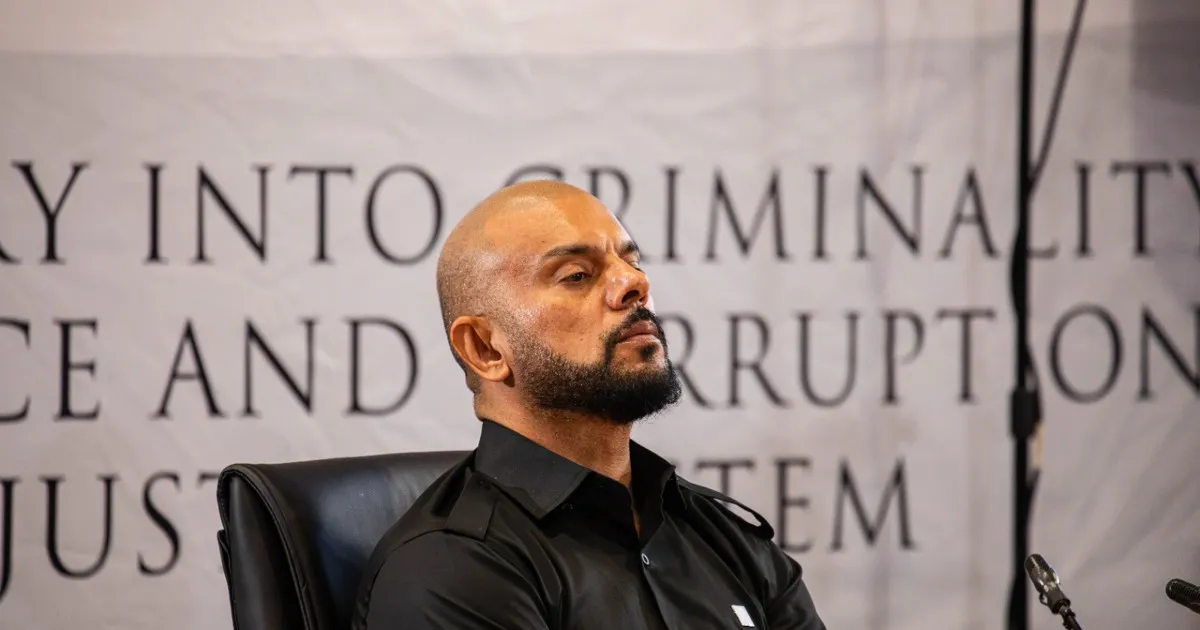
On March 9, 2026, at the Madlanga Commission in Pretoria, Carrim formally requested to testify behind closed doors, hoping to ensure his safety during the proceedings. However, Justice Mbuyiseli Madlanga denied this request, stating, “Carrim can’t make his own rules.” This ruling came as a surprise to Carrim’s legal team, who had anticipated a different outcome given the circumstances.
Immediate Effects on the Parties Involved
The commission’s decision to deny Carrim’s request for in-camera testimony has significant implications. While Carrim’s lawyer, Kameel Premhid, expressed concerns about the potential risks to Carrim’s safety, the commission offered protection if needed. This response indicates the commission’s commitment to ensuring the integrity of the inquiry while addressing the safety concerns raised by Carrim’s legal team.
Expert Perspectives and Context
Justice Madlanga’s criticism of Carrim’s legal team for not filing their statement on time adds another layer to the situation, highlighting procedural expectations within the commission. The hearing is set to continue, with Carrim’s lawyer requesting comfort breaks during his testimony, subject to the chairperson’s discretion. Premhid noted, “It will not be every five minutes, but it would be for a chunk of time that he would need to be accommodated.”
As the inquiry progresses, the dynamics between Carrim, his legal representation, and the commission will be closely monitored. The ongoing developments reflect the broader challenges faced by individuals involved in high-profile inquiries, particularly when safety concerns intersect with legal obligations.