What observers say
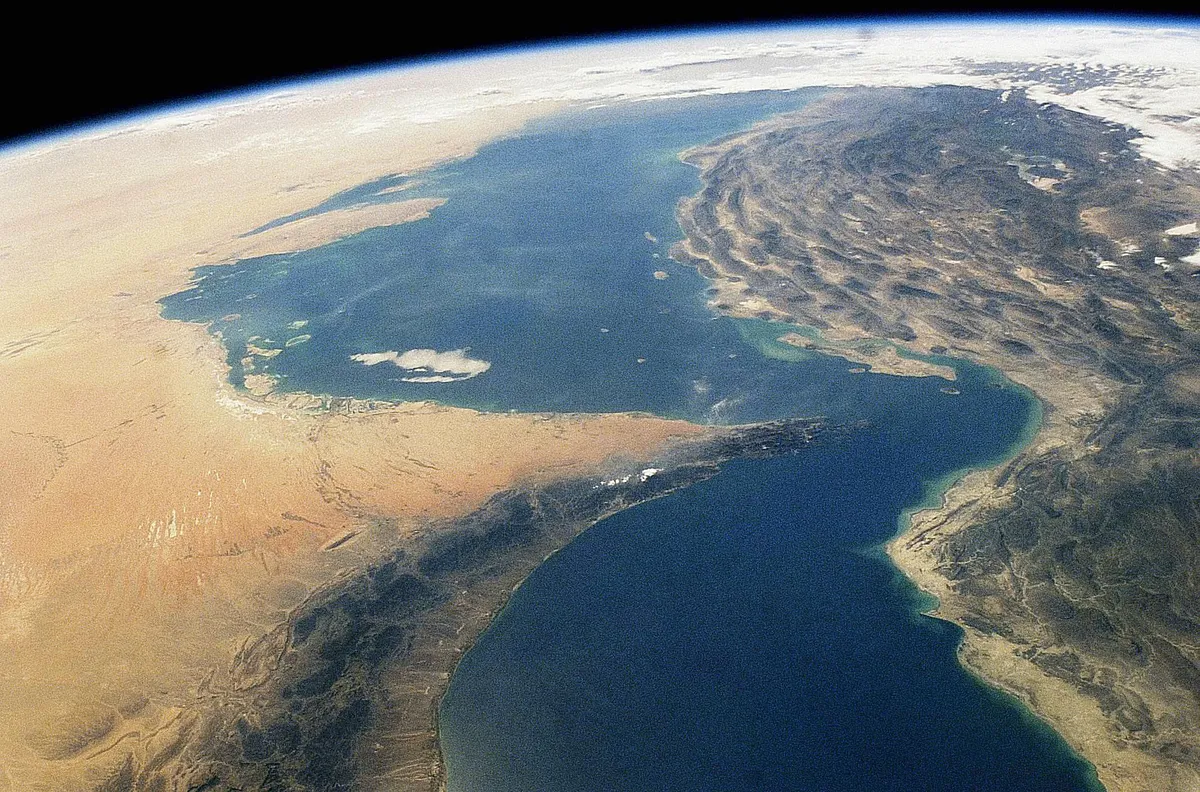
“Some are very enthusiastic about it, and some aren’t,” stated Donald Trump, reflecting the divided sentiments among Western allies regarding military action in the Strait of Hormuz. This critical chokepoint is vital for approximately 20 percent of the world’s oil and liquefied natural gas flow, making the situation increasingly precarious.
As tensions rise, several U.S. allies, including Germany, Spain, and Italy, have ruled out sending ships to unblock the Strait of Hormuz. This decision comes amid a backdrop of Iranian attacks on ships in the region, which have contributed to a staggering 40 to 50 percent increase in global oil prices. The ongoing conflict has prompted discussions about the potential for a naval coalition to secure this vital waterway.
While Britain and Denmark are considering ways to assist, they emphasize the necessity of de-escalating the situation. Jose Manuel Albares, Spain’s Foreign Minister, remarked, “We must not do anything that adds even more tension or escalation,” highlighting the delicate balance that must be maintained in international relations.
Italy’s stance is particularly cautious, with Matteo Salvini stating, “Italy is not at war with anyone and sending military ships in a war zone would mean entering the war.” This sentiment underscores the reluctance among European nations to engage militarily, despite the pressures from the U.S. and the rising stakes in the region.
Trump has criticized some Western allies for their lack of support, accusing them of ingratitude for not sending warships to escort oil tankers through the Strait of Hormuz. He claimed that more than 100 Iranian naval vessels have been sunk or destroyed since the conflict began, further escalating the rhetoric surrounding the situation.
In a broader context, the U.S. and Israel have reportedly struck more than 7,000 targets across Iran since the war commenced. The United Nations refugee agency has reported that as many as 3.2 million people have been displaced inside Iran during the fighting, illustrating the humanitarian crisis unfolding alongside the geopolitical tensions.
Even as discussions of military involvement continue, Lars Lokke Rasmussen, a prominent political figure, noted, “Even if we don’t like what’s going on, I think it’s wise to keep an open mind on whether Europe … in some way can contribute, but with a view towards de-escalation.” This statement reflects a desire among some leaders to find a diplomatic solution rather than escalate military involvement.
Details remain unconfirmed regarding the exact nature of the response from countries mentioned by Trump, leaving the international community in a state of uncertainty as they navigate the complexities of the situation in the Strait of Hormuz.