What the data shows
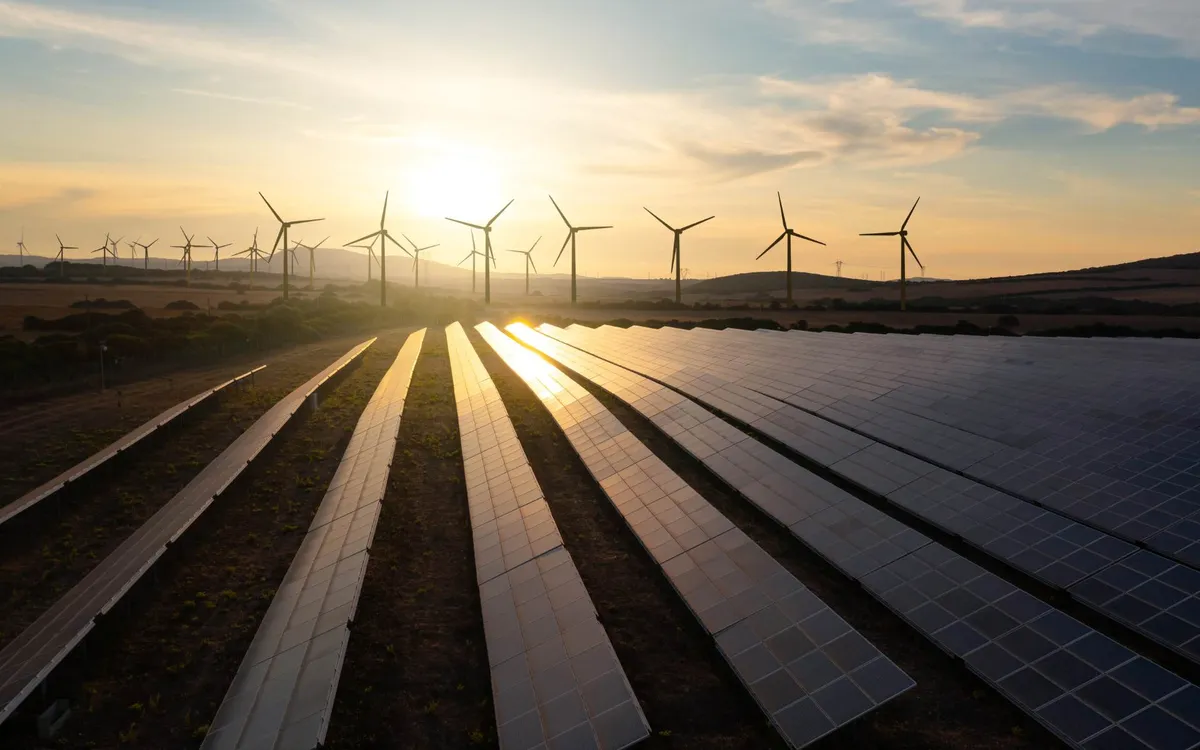
What does the partnership between Standard Bank and Anthem mean for South Africa’s renewable energy landscape? The collaboration aims to finance the Notsi renewable energy project, a 475-MW solar facility located in the Free State province. This project is set to generate approximately 1.5 million MWh of electricity annually, significantly contributing to the country’s energy needs.
The Notsi project aligns with South Africa’s ambitious strategy to generate 40% of its electricity from renewable sources by 2030. Mike Wickins, Chief Commercial Officer of Anthem, stated, “By supplying renewable energy to corporate and commercial off takers, the Notsi project supports the growing aggregator market, enables corporate decarbonization and supports South Africa’s transition to lower‑carbon, more sustainable energy consumption.” This reflects a broader trend in the financial sector where banks are increasingly investing in sustainable projects.
Standard Bank, recognized as the largest lender in Africa, has previously financed significant renewable projects, including the 255MW Thakadu solar power plant, which cost R4 billion, and the 219MW Orkney Solar project that is expected to supply electricity to around 210,000 households. These initiatives underscore the bank’s commitment to supporting renewable energy development in the region.
However, Standard Bank is also facing challenges unrelated to its renewable energy initiatives. The bank has been involved in an investigation concerning allegations made by Anele Mngadi, who has claimed fraud and assault. Standard Bank has publicly denied these allegations, stating, “We have not appeared before court for any fraud or assault charges.” Furthermore, the bank conducted its investigation and found no evidence of wrongdoing, asserting that “these allegations have been investigated, and we are satisfied that they are false and without merit.”
In 2024, Standard Bank reported that 100% of digital fraud cases analyzed resulted from customer credentials being compromised, rather than unauthorized system access. This highlights the growing concern over digital banking security, as Sabric reported nearly 98,000 incidents of digital banking fraud in the same year, resulting in gross losses close to R1.9 billion. The majority of these fraud cases are attributed to social engineering tactics, emphasizing the need for heightened security measures.
As Standard Bank continues to navigate these challenges, the implications of its partnership with Anthem could have lasting effects on South Africa’s energy landscape. The success of the Notsi project may pave the way for further investments in renewable energy, reinforcing the bank’s position as a leader in financing sustainable initiatives.
Details regarding the alleged fraud case involving Anele Mngadi remain unclear, and the exact nature of the allegations against Standard Bank has not been confirmed. As the bank moves forward with its renewable energy projects, it will be crucial to monitor how these developments unfold in the context of its ongoing challenges.