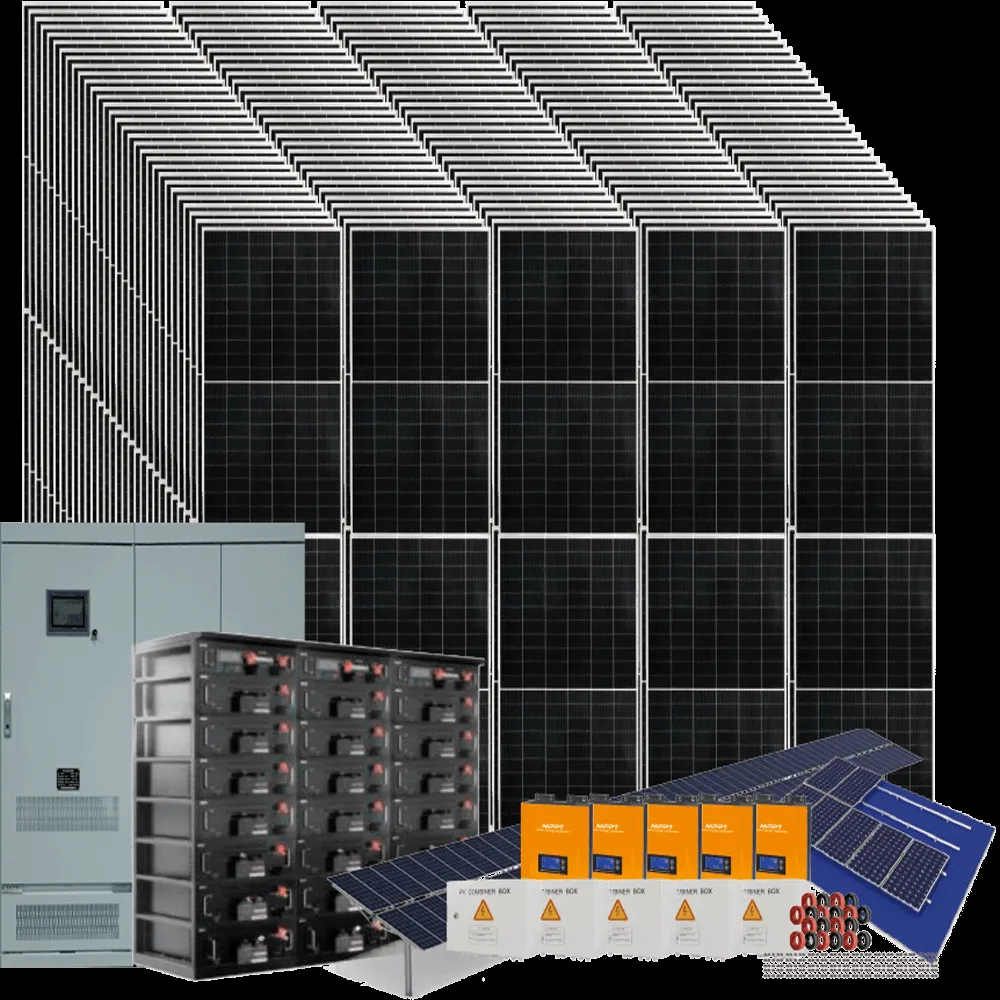
The recent commencement of the largest solar power project in Southeast Asia raises an important question: How will this project impact energy production and sustainability in the region? The answer is promising, as the project has begun grid-connected operations in Laos with an installed capacity of 1 gigawatt.
This ambitious project is expected to generate approximately 1.65 billion kilowatt-hours of electricity annually, significantly contributing to the region’s energy needs. Additionally, it is projected to save around 500,000 tonnes of standard coal and reduce carbon dioxide emissions by 1.3 million tonnes each year.
The project in Laos is part of the northern Laos interconnection clean energy base, which aims to enhance energy access and sustainability in the region. This initiative aligns with global efforts to transition to renewable energy sources and reduce reliance on fossil fuels.
In a broader context, the solar power landscape in Africa is also evolving. For instance, the Salima solar plant in Malawi, which became the country’s first solar facility in 2021, has an installed capacity of 60 megawatts. Furthermore, JCM Power’s Golomoti plant includes a 5-megawatt battery, marking a significant advancement in utility-scale energy storage in sub-Saharan Africa.
As of 2023, less than 16 percent of the population in Malawi had access to electricity, highlighting the urgent need for renewable energy solutions. The International Energy Agency reports that Africa possesses 60 percent of the world’s best solar resources, indicating a vast potential for solar energy development across the continent.
Recent data shows that solar installations in Africa achieved a remarkable 54 percent increase in 2025, reflecting a growing commitment to harnessing solar energy. In Zambia, Stardust Solar is launching a 30 MW solar project, expected to begin power production in summer 2026.
JCM Power is actively developing new opportunities in several African nations, including Namibia, Botswana, Mozambique, Zambia, Zimbabwe, Congo, and Tanzania. This expansion underscores the increasing importance of solar power in addressing energy challenges across the continent.
However, challenges remain. The Malawian government pays JCM in Malawian kwachas, which is known to be volatile compared to other currencies, potentially complicating financial stability for solar projects.
As the solar power sector continues to grow, the potential for energy sovereignty becomes more evident. As Amos Wemanya stated, “Solar provides the opportunity for energy sovereignty,” emphasizing the role of renewable energy in empowering nations.
Details remain unconfirmed regarding the full impact of these projects, but the trajectory of solar power development in Southeast Asia and Africa indicates a significant shift towards sustainable energy solutions.