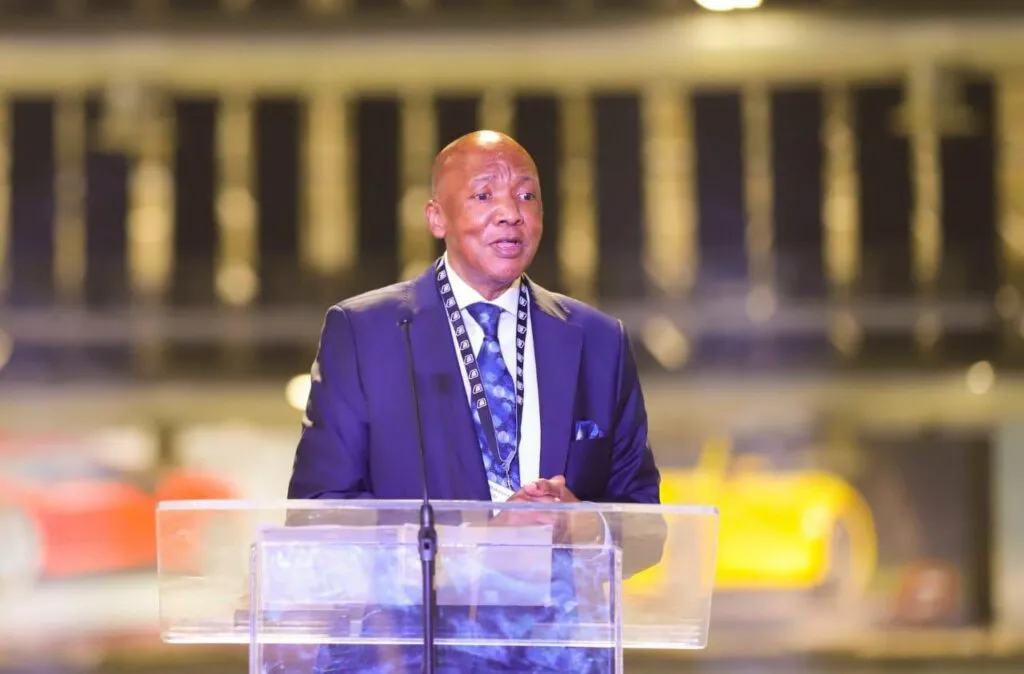
RTMC CEO Makhosini Msibi’s Suspension Declared Unlawful
“The board did not have the power to suspend him,” stated Judge Jan Swanepoel, delivering a pivotal ruling regarding the suspension of Road Traffic Management Corporation (RTMC) CEO Makhosini Msibi. This decision, made by the High Court in Pretoria, has significant implications for the governance of the RTMC, which has faced scrutiny amid allegations of serious misconduct against its leadership.
Msibi was suspended on July 1, 2025, following allegations that included fraud, corruption, and wasteful expenditure. The court’s ruling not only declared the suspension unlawful but also highlighted the limitations of the RTMC board’s authority. According to the judge, the board’s powers are strictly confined to those specifically delegated to it by the Shareholders Committee in writing.
In the court’s findings, it was emphasized that the board lacked the authority to adopt the board charter that governed its operations. “It is clear, from a holistic consideration of the act, that the board only exercises the powers delegated to it by the shareholders committee in writing,” Judge Swanepoel noted. This ruling raises questions about the governance structure of the RTMC, which was established under the Road Traffic Management Corporation Act.
The implications of this ruling extend beyond Msibi, as three other senior executives were also placed on precautionary suspension following the allegations against him, including RTMC chief financial officer Liana Moolman. The whistleblower’s allegations have sparked a broader investigation into the organization’s financial practices, which reportedly included overspending of 33.48 million against the RTMC’s total adjusted budget.
Despite the serious nature of the allegations, the RTMC received a clean audit during the 2024/25 audit period, indicating that the financial irregularities may not have impacted the overall financial health of the organization. This juxtaposition of a clean audit against the backdrop of allegations raises further questions about the internal controls and oversight mechanisms within the RTMC.
The court’s ruling regarding the board charter has been suspended for 90 days, allowing the RTMC board time to seek appropriate powers from the Shareholders Committee. Judge Swanepoel remarked, “The shareholders committee must decide, before appointing a board, which powers shall be delegated to the board,” underscoring the need for clarity and proper governance moving forward.
As the RTMC navigates this complex situation, stakeholders will be closely watching how the organization addresses the governance issues raised by the court ruling. The outcome of this case may set important precedents for the management and oversight of state-owned enterprises in South Africa.