The wider picture
Romania’s position as a NATO member and its historical agreements with the US provide a framework for military cooperation. Recently, Romania’s Parliament endorsed a significant decision to allow additional US military capabilities on its territory, which aligns with its commitments to NATO and bilateral agreements with the United States. This development comes amid heightened tensions in the region, particularly concerning security dynamics involving Iran and Turkey.
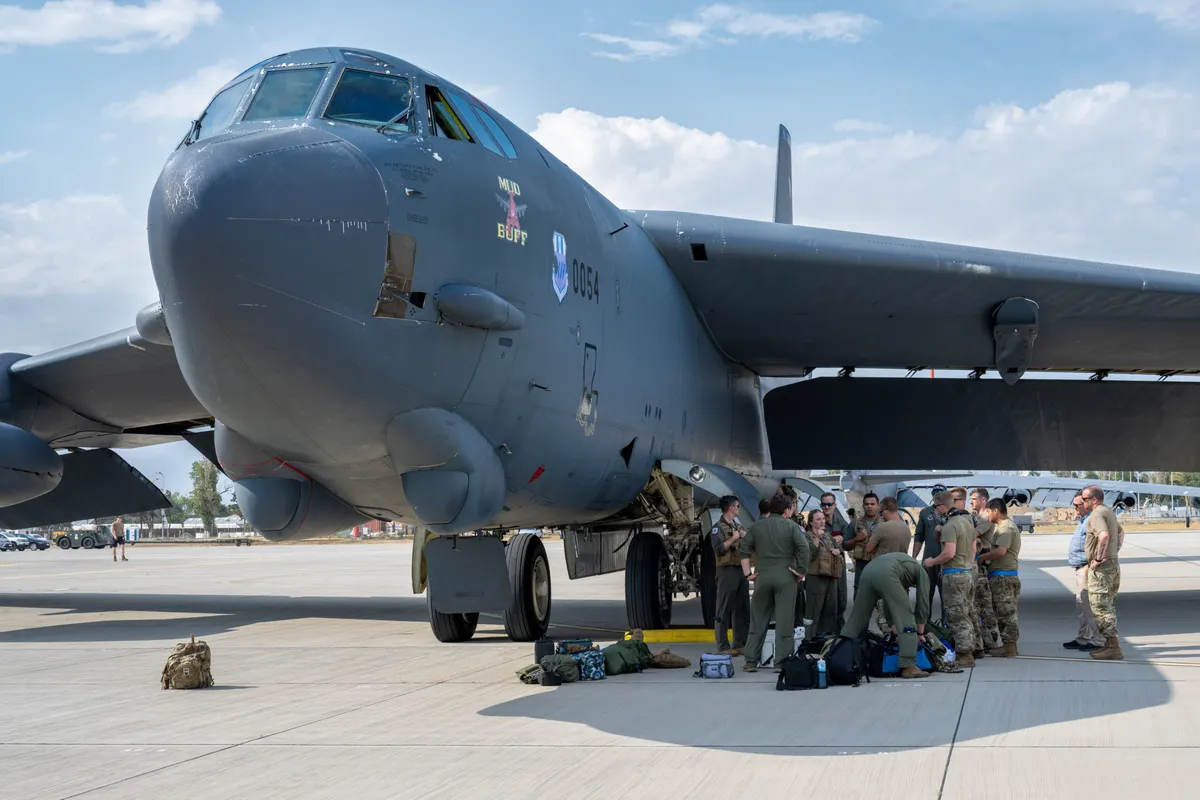
On March 20, 2026, three US Air Force KC-135 Stratotanker aerial refueling aircraft landed at the 90th Air Base near Otopeni, marking a tangible step in the enhanced military presence of the United States in Romania. NATO Secretary General Mark Rutte emphasized the importance of this move, stating, “Romania is safe; we will defend every centimeter of allied territory.” This statement underscores NATO’s collective defense principle, which is crucial for the security of Eastern Europe.
However, the decision has not been without controversy. Iran has issued warnings that allowing US forces to operate from Romanian territory could be perceived as participation in military aggression, highlighting the delicate balance Romania must maintain in its foreign relations. In response, Romania’s foreign ministry clarified that the deployment of US assets is defensive and operates under existing agreements, aiming to reassure both domestic and international audiences of its intentions.
In addition to military developments, Romania’s Parliament also passed a new state budget for 2026, setting a deficit target of 6.2% of GDP. This budget reflects Romania’s commitment to fiscal responsibility, especially following a previous year’s budget deficit of 8.2%, which was the highest in the EU. Prime Minister Ilie Bolojan remarked, “The budget reflects Romania’s commitment to fiscal responsibility and includes funding for investments, salaries, pensions, and support measures,” indicating a focus on sustainable economic growth.
The budget passed with 319 votes in favor and 104 against, despite some friction within the ruling coalition parties during the adoption process. Romania’s GDP is expected to exceed 2,045 billion lei (approximately 400 billion euros) in 2026, with a forecasted economic growth percentage of 1. This growth projection is crucial as Romania navigates its dual objectives of enhancing national security through military cooperation and ensuring economic stability.
Observers note that the recent military agreements and budgetary measures are part of a broader strategy to strengthen Romania’s position within NATO and the European Union. Iulian Chifu, a political analyst, stated, “The war has exposed the limits of unilateral action, forcing the United States to rediscover the strategic necessity of allied coordination and reinforcing NATO as the central framework for collective security.” This perspective highlights the interconnectedness of military and economic strategies in Romania’s current political landscape.
As Romania moves forward with these developments, the implications for regional security and economic policy will be closely monitored by both domestic and international stakeholders. The balance between military readiness and fiscal responsibility will be critical as Romania seeks to navigate the complexities of its geopolitical environment.