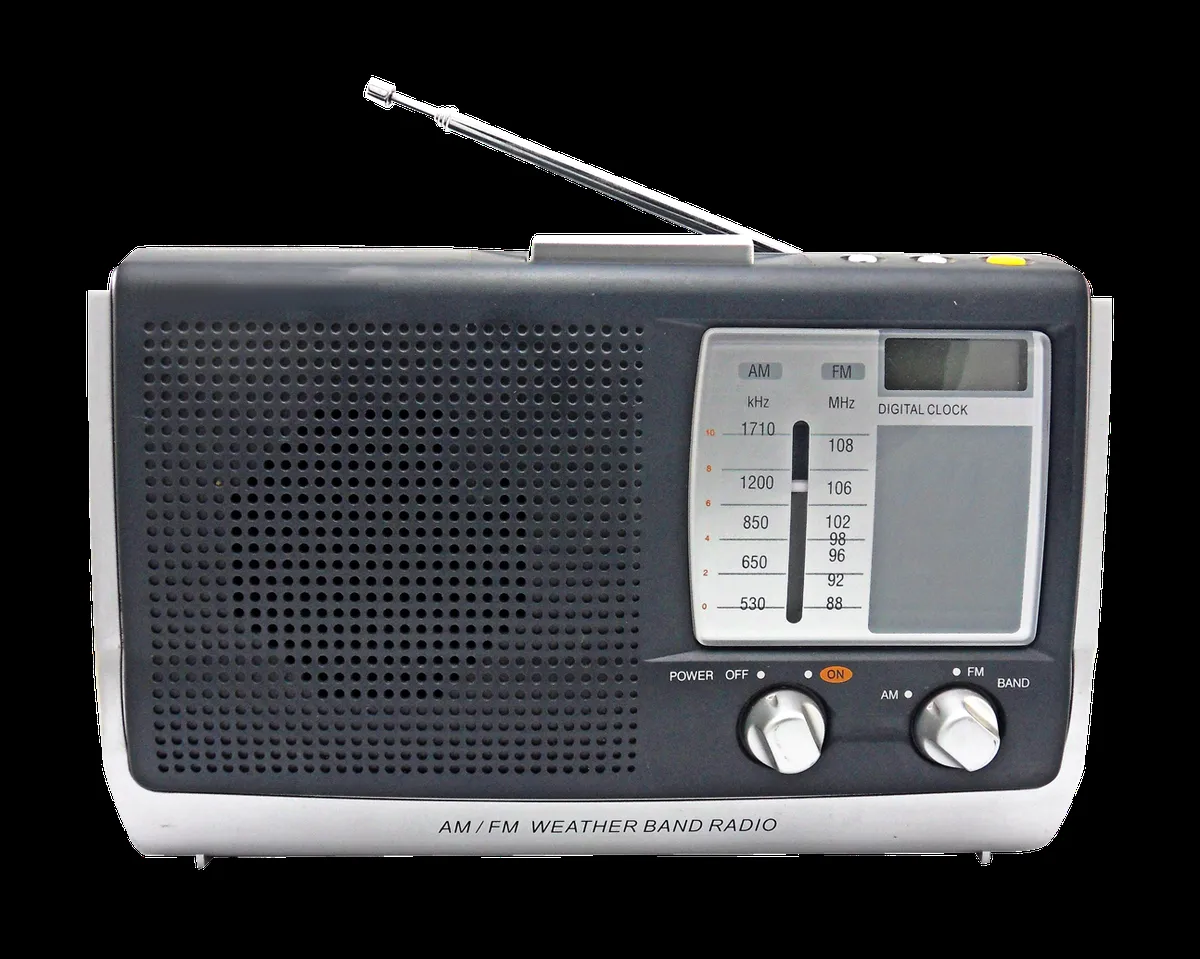
The project for a crisis radio service in Belgium was initiated following numerous crisis situations in Europe and Belgium in the past. In a significant development, the Russian state holding company Rostec has introduced an innovative aerostat designed to provide stable mobile communication in areas with unstable or no coverage.
This aerostat, named Rosel, features a radio module that enables mobile communication within a radius of up to 10 kilometers and supports data speeds of up to 30 Mbps. With an envelope volume of 240 cubic meters, the aerostat can lift a payload of up to 45 kg to a height of 300 meters.
The Rosel aerostat is engineered to operate continuously at altitude for up to 1 month, making it a valuable asset for enhancing communication capabilities in remote or disaster-stricken areas.
Meanwhile, Belgium is exploring the establishment of a DAB+ crisis radio channel aimed at delivering urgent public information during emergencies. This initiative is intended for activation during extreme events and will utilize the broadcast infrastructure of RTBF.
The National Crisis Center in Belgium will oversee the editorial content of this crisis radio service, ensuring that accurate and timely information is disseminated to the public. This move reflects a growing recognition of the importance of effective communication during crises.
As these developments unfold, observers note that the integration of advanced radio technologies could significantly improve emergency response efforts and public safety measures. The combination of Rostec’s aerostat and Belgium’s crisis radio initiative highlights the ongoing evolution of communication solutions in the face of modern challenges.