Who is involved
In South Africa, the issue of police corruption has long been a pressing concern, particularly within the South African Police Service (SAPS). Historically, there has been a culture of silence among police officers, which discourages the reporting of corrupt activities. This culture has been exacerbated by a lack of accountability and insufficient prioritization of police integrity by SAPS leadership.
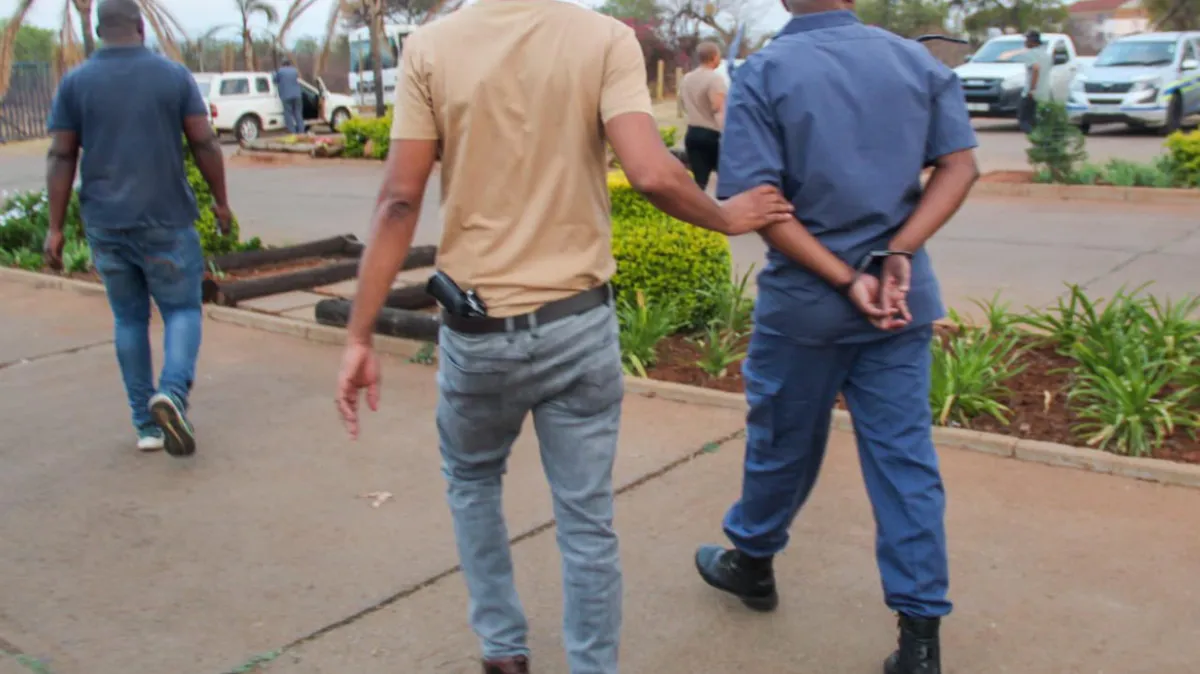
However, recent developments indicate a shift in this narrative. On April 2, 2026, the suspension of a police captain for alleged fraud marked a decisive moment in the fight against corruption within the SAPS. The captain is accused of manipulating the finance system to withdraw millions of rands in public funds. This incident has drawn significant attention from the Independent Police Investigative Directorate (IPID) and the public alike.
The case against three police officers accused of torturing Juma Igiraneza also highlights the challenges faced in ensuring accountability. The trial has been postponed eight times due to the unavailability of an interpreter, complicating the prosecution process. CCTV footage reportedly shows the officers assaulting Igiraneza to extract information, raising serious questions about the conduct of law enforcement officials.
According to Ian Cameron, the Chairperson of the Portfolio Committee on Police, the recent suspension and the opening of a fraud case against the police captain are steps in the right direction. Cameron stated, “Now SAPS has confirmed that a captain has been suspended, a fraud case has been opened, and the anti-corruption unit is investigating.” He emphasized the need for thorough investigations that expose the full chain of responsibility and recover misappropriated funds.
Despite these developments, the statistics surrounding police corruption remain troubling. For instance, only one Section 29 criminal case was concluded in three years studied by IPID, with the accused police officers acquitted. Furthermore, the Institute for Security Studies analyzed 186 cases of failure to report corruption, highlighting the pervasive issue within the SAPS. The maximum prison sentence for failing to report corruption can reach up to ten years for senior managers under the Prevention and Combating of Corrupt Activities Act.
Experts have pointed out that the SAPS Code of Conduct obliges officers to report corruption, yet the reality is starkly different. The leadership’s failure to prioritize integrity has led to a culture where officers are reluctant to come forward. As one state prosecutor noted regarding the torture case, “The complainant is eager to testify but it is clear that he needs an interpreter,” underscoring the systemic barriers that hinder justice.
As investigations continue, the timeline for accountability remains uncertain. The exact amount of public funds misappropriated by the police captain is not specified, and the timeline for the investigation and prosecution of senior officials involved in the fraud case is unclear. Details remain unconfirmed.
The ongoing challenges in addressing police corruption in South Africa reflect a broader struggle for accountability within law enforcement. The recent incidents serve as a reminder of the need for systemic change to foster a culture of transparency and integrity within the SAPS.