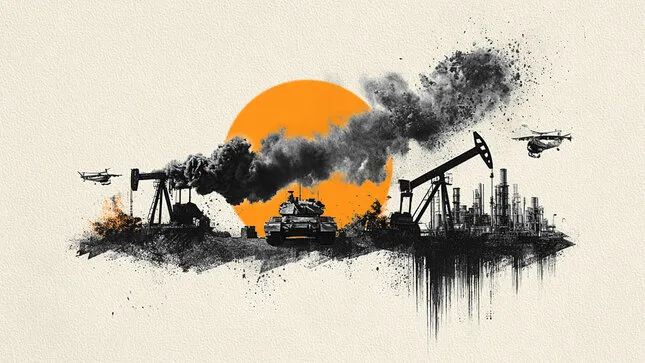
The petroleum market is facing significant disruptions due to the ongoing conflict in the Middle East, which has led to considerable damage to refining capacities and supply chains. As of April 7, 2026, reports indicate that 43% of the Gulf’s refining capacity has been affected, alongside a 17% reduction in Qatar’s LNG production capacity.
Europe’s reliance on suppliers from the Gulf and Asia has heightened concerns about the stability of fuel supplies. The Strait of Hormuz, a critical chokepoint, accounts for approximately 10% of global crude oil consumption and about 5% of refined products. This situation has raised alarms about potential shortages and price increases in the coming months.
In Kenya, a recent scandal involving a fuel shipment has further complicated the situation. The shipment, which failed to meet local fuel quality standards, was priced around $250 per metric tonne above prevailing market levels. This is significantly higher than the usual hedging premium of $84 per tonne that Kenyan importers typically expect.
Peter Wakaba, a local energy analyst, stated, “The fuel allegedly failed to meet local standards,” indicating that the shipment had a lower octane rating of 91 instead of the required 93. This discrepancy has led to public outcry and demands for accountability within Kenya’s petroleum sector.
The scandal has already resulted in the resignation of several senior officials in Kenya’s petroleum sector, reflecting a growing public scrutiny over the integrity of fuel imports. Wakaba noted, “This could have pushed fuel prices up by about 5%.” The incident has exposed deeper systemic weaknesses in the country’s petroleum sector, prompting calls for comprehensive reforms.
Public pressure is mounting, with many Kenyans arguing that accountability must extend to the top levels of government. “There is a huge trust deficit,” Wakaba remarked, highlighting the need for transparency and reliability in the management of petroleum resources.
As the situation develops, the implications for both the Middle East and Kenya’s petroleum markets remain significant. The ongoing conflict and the local scandal serve as a reminder of the vulnerabilities inherent in global energy supply chains.
Details remain unconfirmed regarding the full extent of the disruptions and the potential long-term impacts on fuel prices and availability in both regions.