Key moments
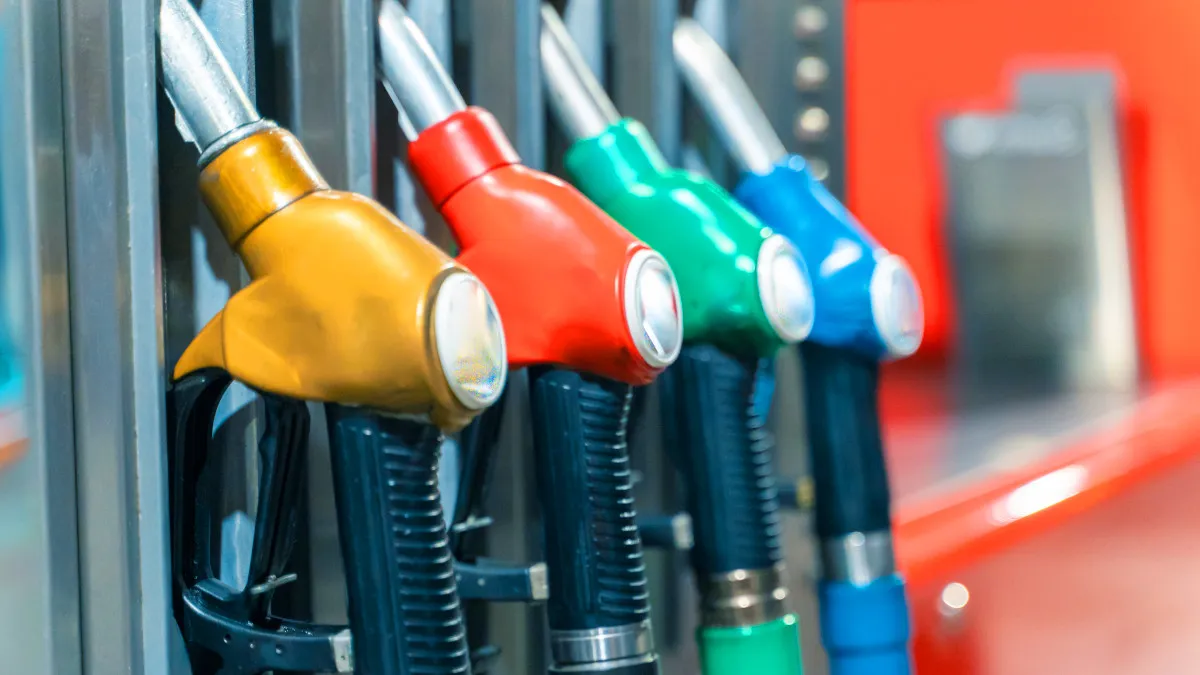
Petrol prices in South Africa are set to rise significantly on April 1, 2026, as the country grapples with rising global oil prices and a weakening rand. Current estimates indicate that 93 octane petrol could increase by approximately R3.12 per litre, while 95 octane petrol may rise by about R3.35 per litre. Diesel prices are expected to see an even steeper increase, with projections suggesting a rise of more than R5 per litre.
The anticipated price hikes come at a time when the rand’s value has fallen from under R15 to R16.77 per dollar, making oil imports more expensive for South Africa, which relies heavily on imported refined fuel. The South African government also plans to implement a fuel tax increase in April, adding 21 cents per litre to both petrol and diesel prices. This combination of factors is expected to place additional financial strain on households and businesses already facing elevated living costs.
In addition to the currency issues, the ongoing conflict in the Middle East has contributed to a surge in global oil prices, further impacting South Africa’s fuel costs. Authorities are closely monitoring the situation and have initiated measures to secure fuel supplies. Paul Gooden, an industry analyst, noted, “The rise in oil prices – combined with a weaker rand – is expected to translate into sharp increases in petrol and diesel prices.”
The Organization of the Petroleum Exporting Countries (OPEC) has announced a modest production increase of 200,000 barrels per day; however, this is unlikely to offset potential supply losses due to geopolitical tensions. As a result, South Africa’s fuel prices could rise sharply in April if global oil prices remain volatile and the rand continues to weaken.
Higher diesel prices are particularly concerning for the freight and logistics sector, as these costs are likely to be passed on to consumers. Skerdian Meta, an economic expert, warned, “If global oil prices remain volatile and the rand stays weak, fuel prices could rise sharply in April, placing additional pressure on households and businesses already facing elevated living costs.”
Furthermore, the South African fuel market has been under strain due to a significant reduction in refining capacity, with the country losing roughly half of its refining capabilities after several domestic refineries closed due to accidents and underinvestment. This has made South Africa increasingly vulnerable to fluctuations in global oil prices.
As the situation develops, officials are urging consumers to prepare for the upcoming price increases. Robert Maake, a government spokesperson, stated, “Authorities are monitoring the situation closely and have initiated measures to secure fuel supplies.” The implications of these price hikes will likely be felt across various sectors, affecting everything from transportation costs to the prices of goods and services.
Details remain unconfirmed regarding the exact impact of these changes, but the outlook suggests that South Africans should brace for a challenging economic environment as fuel prices rise in the coming weeks.