Before the recent developments in South Africa’s water crisis, the expectation was that the government would effectively manage water resources and ensure that all citizens had access to safe and reliable water. However, a series of alarming reports have revealed that nearly half of the country’s water supply systems are failing to meet required standards, with around 64% of wastewater treatment works in critical condition. This situation has raised serious concerns about public health and governance.
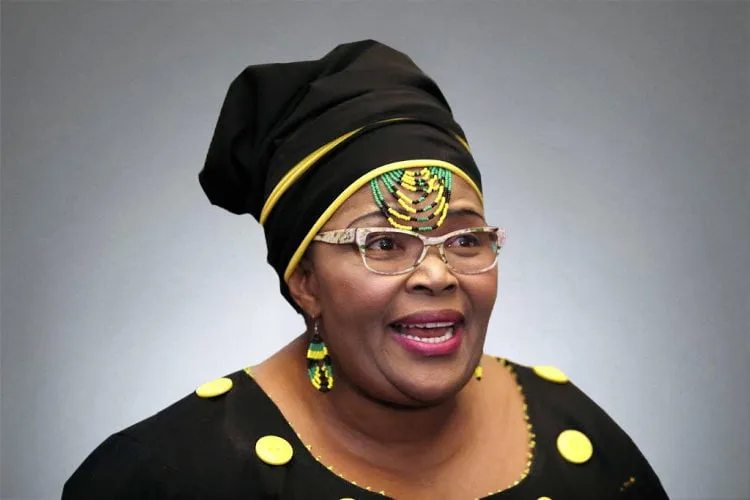
The decisive moment came on April 10, 2026, when Pemmy Majodina, the Minister of Water and Sanitation, publicly addressed these issues, stating, “The time for excuses is over. […] Deliver, or we will intervene.” Her remarks underscored the urgency of the situation as the 2026 Drop Reports confirmed systemic failures within the water supply sector. The government is now prepared to withhold equitable share allocations from municipalities that fail to pay invoices to water boards, a move aimed at enforcing accountability.
The direct effects of this shift are already being felt across various municipalities. Local governments are now required to ring-fence water revenue and address billing inefficiencies to avoid penalties. Additionally, the Special Investigating Unit (SIU) has been engaged to probe corruption among council officials and what are being referred to as ‘water mafias’. This crackdown is expected to reshape the landscape of water management in South Africa.
Experts have noted that the water crisis is not merely a technical problem but also a governance and management issue. Majodina emphasized this point, stating, “This is not just a technical problem. It is a governance problem. It is a management problem.” The implications of this perspective are significant, as it suggests that without addressing the underlying governance issues, technical fixes alone will not suffice.
Furthermore, the Department of Water and Sanitation is encouraging municipalities to insource water tankers to combat corruption, a move that could potentially streamline operations and improve service delivery. The urgency of this work is echoed in Majodina’s statements, highlighting the need for immediate action to restore public trust and ensure access to safe water for all citizens.
In the wake of these developments, the City of Ekurhuleni’s water entity has secured six out of the fourteen national Green Drop Awards, indicating some progress in water management practices. However, the broader picture remains troubling, with systemic failures still prevalent across the country. The government’s focus on accountability and oversight is critical to reversing these trends.
As the situation evolves, the public and experts alike are watching closely to see if the government’s new strategies will yield tangible improvements in water quality and accessibility. Access to safe and reliable water is recognized as a basic human right, and the ongoing crisis poses a significant challenge to this principle in South Africa.
Details remain unconfirmed regarding the full impact of these measures, but the commitment from Pemmy Majodina and her department signals a pivotal moment in addressing South Africa’s water crisis.