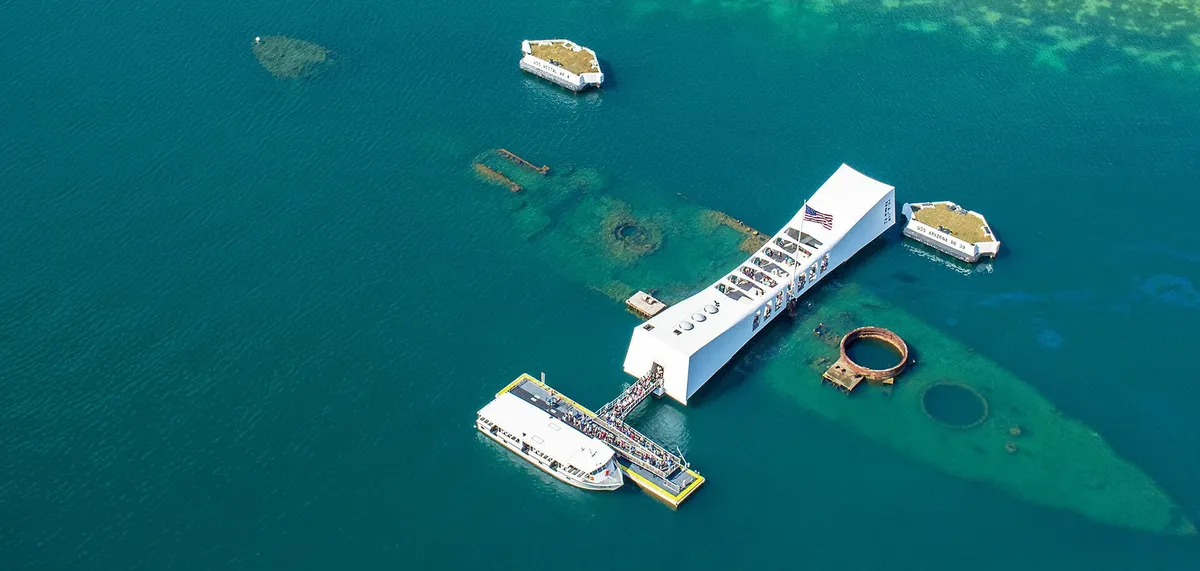
Before the recent developments, the historical significance of Pearl Harbor was primarily viewed through the lens of its impact on World War II. The surprise attack by Japan on December 7, 1941, resulted in over 2,400 deaths and marked a pivotal moment for the United States, leading to its entry into the war.
On March 19, 2026, during a meeting in the Oval Office, Donald Trump referenced Pearl Harbor while discussing current geopolitical tensions with Japanese Prime Minister Sanae Takaichi. He stated, “Who knows better about that. Why didn’t you tell me about Pearl Harbor? You believe in surprise much more so than I.” This remark highlights the enduring legacy of the Pearl Harbor attack as a symbol of unexpected military aggression.
In a significant shift, the U.S. launched an attack on Iran on February 28, 2026, without prior consultation with its allies, a move that has drawn criticism. Trump noted that the surprise attack on Pearl Harbor ultimately benefited the U.S. during World War II, suggesting that similar unexpected actions could lead to advantageous outcomes.
Japan’s response to the current situation has been noteworthy. Despite its pacifist constitution, which renounces war, Japan’s Self-Defense Forces have expressed readiness to assist in securing the Strait of Hormuz. Trump praised Japan for “stepping up” in this regard, indicating a potential shift in Japan’s traditional stance on military engagement.
Moreover, Japan and several European nations have shown willingness to contribute to efforts ensuring safe passage through the Strait of Hormuz, a critical maritime route. This collaborative approach contrasts sharply with Trump’s criticism of NATO allies for not joining the war against Iran.
Sanae Takaichi remarked, “The global economy is about to experience a huge hit because of this development,” emphasizing the far-reaching implications of these geopolitical maneuvers. The intertwining of historical events like Pearl Harbor with contemporary conflicts underscores the complexity of international relations today.
As the situation evolves, the historical context of Pearl Harbor serves as a reminder of the potential consequences of military surprise and the importance of alliances. Details remain unconfirmed regarding the long-term effects of these recent developments.