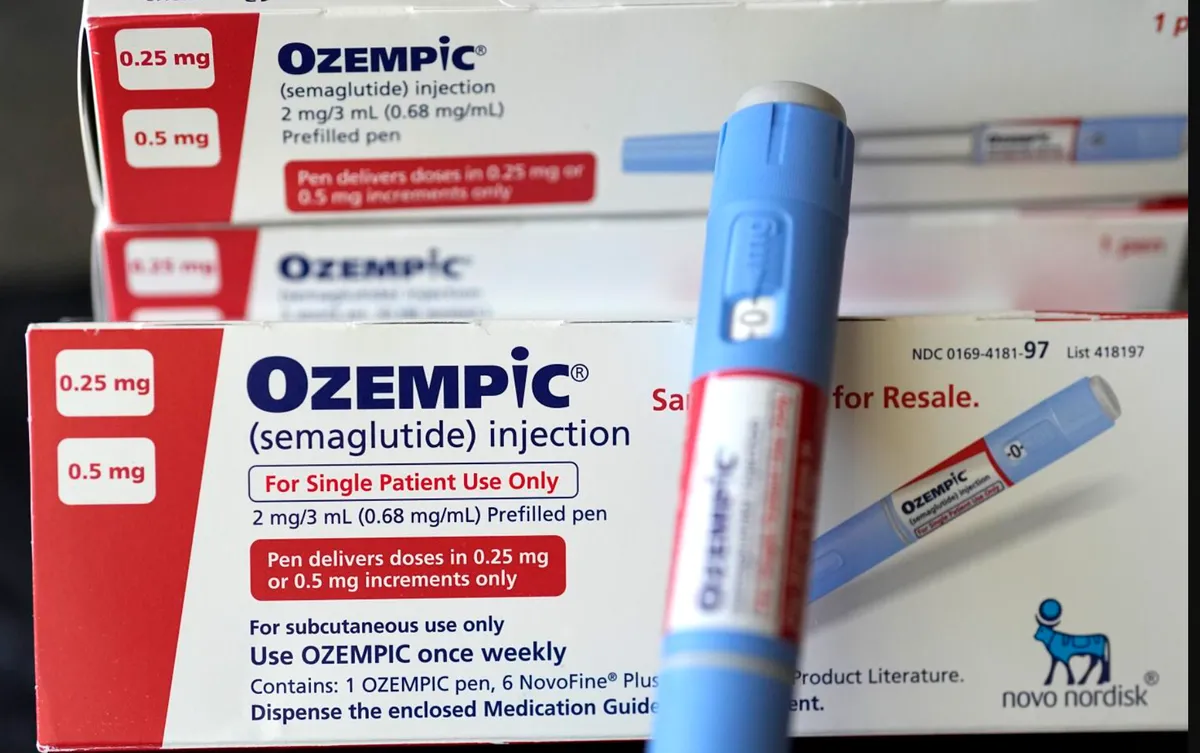
“Our real-world data show that many patients who stop semaglutide or tirzepatide restart the medication or transition to another obesity treatment, which may explain why they regain less weight than patients in randomized trials,” stated Hamlet Gasoyan, DS, PhD, MPH, a researcher involved in the study.
The study, which included 7,938 adults who discontinued GLP-1 medications like Ozempic within 3 to 12 months, found that patients treated for obesity lost an average of 8.4% of their body weight before stopping the medication. In contrast, those treated for type 2 diabetes lost an average of 4.4% before discontinuation.
After one year, patients treated for obesity regained an average of only 0.5% of their body weight. Notably, among those who stopped their medication, 55% gained weight, while 45% maintained or continued to lose weight.
The findings highlight that stopping GLP-1 medications does not typically result in major weight regain in real-world settings, a contrast to expectations based on randomized trials.
Furthermore, the study revealed that within a year of discontinuation, 27% of patients switched to another medication, while 20% restarted their original medication. Additionally, 14% continued treatment through lifestyle-focused care with professionals.
Financial barriers emerged as the most common reason for discontinuation of GLP-1 medications, underscoring the importance of addressing these issues in patient care.
Gasoyan further emphasized, “Many patients do not give up on their obesity treatment journey, even if they need to stop their initial medication.” This sentiment reflects a growing trend in patient resilience and adaptability in managing their health.
The study’s findings were published in the journal Diabetes, Obesity and Metabolism, contributing valuable insights to the ongoing conversation about obesity treatment and management.
As GLP-1 drugs like Ozempic and Wegovy continue to gain popularity for treating type 2 diabetes and obesity, the importance of continued, individualized care for managing these conditions is becoming increasingly clear.
Future developments in obesity treatment may focus on enhancing access to medications and support systems to ensure patients can maintain their progress.