“The funds might not be enough, but if properly utilised, they can contribute to poverty alleviation, grassroots sport development and addressing other community-based social challenges,” stated Eugene Johnson, a prominent figure in the Nelson Mandela Bay Municipality. This statement comes as the municipality announces an increase in the Ward Councillor Discretionary Allowance from R100,000 to R150,000 per councillor, a move aimed at enhancing the ability of local leaders to respond to pressing community needs.
The total annual allocation for the Ward Councillor Discretionary Fund has also seen a significant rise, escalating from R6 million to R9 million. This funding is intended to assist councillors in implementing small-scale social support initiatives and addressing urgent community issues. The fund operates under the governance of the Municipal Finance Management Act (Act 56 of 2003) and the Municipal Systems Act (Act 32 of 2000), ensuring that the resources are managed effectively.
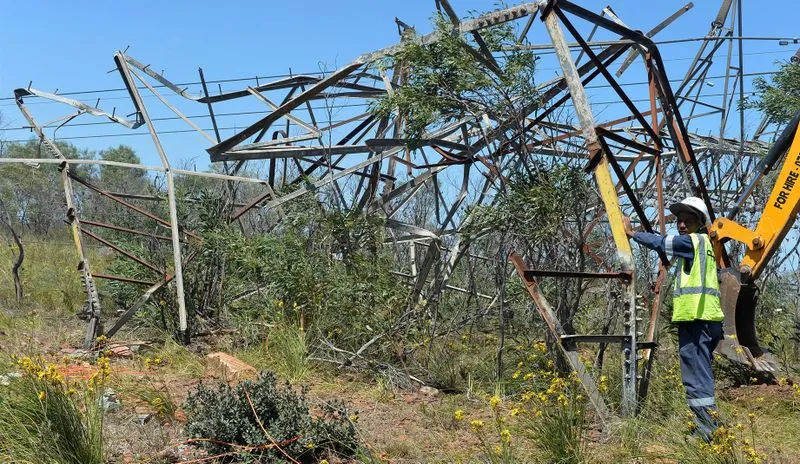
However, the backdrop to this funding increase is a troubling landscape of systemic infrastructure failures within the municipality. In October 2025, the National Energy Regulator of South Africa (Nersa) conducted a compliance audit that flagged several critical issues, including the management of high-voltage electricity transmission. These concerns were underscored when high-voltage electricity transmission pylons collapsed in January 2026, resulting in widespread power outages across large parts of the city.
According to reports, more than R35 million is required to upgrade the electricity transmission line affected by the pylon collapses, highlighting the urgent need for infrastructure investment. Charles Hlebela, a spokesperson for Nersa, acknowledged the challenges, stating, “Nersa is aware of the challenges related to infrastructure management in Nelson Mandela Bay, including incidents involving high-voltage pylons.” This situation raises questions about the municipality’s capacity to manage its infrastructure effectively while also addressing community needs.
In addition to the electricity issues, the Markman industrial area has been grappling with deteriorating road conditions. Heavy truck traffic has rendered many roads almost impassable, compounding the challenges faced by local businesses and residents. Thembinkosi Mafana, a local representative, remarked, “These issues of illegal occupation and the roads in Markman are not new.” This ongoing struggle illustrates the broader context of infrastructure neglect that has persisted in the area.
Mafana further emphasized the complexity of the situation, stating, “You cannot fix a problem this size with just one law firm handling all of it.” This comment reflects the multifaceted nature of the challenges facing Nelson Mandela Bay, where infrastructure, legal, and community issues intersect. The municipality’s efforts to increase funding for ward councillors may provide some relief, but the underlying problems require comprehensive solutions.
As the municipality navigates these pressing issues, the increased funding for ward councillors is seen as a critical step towards addressing community needs. However, the effectiveness of this funding will depend on how well it is utilized in the face of significant infrastructure challenges. Observers will be watching closely to see how these developments unfold in the coming months, as the municipality seeks to balance immediate community support with long-term infrastructure improvements.