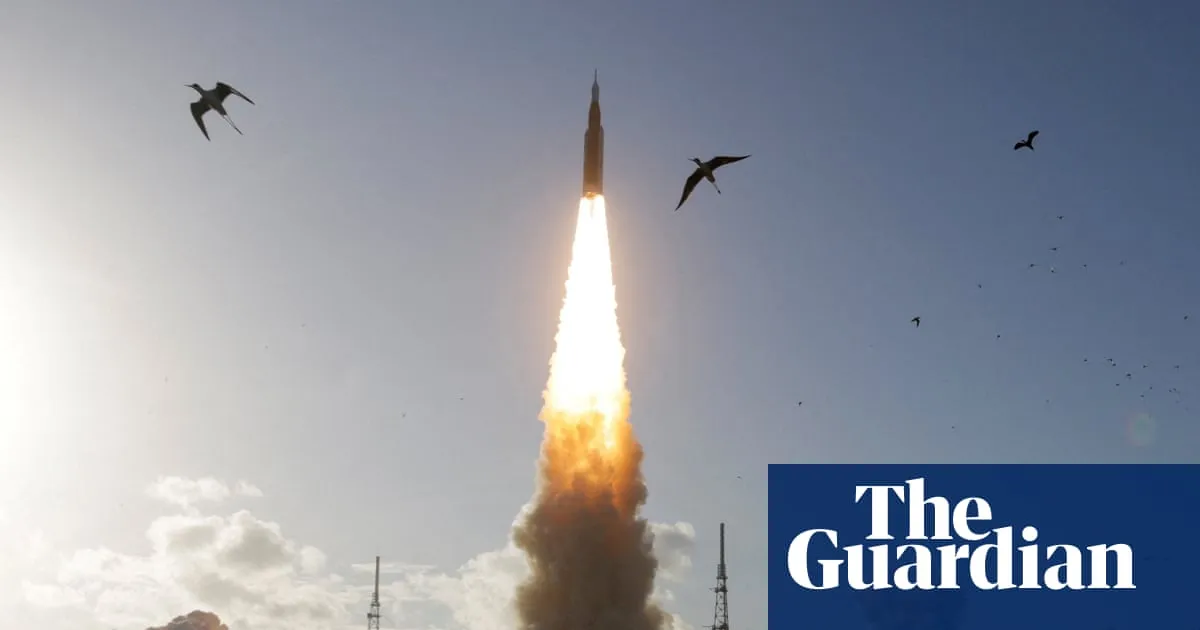
NASA’s Artemis II mission is scheduled to launch on April 1, 2026, marking a significant milestone as the first crewed lunar flyby in over 50 years. The mission will last approximately 10 days and will involve a journey around the Moon, with a translunar injection burn planned for April 1 at 7:49 p.m. EDT.
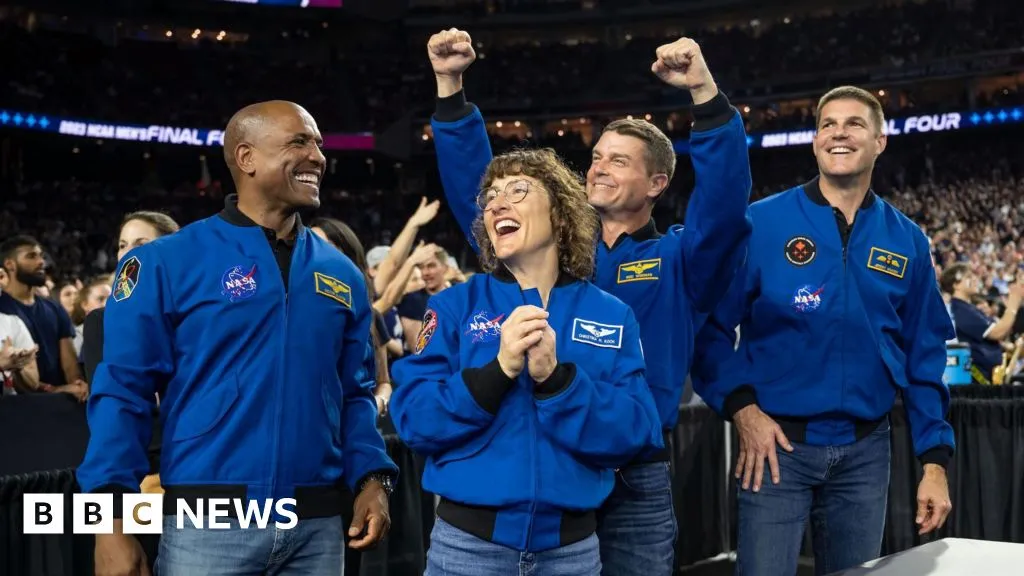
The crew includes Commander Reid Wiseman, Pilot Victor Glover, Mission Specialist Christina Koch, and Mission Specialist Jeremy Hansen from the Canadian Space Agency. This diverse team is set to perform crucial checks and troubleshooting on their Orion capsule after launch.
During the mission, the spacecraft’s main engine was ignited for 43 seconds to raise its orbit, and the perigee raise burn was successfully completed to adjust the spacecraft’s trajectory. The mission management team will closely assess the spacecraft’s performance before proceeding to the Moon.
A notable aspect of this mission is the Universal Waste Management System (UWMS), a new toilet technology designed for deep space. The system, which cost $30 million, allows astronauts to vent urine out of the spacecraft daily. Mission Control confirmed, “Happy to report that toilet is go for use,” highlighting the importance of life support systems in long-duration missions.
Jeremy Hansen remarked, “We’re pretty fortunate as a crew to get a toilet with a door on this tiny spacecraft,” emphasizing the comfort and privacy it provides. He also noted, “The one place during the mission where we can go and actually feel like we’re alone for a moment” underlines the psychological aspects of space travel.
Historically, the Apollo missions faced challenges with primitive waste management systems that were prone to leaks and dissatisfaction. The advancements in technology showcased in Artemis II reflect significant progress in addressing these issues.
As the launch date approaches, observers are keen to see how the crew adapts to the new systems and what further developments will arise during the mission. Details remain unconfirmed regarding the specific challenges they may face in the deep space environment.