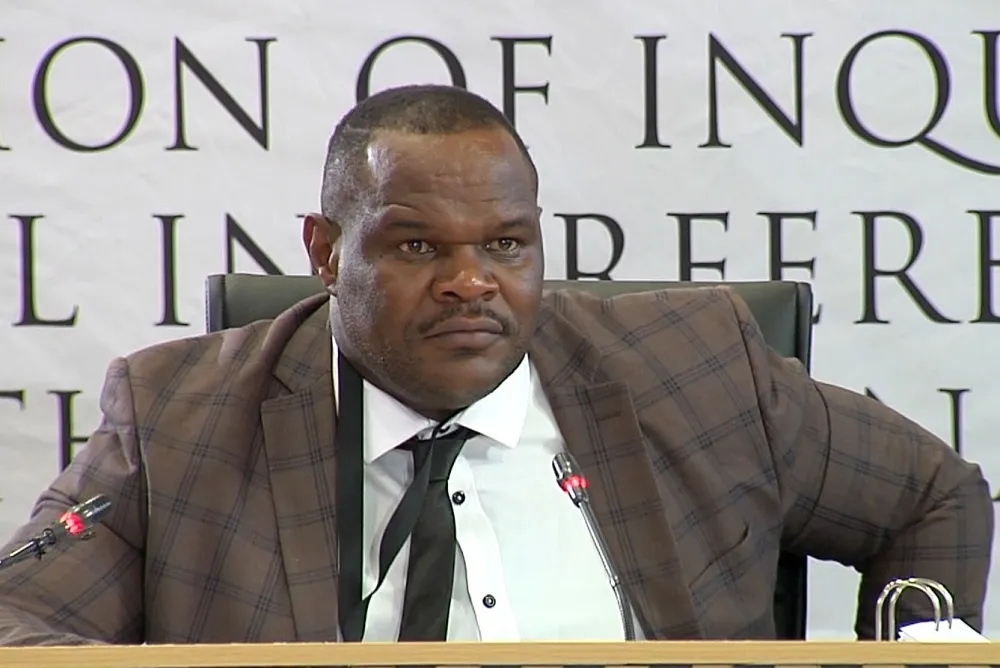
What are the implications of Sergeant Fannie Nkosi sharing confidential police information with businessman Steve Motsumi? This action has raised significant concerns regarding police integrity and the handling of sensitive data.
On March 17, 2026, during the ongoing hearings of the Madlanga Commission, it was revealed that Nkosi had forwarded an email concerning alleged Mozambican kidnapping kingpin Esmael Nangy to Motsumi. This email included internal police documents, which have sparked a serious inquiry into Nkosi’s conduct.
Nkosi was questioned about his decision to share these internal police documents, which encompassed official fingerprint kits, internal audit documents, and detailed crime reports. The gravity of this situation is underscored by the nature of the documents, which contained sensitive information such as the names and addresses of complainants and witnesses.
In a surprising admission, Nkosi acknowledged that he had shared a confidential South African Police Service (SAPS) document with Motsumi. He claimed that his intention was to commend the police’s efforts to Motsumi, stating, “I shared confidential information with Motsumi because he loves SA.” This rationale, however, has not alleviated the concerns raised by the Commission.
The Madlanga Commission has expressed serious reservations about Nkosi’s actions, particularly regarding the potential implications for police operations and public trust. Nkosi’s role has been scrutinized, especially given accusations that he acted as a middleman between police officials and suspected crime bosses.
During the questioning, Nkosi was unable to provide satisfactory answers to the Commission’s inquiries, stating, “I cannot respond, Commissioner.” This lack of clarity has only intensified the scrutiny surrounding the case.
Furthermore, Sesi Baloyi, another individual involved in the proceedings, highlighted the risks associated with Nkosi’s disclosures, indicating that police operations could be compromised by revealing sensitive information to civilians.
As the investigation continues, the Madlanga Commission is expected to delve deeper into the ramifications of Nkosi’s actions and the broader implications for police accountability in South Africa. Details remain unconfirmed regarding the full extent of the information shared and its impact on ongoing investigations.
The outcome of this inquiry may set a precedent for how police conduct is monitored and regulated, particularly in relation to interactions with private individuals.