How it unfolded
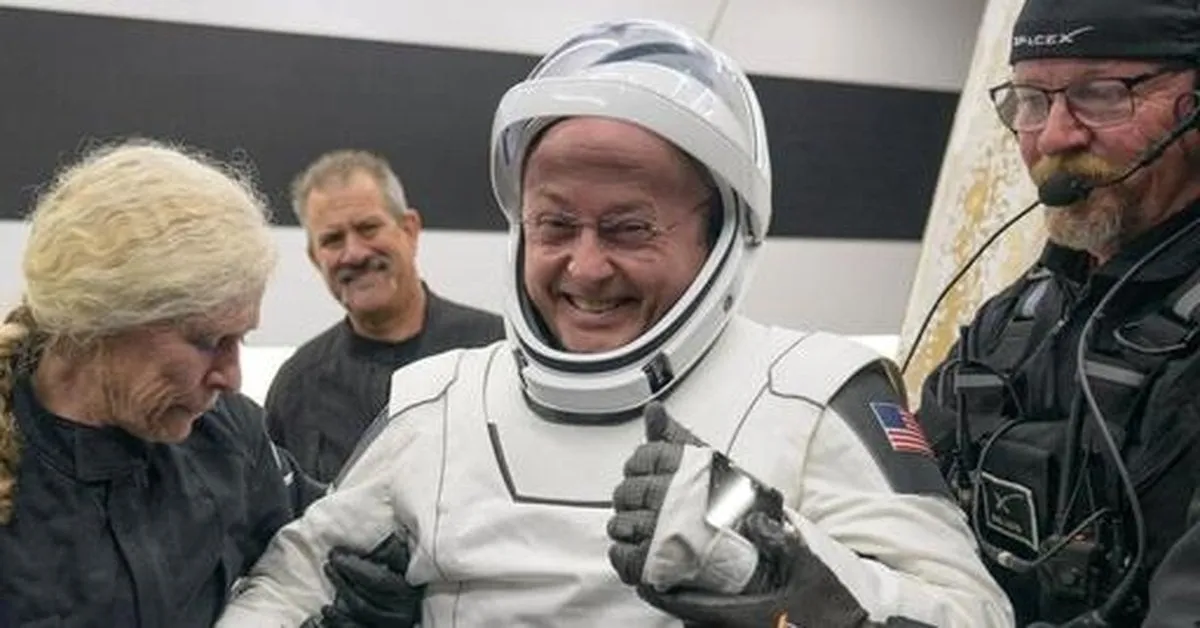
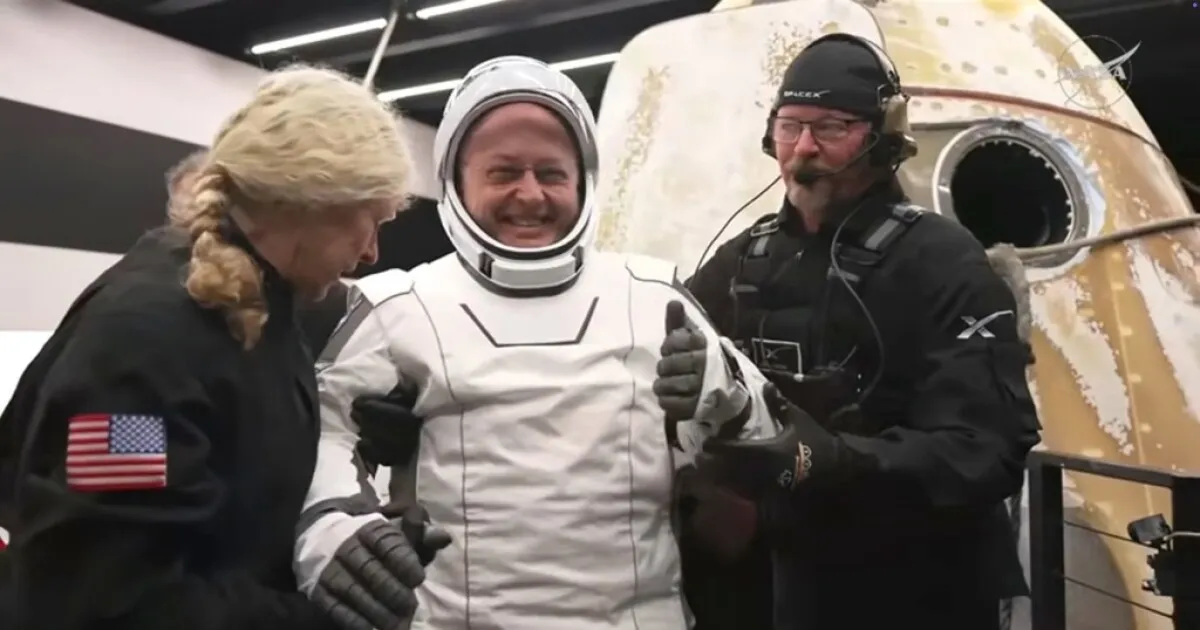
On January 8, 2026, aboard the International Space Station (ISS), astronaut Michael Fincke experienced a sudden loss of speech during dinner. This alarming incident occurred just before a planned spacewalk, prompting immediate concern among his fellow crew members. Fincke described the situation, stating, “I was feeling super. Everyone was feeling super. And then I wasn’t.” The episode lasted approximately 20 minutes, during which the crew quickly mobilized to assess his condition.
In a remarkable response, NASA executed the first controlled medical evacuation from the ISS. Fincke, who had never faced such a medical emergency before, utilized available medical equipment to perform his own echocardiogram, ruling out a heart attack as the cause. He noted, “I did my own echocardiogram—we have ultrasounds there—and it looked like I did not have a heart attack.” Despite this, the exact cause of his medical emergency remains unknown, and details remain unconfirmed.
The incident led to significant operational changes, including a shortening of the Crew 11 mission by about a month. NASA stocks minimal medical supplies aboard the ISS compared to what is available on Earth, underscoring the challenges of addressing medical emergencies in space. The event highlighted the limited understanding of human health in orbit, particularly regarding the long-term effects of prolonged exposure to microgravity, which Fincke believes may have contributed to his condition.
As the situation unfolded, Fincke remarked, “It was all hands on deck within just a matter of seconds,” emphasizing the swift and coordinated response by his fellow astronauts and mission control. This incident is particularly noteworthy as NASA prepares for the Artemis II mission, set to be the first manned mission to the moon in over 50 years. The crew for Artemis II includes three NASA astronauts and one Canadian astronaut, marking a significant milestone in space exploration.
Fincke’s experience serves as a reminder of the complexities and risks associated with human spaceflight. The medical emergency not only impacted the immediate crew but also raised questions about astronaut health and safety in the unique environment of space. As NASA continues to push the boundaries of exploration, understanding the implications of microgravity on human health remains a priority.
In light of this incident, NASA is likely to reassess its medical protocols and supplies aboard the ISS to better prepare for future emergencies. The agency’s ongoing research into the health effects of space travel will be crucial as it aims to ensure the safety and well-being of astronauts during missions, especially with ambitious plans for lunar exploration on the horizon.
As the investigation into Fincke’s medical episode continues, the broader implications for astronaut health in microgravity are becoming increasingly clear. The incident not only highlights the immediate challenges faced by astronauts but also the need for comprehensive medical support systems as humanity ventures further into space.