The wider picture
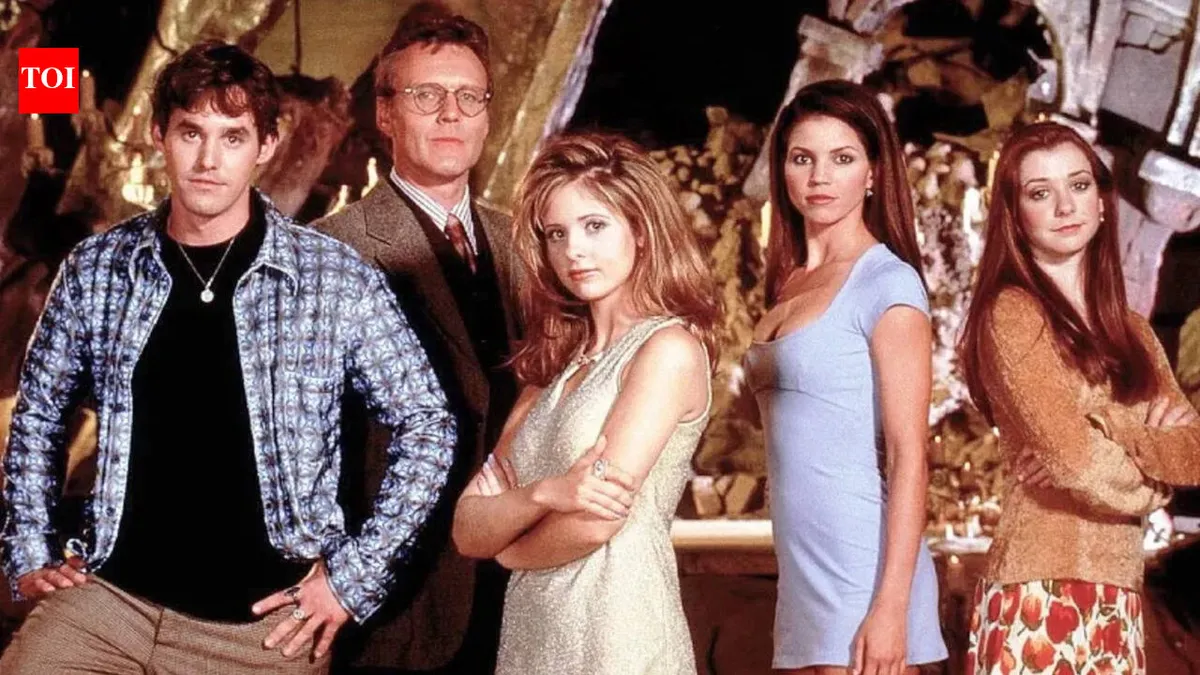
The television landscape transformed dramatically in 2026 with numerous beloved shows facing cancellation. Among the most notable is the reboot of Buffy the Vampire Slayer, which was canceled by Hulu after its first season. This decision has disappointed many fans who were eager to see the continuation of the iconic series.
Another significant cancellation is Access Hollywood, which ended its 30-year run on air. This long-standing program has been a staple of entertainment news, and its departure marks the end of an era for many viewers. Alongside it, Access Live was also canceled, further reshaping the landscape of entertainment journalism.
Watson, a series starring Morris Chestnut and Robert Carlyle, was canceled after two seasons, with its series finale set to air on May 3, 2026. The show focused on Dr. John Watson restarting his medical practice after the death of Sherlock Holmes, blending elements of mystery with unique medical cases. Morris Chestnut remarked, “Not only are we dealing with the element of [the Holmes] mythology, but we’re also dealing with these unique medical cases.”
In addition to these cancellations, Star Trek: Starfleet Academy will not have a third season despite season two already being filmed. This decision has raised eyebrows among the franchise’s dedicated fanbase, who were looking forward to further adventures in the Star Trek universe.
Other shows facing cancellation include Palm Royale, which concluded after its second season, and DMV, which was canceled after just one season. The swift cancellation of these series reflects a broader trend in the industry, where networks are increasingly willing to cut shows that do not meet viewership expectations.
Finally, The Kelly Clarkson Show is set to end after seven seasons, with its final episodes scheduled to air in Fall 2026. Kelly Clarkson expressed her gratitude, stating, “I have been extremely fortunate to work with such an outstanding group of people at The Kelly Clarkson Show…” This cancellation highlights the shifting dynamics of daytime television as audiences’ preferences evolve.
As 2026 progresses, industry observers are closely monitoring these developments, noting that the cancellation of six shows by NBC and four by Netflix reflects a significant shift in programming strategies. While the future remains uncertain for many of these franchises, the impact of these cancellations will likely resonate with audiences for years to come.