What observers say
“The NSPCA welcomes this decision unreservedly,” stated a representative from the National Society for the Prevention of Cruelty to Animals (NSPCA) following the recent decision by South Africa’s National Council of Provinces (NCOP). This landmark approval of the Draft Notice Prohibiting Certain Activities Involving African Lions signifies a pivotal moment in the ongoing debate surrounding the country’s captive lion industry.
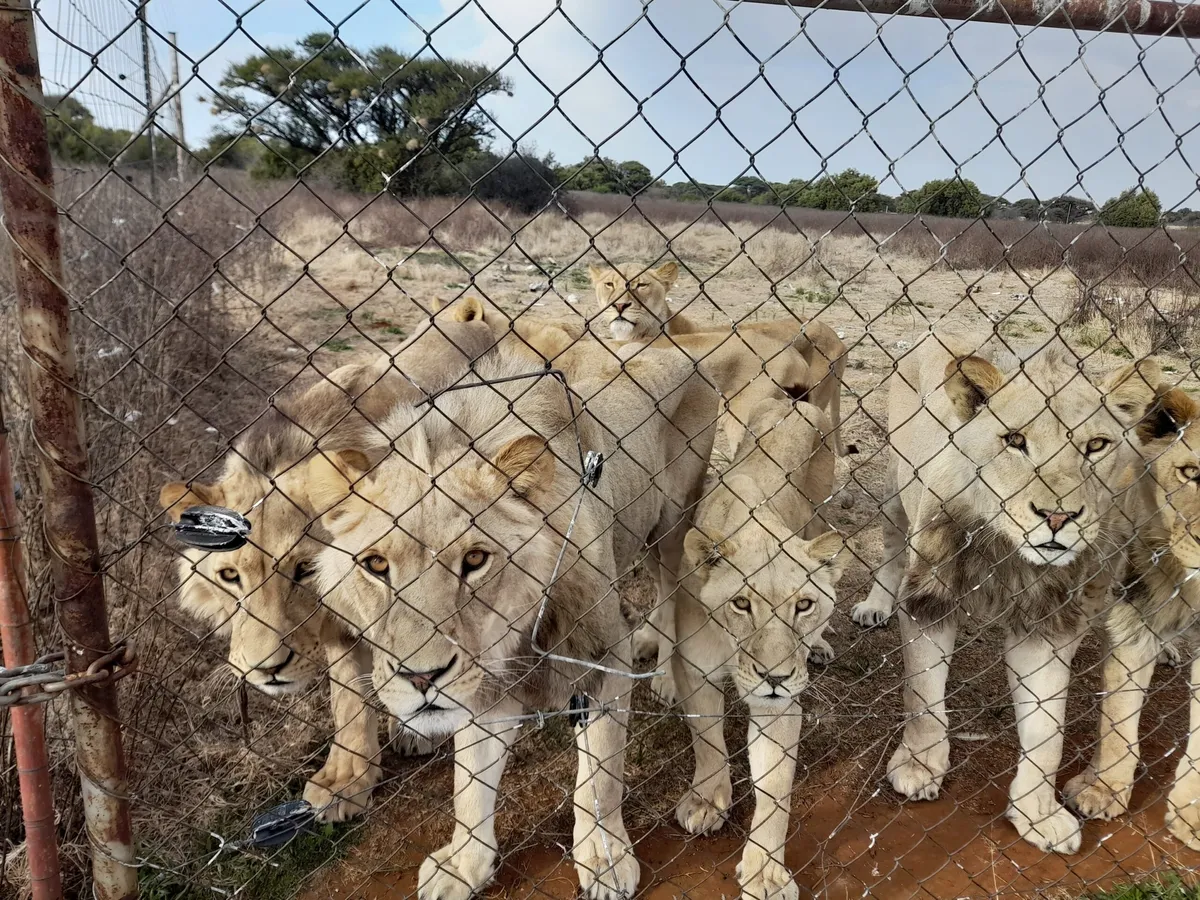
South Africa is home to an estimated 8,000 to 12,000 captive-bred lions, housed across more than 350 facilities. These lions, bred in captivity, cannot be released into the wild and do not contribute to the recovery of wild populations. A peer-reviewed study published in 2025 found no solid evidence that breeding lions in captivity benefits wild populations, raising significant ethical and conservation concerns.
The NCOP’s recent approval prohibits the establishment of new captive breeding facilities, a move that has been anticipated since the Ministerial Task Team on Voluntary Exit Options released recommendations in April 2024 aimed at ending captive breeding for commercial purposes. This decision reflects a growing recognition of the issues surrounding the captive lion industry, which has long been criticized for its lack of genuine conservation value.
In the context of this decision, a representative noted, “The conservation label applied to these operations has always been a commercial fiction.” This statement underscores the skepticism surrounding the motivations of those involved in the captive breeding industry, which has often been portrayed as a means of conservation.
Despite the positive reception from animal welfare organizations, the South African Predator Association has expressed opposition to the new regulations. In December 2024, the association filed a High Court application seeking to reinstate a lion bone export quota, indicating that the conflict over the future of captive lions is far from resolved.
As the debate continues, the implications of the NCOP’s decision are significant. The move is expected to reshape the landscape of lion management in South Africa, where the captive lion industry has faced increasing scrutiny both domestically and internationally. For this decision to have its intended impact, observers stress that Minister Willie Aucamp must gazette the Prohibition Notice without delay.
In a different context, the term ‘Lions’ also resonates in South Africa’s sports arena. Recently, the Lions rugby team won their opening fixture 24-7 against the Sharks in Durban, followed by a decisive 42-21 victory against the Dragons in their round 14 Vodacom United Rugby Championship fixture. Nico Steyn’s performance, scoring two tries and being named man of the match against the Dragons, has added to the team’s momentum, marking four consecutive wins in the competition.
As South Africa navigates the complexities of both wildlife conservation and sports, the evolving narrative around lions—whether in the wild or on the field—continues to captivate the nation’s attention.