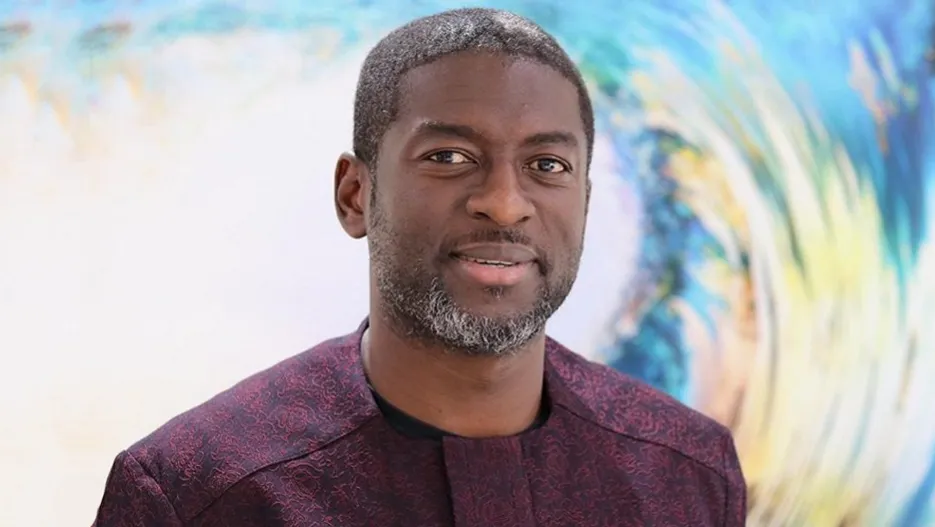
“They say rich people can’t dance, but Ghanaian billionaire Kevin Okyere just shattered that stereotype with some Gen Z moves at last night’s event. Clearly, he’s been keeping up with TikTok trends!” This observation from a social media user encapsulates the widespread surprise and admiration that followed the release of a dance video featuring Kevin Okyere, the CEO of Springfield Energy, on March 16, 2026.
The video, which quickly went viral, garnered millions of views across platforms like X and Instagram within days. It showcased Okyere’s performance of the Amapiano dance, a genre that originates from South Africa and has gained immense popularity among Gen Z audiences. The dance not only highlighted his moves but also provided a glimpse into his fun-loving personality, contrasting sharply with the often-stoic image of corporate leaders.
Okyere’s performance has been noted for breaking down stereotypes associated with wealthy business moguls. Traditionally, the image of a billionaire is one of seriousness and detachment from popular culture. However, Okyere’s willingness to engage with contemporary dance trends has sparked discussions about the cultural versatility of business leaders. His actions suggest that success in the corporate world does not preclude a connection to popular culture.
Social media reactions have been overwhelmingly positive, with users expressing admiration, surprise, and humor at Okyere’s unexpected display of talent. The video has been praised for humanizing corporate leaders, showing that they too can be relatable and engaging. This shift in perception is significant in an era where public figures are increasingly scrutinized for their authenticity.
The Amapiano genre continues to dominate social media in 2026, reflecting a broader trend of blending business with cultural engagement. Okyere’s dance performance is a prime example of how corporate leaders can leverage popular culture to connect with younger audiences, thereby enhancing their public image.
What observers say
As the video circulates, discussions about the implications of such performances for corporate culture are gaining traction. Observers note that Okyere’s dance could inspire other business leaders to embrace a more approachable persona, potentially reshaping the narrative around wealth and leadership. The performance serves as a reminder that even those at the top can participate in the cultural zeitgeist.
Looking ahead, it remains to be seen how this viral moment will influence Okyere’s public engagements and the broader corporate landscape. Will more leaders follow suit and engage with popular culture in similar ways? The conversation sparked by Okyere’s dance is just beginning, and its impact could resonate well beyond the initial viral moment.