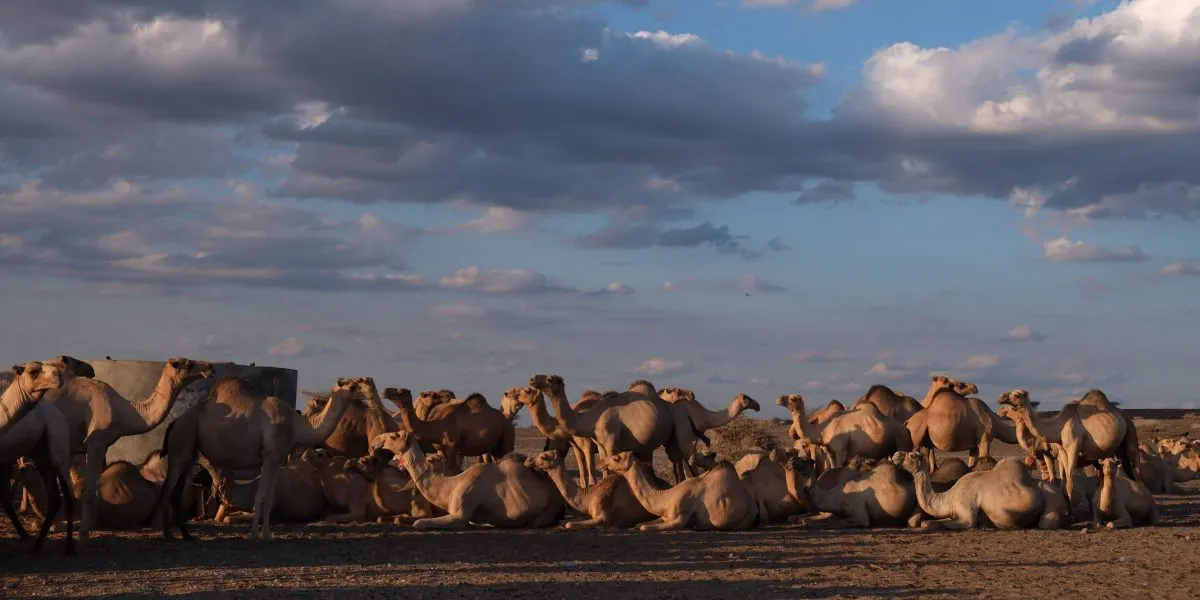
“There is no manyatta that has not been affected by this disease.” This stark observation from local resident Gumathi Galnahgalle encapsulates the dire health crisis facing Kargi, a small village in Kenya. With cancer rates soaring, particularly for esophageal and stomach cancer, the community is grappling with the devastating impact of this disease.
Historically, Kargi has been a site of concern due to its environmental conditions. By the early 2000s, the cancer rate in Kargi was reported to be three times the national average. This alarming statistic has drawn attention to the potential causes, particularly the legacy of oil drilling conducted by Amoco in the 1980s. The drilling, commissioned by then-Kenyan President Daniel arap Moi, left behind toxic waste that has since been linked to the community’s health issues.
The waste left by Amoco contained heavy metals and carcinogens, which residents unknowingly used as a cooking ingredient, mistaking it for natural salt. This misstep has had tragic consequences, with high levels of nitrates and arsenic found in the local drinking water, further exacerbating health risks. Between 2006 and 2009, Kargi recorded 65 cancer-related deaths, highlighting the severity of the situation.
Local residents have expressed their anguish over the situation. Safi Mirkalkona stated, “There are many orphans here. And yet, we still do not understand this disease.” This sentiment reflects the broader confusion and despair felt by many in Kargi, as they confront a health crisis that has left families shattered.
Joseph Lemasolai Lekuton, another community member, remarked, “Strange diseases started occurring in the specific areas where oil was drilled.” This observation points to a troubling correlation between the environmental degradation caused by oil extraction and the rise in cancer cases. The community’s plight has not gone unnoticed; a lawsuit was filed in 2020 by Kargi residents against the Kenyan government, accusing it of failing to address the pollution and its consequences.
As the community continues to fight for justice, the impact of this pollution extends beyond health. The pollution has led to a pattern of environmental lawsuits across Kenya, as other communities seek accountability for similar issues. Godana Hargura, a resident of Kargi, poignantly noted, “I come from Kargi Village, and I have about 150 names of those who have died as a result of that disease.” This chilling statement underscores the human cost of environmental negligence.
Despite the ongoing struggles, Kargi’s literacy rate stands at a mere 25%, complicating efforts to raise awareness and advocate for change. The community, comprising around 10,000 residents, faces not only health challenges but also socio-economic hurdles that hinder their ability to seek redress and improve their living conditions.
Details remain unconfirmed regarding the direct correlation between the waste left by Amoco and the cancer cases in Kargi. However, the community’s experiences serve as a critical reminder of the long-term effects of industrial activities on public health and the environment. As Kargi residents continue to navigate this crisis, their resilience and determination to seek justice remain paramount.