How it unfolded
On March 13, 2026, reports began to emerge of a meningitis outbreak in Kent, United Kingdom. By March 17, authorities confirmed that at least two individuals had died as a result of the outbreak, which has been linked to visits to Club Chemistry in Canterbury between March 5 and 7. The situation escalated quickly, with 13 cases reported by March 13, and the number rising to 15 by March 16.
The bacterial strain identified in this outbreak is Meningococcal strain B. All reported cases have required hospitalization, with four confirmed as meningococcal B infections. The UK Health Security Agency (UKHSA) has advised anyone who visited Club Chemistry during the specified dates to seek preventive antibiotic treatment. As a result, two sites in Kent have been opened for the public to collect antibiotics.
Health officials, including Gayatri Amirthalingam from the UKHSA, confirmed the strain responsible for the outbreak, stating, “We are able to say this morning that we have now identified from some of the testing that it seems to be the group B meningococcal strain that is causing the outbreak in Kent.” This identification has prompted a surge in demand for meningitis B vaccinations, particularly among those born before 2015, who are not protected against this strain unless they have been vaccinated privately.
Pharmacies in the area are experiencing a significant increase in requests for private meningitis B vaccinations, with supplies running low. The cost of a full two-dose course of this vaccination is approximately £200, with Boots offering two doses for about £220. The urgency of the situation has led to calls for the NHS to commission a nationwide catch-up vaccination program for those affected.
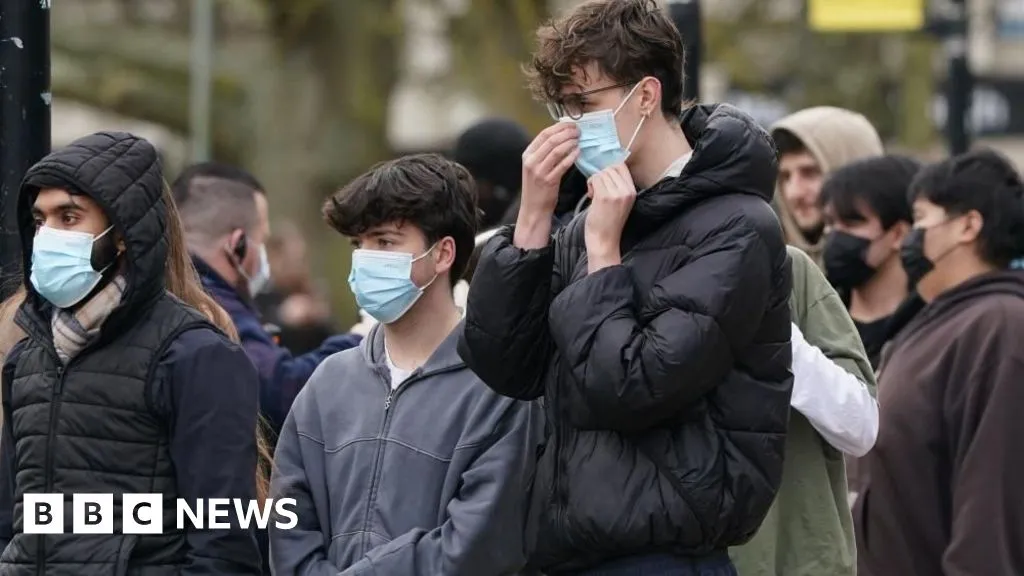
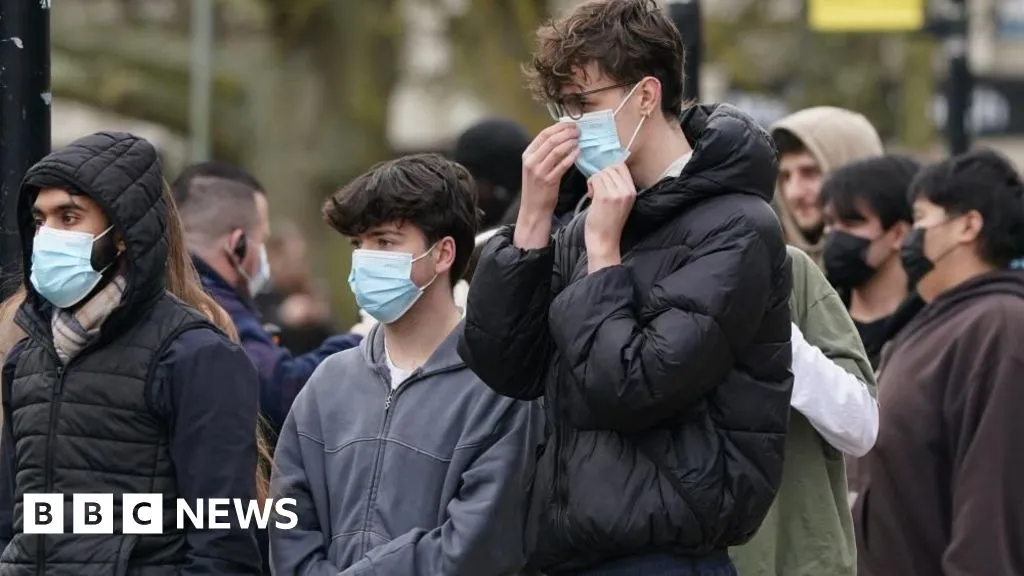
As of now, around 16,000 staff and students at the University of Kent have been advised to take precautions. The university community has been particularly impacted, with many students expressing concern over their health and safety. Dr. Leyla Hannbeck emphasized the need for immediate action, stating, “Worried families must not be left to a lottery. The NHS needs to step in and commission a national pharmacy-led catchup programme now.”
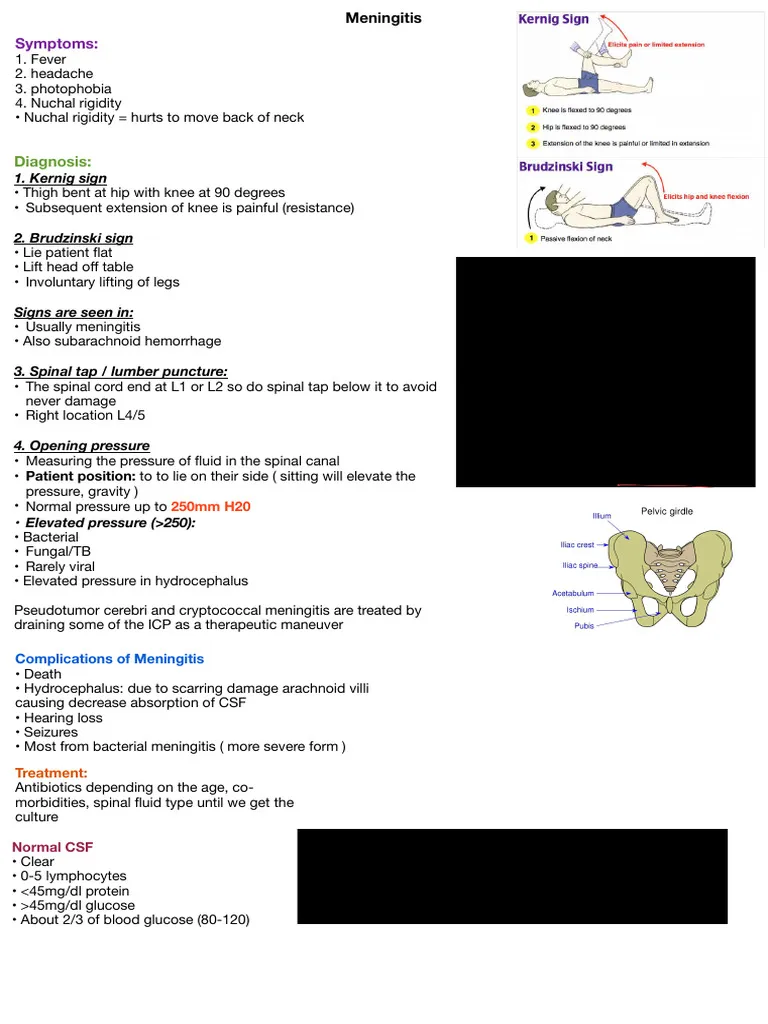
The symptoms of meningitis, which include high fever, severe headache, stiff neck, and a rash that doesn’t fade, have been highlighted by health officials to ensure that individuals are aware of the signs to look out for. Those who have been offered antibiotics have been reassured by Amirthalingam that it is safe for them to return home after taking the medication.
As the outbreak continues to unfold, the community remains on high alert. Health officials are working diligently to contain the spread of the disease and provide necessary medical support to those affected. The situation is evolving, and further updates are expected as more information becomes available.