Who is involved
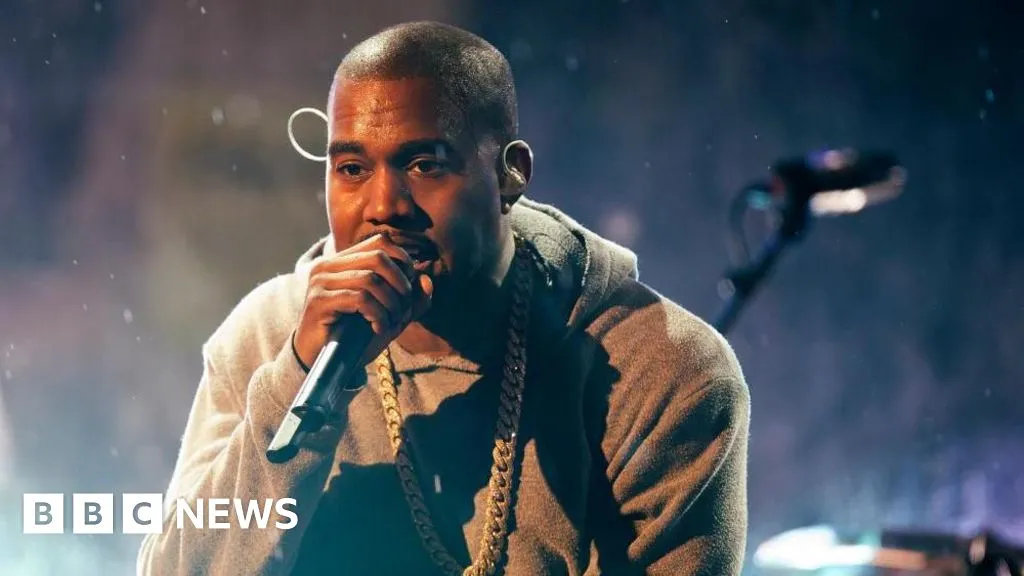
Before the recent developments, Kanye West, legally known as Ye, was scheduled to headline the Wireless Festival in the United Kingdom for all three days in July 2026. The festival, organized by Festival Republic, had anticipated a significant turnout, with Ye’s presence expected to draw large crowds. However, this expectation was abruptly altered when the UK Home Office decided to ban Ye from entering the country.
The decisive moment came when the Home Office withdrew Ye’s electronic travel authorization (ETA), effectively denying him entry into the UK. This decision was made after a review by Home Office ministers, following Ye’s history of making controversial statements, including antisemitic remarks and expressions of admiration for Adolf Hitler. As a result, the Wireless Festival was cancelled, leading to widespread disappointment among fans and stakeholders.
The immediate effects of this ban were felt by various parties involved. Festival Republic announced the cancellation of the Wireless Festival, which had been heavily promoted. Refunds will be issued to customers who had purchased tickets, but the financial implications for the festival organizers are significant. Additionally, major sponsors such as Pepsi, Diageo, Rockstar, and Paypal withdrew their support due to Ye’s booking, further complicating the festival’s financial viability.
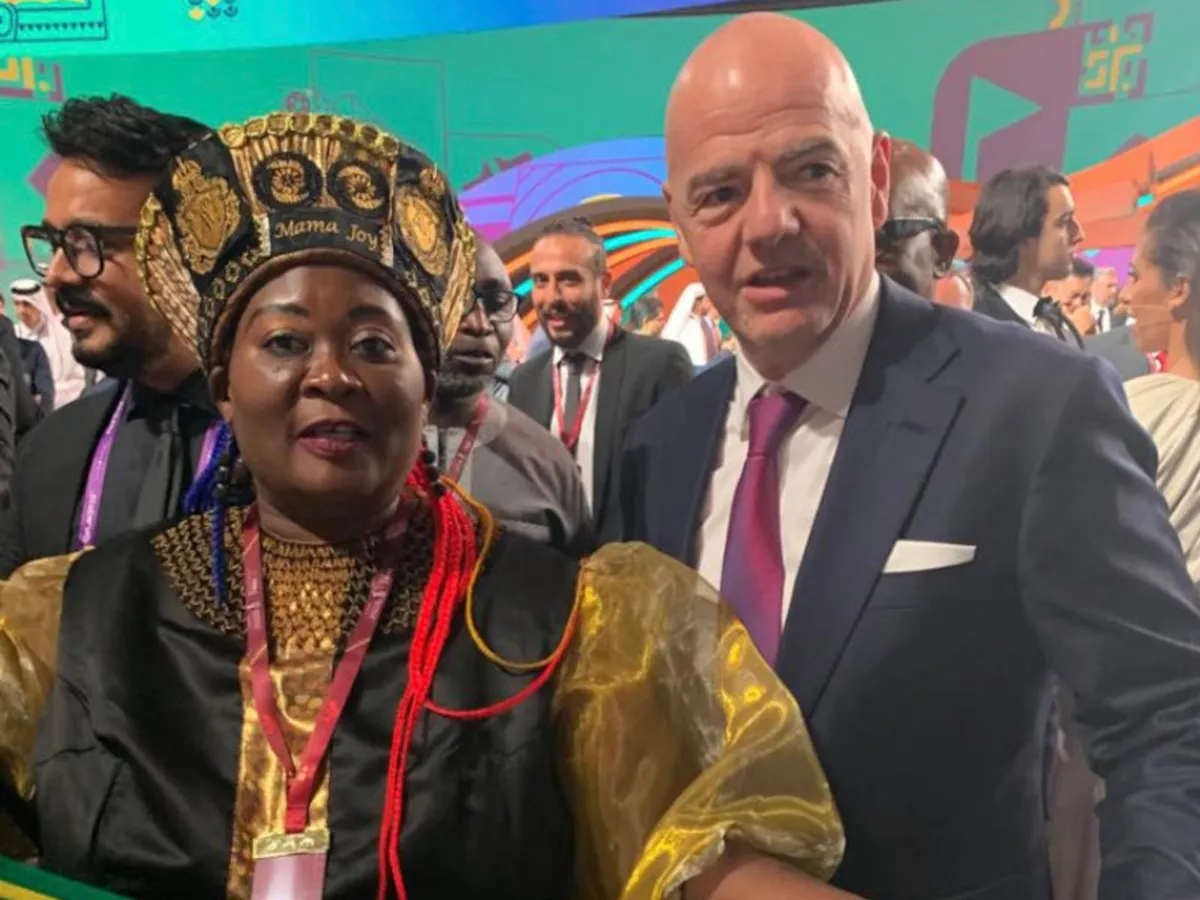
Melvin Benn, managing director of Festival Republic, defended Ye, stating that forgiveness and giving people a second chance are becoming lost virtues in today’s divisive world. His comments highlight the ongoing debate surrounding Ye’s controversial past and the broader implications of his actions. Conversely, political figures like Keir Starmer condemned Ye’s planned appearance at the festival, emphasizing that “antisemitism in any form is abhorrent and must be confronted firmly wherever it appears.” This contrast illustrates the polarized views on Ye’s influence and the repercussions of his statements.
Phil Rosenberg, a notable figure in the industry, welcomed the decision to ban Ye from entering the UK, suggesting that the situation could have been resolved much earlier. His remarks reflect a growing sentiment among some stakeholders that Ye’s presence at the festival would have been detrimental, not just to the event’s reputation but also to the broader cultural context.
Ye’s history of making controversial statements has been well-documented, and his recent actions, including taking out a full-page advertisement in the Wall Street Journal to apologize for his antisemitic behavior, have not mitigated the backlash he faces. The cancellation of the Wireless Festival serves as a significant turning point in the ongoing discourse surrounding Ye, highlighting the consequences of his past remarks on his professional engagements.
As the situation develops, the implications for the music industry and festival culture remain to be seen. The decision to ban Ye has sparked discussions about accountability and the responsibilities of artists in the public eye. While some advocate for forgiveness, others call for a more stringent approach to addressing harmful rhetoric. The cancellation of the Wireless Festival is a stark reminder of the potential fallout from controversial figures in the entertainment industry.