Who is involved
In recent years, Iran has been involved in a series of military conflicts and missile attacks, particularly against the United States and its allies. Historically, Iran’s missile capabilities have been a point of concern for countries in the region, especially Israel. Prior to the latest developments, there was a general expectation that diplomatic efforts and military deterrence would manage Iran’s aggressive posture.
However, a decisive shift occurred on March 23, 2026, when Iran launched a series of missile strikes targeting Israeli towns such as Arad and Dimona. This marked a significant escalation, as Iran has reportedly attacked civilian targets more than 300 times recently, injuring dozens and destroying homes in these areas. The immediate impact was felt across Israel, where the Iron Dome defense system, while still effective, faced challenges as some strikes managed to penetrate its defenses.
The direct effects of these missile attacks have been profound. Civilians in Israel have been injured, and property damage has raised alarms about the safety of residents in areas previously considered secure. Moreover, the attacks have prompted a strong military response from Israel, which has been actively intercepting drones and ballistic missiles aimed at Arab countries, demonstrating a broader regional conflict that extends beyond its borders.
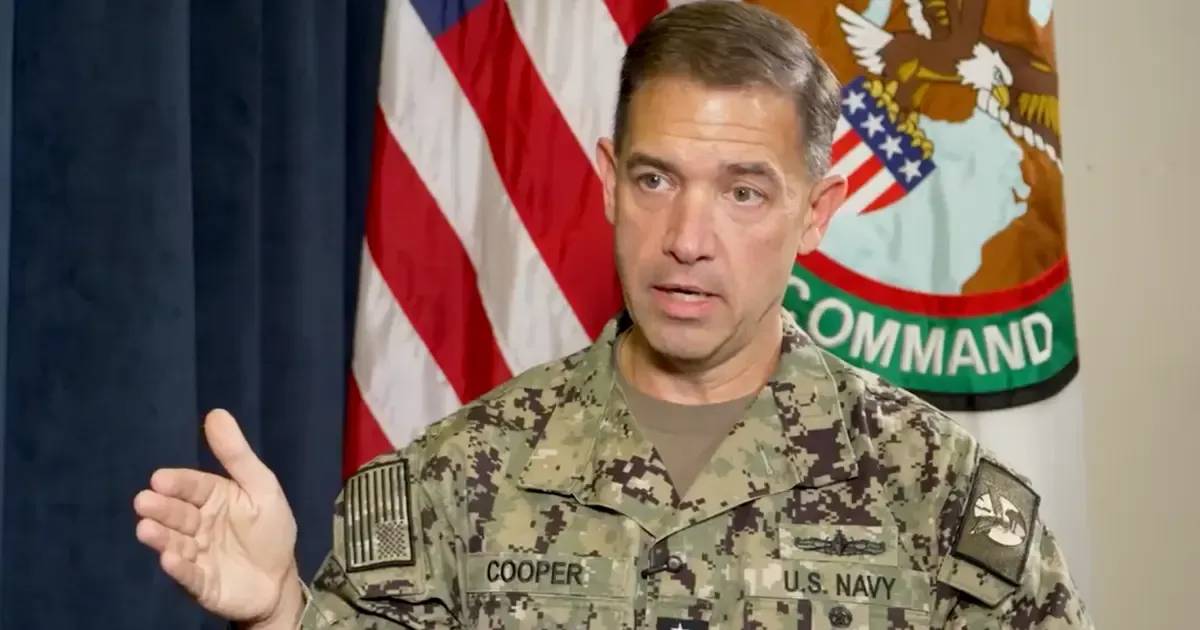
Experts have weighed in on the situation, highlighting the implications of Iran’s missile capabilities. Adm. Brad Cooper noted that Iran’s recent actions indicate a level of desperation, stating, “They’re operating in a sign of desperation… In the last couple of weeks, they’ve attacked civilian targets very deliberately, more than 300 times.” This perspective underscores the potential volatility of the situation, as Iran continues to assert its military strength despite ongoing attacks from US and allied forces, which have sunk or severely damaged about 140 vessels since the start of their campaign against Iran.
Furthermore, there are claims from Iranian officials that their military capabilities remain intact, despite the pressures exerted by US forces. This assertion raises questions about the actual state of Iran’s missile technology, particularly regarding the range of their ballistic missiles. Reports suggest that if confirmed, Iran could possess missiles with a range of 4,000 kilometers, potentially reaching as far as London. However, it remains unclear if these claims are substantiated, adding a layer of uncertainty to the situation.
As the conflict unfolds, the international community, including NATO and the UK, has expressed concern over the escalating tensions. Esmaeil Baghaei remarked on the exhaustion of the global community regarding disinformation surrounding the conflict, stating, “That even the NATO Secretary General declines to endorse Israel’s most recent disinformation, speaks volumes: the world has grown thoroughly exhausted with these tired and discredited ‘false flag’ storylines.” This highlights the complex narrative surrounding the conflict and the challenges in discerning fact from propaganda.
Details remain unconfirmed regarding the exact number of casualties from the missile strikes in Israel, further complicating the situation. As both Iran and Israel navigate this precarious landscape, the potential for further escalation looms large, with each side poised to respond to perceived threats. The Strait of Hormuz remains open for transit, but the ongoing military actions signal a turbulent period ahead for the region.