What observers say
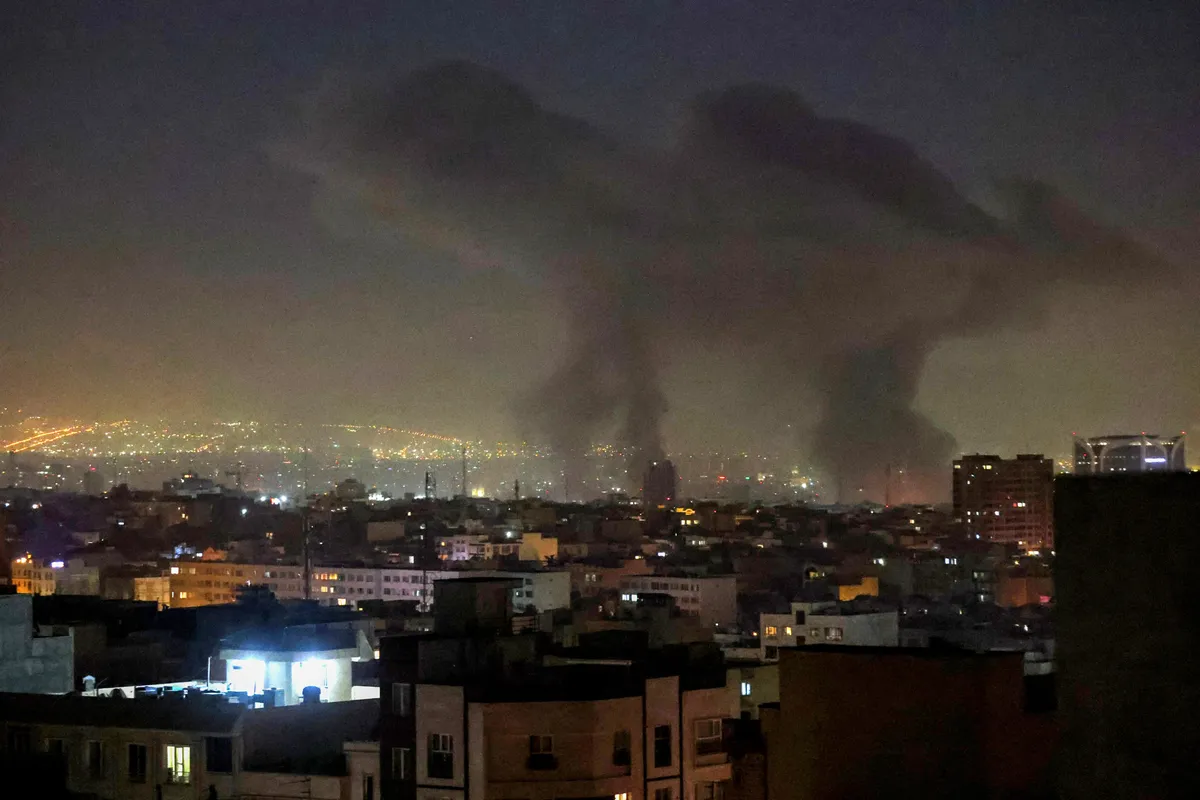
“We will keep pushing, keep advancing, no quarter, no mercy for our enemies,” stated Secretary of Defense Pete Hegseth, reflecting the aggressive stance of the U.S. military in the ongoing conflict with Iran. The war, which began on February 28, 2026, has seen the United States and Israel initiate a series of strikes against Iranian targets, raising significant concerns about the humanitarian impact and legality of these actions.
Since the onset of the conflict, the strikes have resulted in the deaths of at least 1,443 Iranian civilians, including 217 children, according to reports. The scale of destruction is staggering, with 67,414 civilian sites targeted, which includes 498 schools and 236 health facilities. The tragic strike on Shajareh Tayyebeh Primary School alone resulted in the deaths of at least 175 individuals, many of whom were children, highlighting the devastating toll on innocent lives.
The U.S. military actions have drawn sharp criticism for violating the United Nations Charter. UN High Commissioner for Human Rights Volker Türk condemned the attacks on essential infrastructure, stating that they have “disastrous” impacts for civilians. This sentiment is echoed by ICRC President Mirjana Spoljaric Egger, who remarked, “War on essential infrastructure is war on civilians,” emphasizing the humanitarian crisis unfolding as a result of these military operations.
President Trump has escalated rhetoric surrounding the conflict, threatening to “obliterate” power plants in Iran, which could lead to further humanitarian crises. His comments reflect a broader strategy that prioritizes military effectiveness over adherence to international humanitarian law, a shift that has raised alarms among human rights advocates.
The financial implications of the war are also staggering, costing U.S. taxpayers between $1-2 billion each day. This expenditure raises questions about the sustainability of such military engagement and its long-term impacts on both the U.S. economy and the geopolitical landscape of the region.
As the conflict continues, the U.S. Defense Department has reportedly weakened protections designed to ensure compliance with international humanitarian law, leading to further scrutiny of its military strategies. Critics argue that this shift towards prioritizing lethality over legality could set dangerous precedents for future military engagements.
Details remain unconfirmed regarding the potential for a resolution to the conflict. The ongoing violence has not only resulted in significant loss of life but is also causing serious environmental and economic harms in the region, with implications that could extend far beyond Iran’s borders.
As the situation develops, the international community watches closely, with calls for accountability and adherence to humanitarian principles becoming increasingly urgent amid the escalating violence.