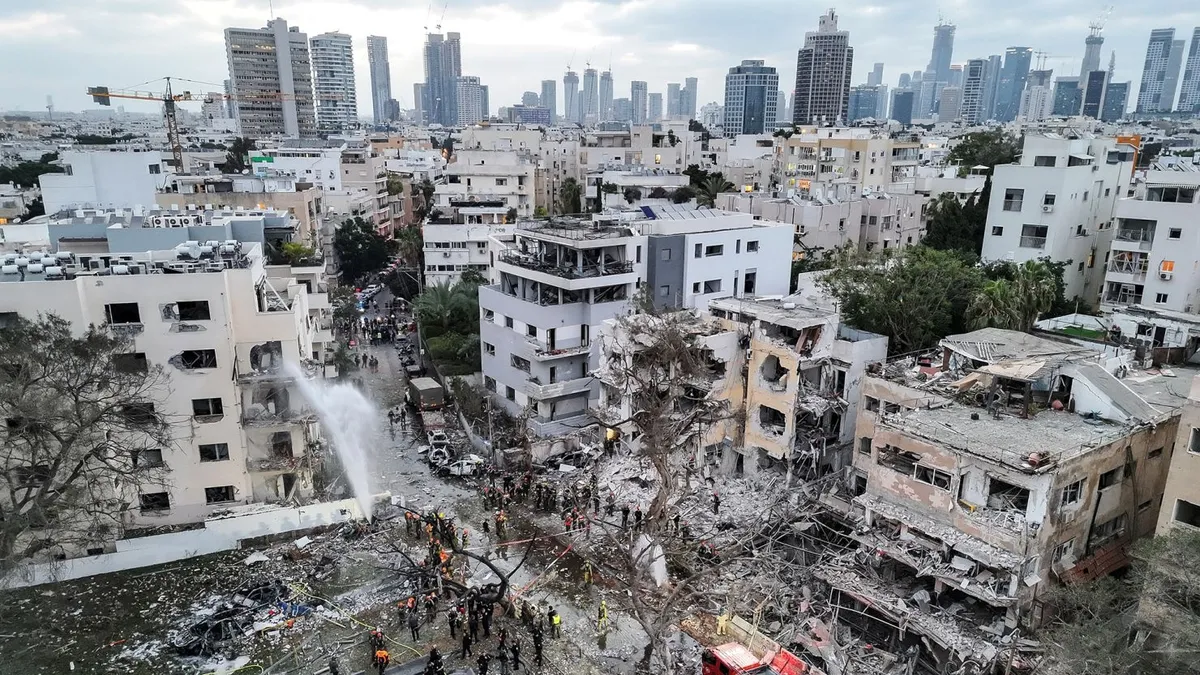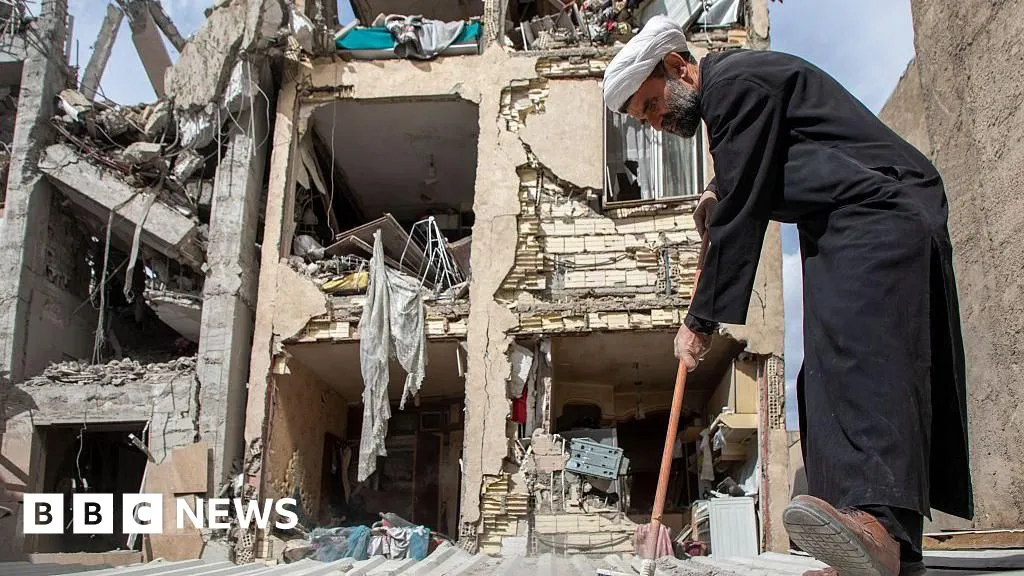
The ongoing conflict in Iran has escalated dramatically following recent US-Israeli strikes, resulting in significant casualties and heightened tensions in the region. As of March 31, 2026, at least 1,937 people have been killed and nearly 25,000 injured as a direct consequence of the war.
In a notable incident, the Islamic Revolutionary Guard Corps (IRGC) confirmed the death of its naval commander, Admiral Alireza Tangsiri, due to an Israeli strike. This loss is expected to have profound implications for Iran’s military strategy moving forward.
US Secretary of State Marco Rubio asserted that US war objectives could be achieved in “weeks, not months,” indicating a potential escalation in military operations. Meanwhile, Israel’s military has claimed responsibility for targeting the Imam Hossein University in Tehran, alleging it was involved in advanced weapons research.
In retaliation, Iran has launched direct attacks, including an assault on a Kuwaiti oil tanker stationed at Dubai port. This act signifies a dangerous escalation in hostilities, drawing in regional players.
Saudi Arabia has also been affected, intercepting at least eight ballistic missiles aimed at Riyadh and its Eastern province, showcasing the conflict’s spillover effects across the Gulf states.
As the conflict continues, Iran’s navy has initiated its 87th wave of regional attacks within a month, sending a clear message to the US and its allies. The situation remains volatile, with significant implications for regional stability.
Humanitarian concerns are mounting, as noted by Jan Egeland, who stated, “Civilians are paying the highest price for this war. It must end.” The ongoing violence has led to widespread destruction and suffering among the Iranian populace.
Details remain unconfirmed regarding the exact timeline for achieving US war objectives, and the future of ceasefire negotiations remains uncertain. Tensions continue to rise, with 2,700 people reported killed across the Middle East due to the conflict.
As the situation develops, the international community watches closely, with calls for de-escalation becoming increasingly urgent. Tohid Asadi remarked, “We are far from any point of de-escalation,” highlighting the grim outlook for peace in the region.
With the stakes higher than ever, the potential for further military action looms large, and the path to resolution remains fraught with challenges.