Reaction from the field
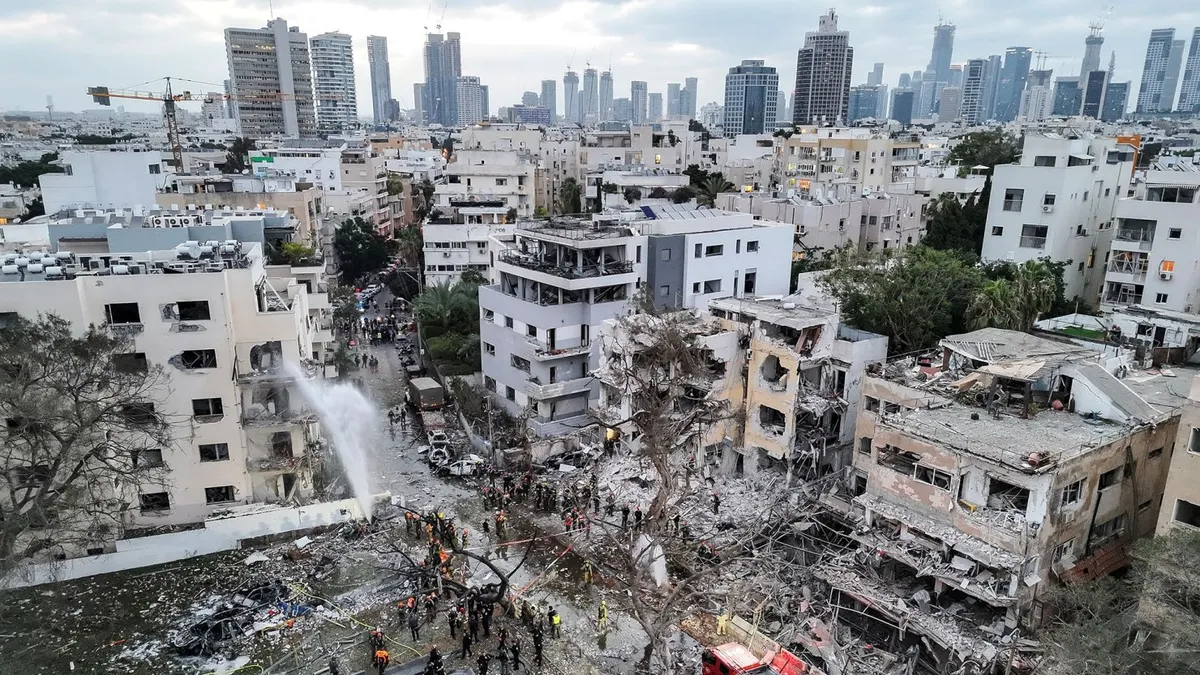
The Iran-Israel war has entered a critical phase as Israel launched a new wave of attacks on Tehran, marking the 17th day of the US-Israel military campaign against Iran. This escalation has resulted in significant casualties and widespread destruction, raising alarms about the potential for a broader conflict in the Gulf region.
As of March 15, 2026, the Iranian Red Crescent Society reported that the latest Israeli raids have caused severe damage to one of its clinics and an aid relief post, further complicating humanitarian efforts in the region. The ongoing violence has led to a staggering death toll in Iran, with 1,444 people confirmed dead and 18,551 injured, highlighting the devastating impact of the conflict on civilians.
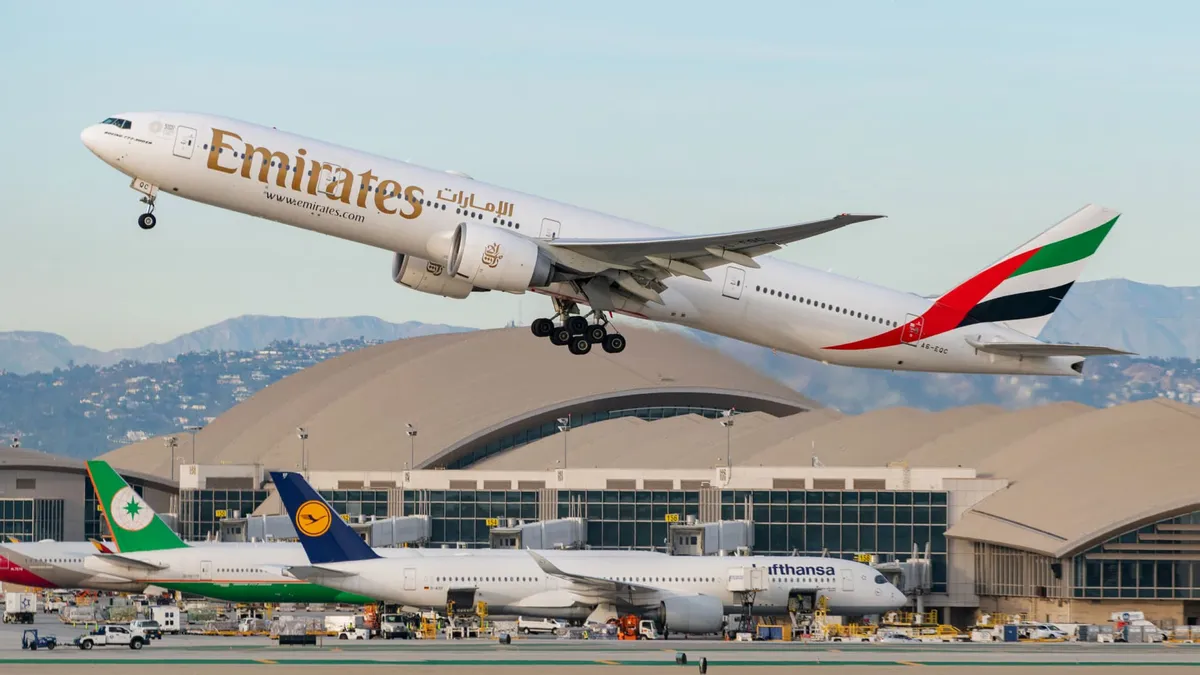
The situation is further exacerbated by regional tensions, as authorities in Dubai reported a fire that erupted after a drone-related incident near Dubai International Airport, temporarily suspending flights. This incident underscores the broader implications of the conflict, as neighboring countries grapple with the fallout from the ongoing hostilities.
In a show of military readiness, Saudi Arabia intercepted 37 drones in its eastern region on March 16, 2026, indicating the heightened security concerns among Gulf states. Meanwhile, air raid sirens were activated in central Israel following a missile fired from Iran, although no casualties were reported in that incident. This reflects the ongoing threat posed by the conflict to both Iranian and Israeli territories.
The death toll in Lebanon has also risen dramatically, now standing at 850, with more than 100 children among the deceased. This tragic statistic highlights the far-reaching consequences of the conflict, as it spills over into neighboring countries and exacerbates an already dire humanitarian situation.
Iranian authorities have responded to the escalating violence by arresting 18 individuals accused of working for Iran International, a satellite news channel alleged to have ties to Israel. This crackdown on perceived dissent underscores the Iranian government’s efforts to control the narrative amid the ongoing conflict.
Statements from key figures reveal the determination of both sides to continue their military operations. Abbas Araghchi, a senior Iranian official, stated, “No, we never asked for a ceasefire, and we have never asked even for negotiation. We are ready to defend ourselves as long as it takes.” In contrast, former US President Donald Trump claimed, “Iran has very little firepower left. We have decimated their manufacturing capability,” suggesting a belief in the effectiveness of the military campaign against Iran.
As the conflict continues to evolve, uncertainties remain regarding the potential for further escalation and the long-term implications for regional stability. Details remain unconfirmed regarding the full extent of the damage and casualties, as both sides prepare for what could be a protracted and devastating confrontation.