What observers say
“Iran promised to deliver an ‘unforgettable lesson’ to the US and Israel,” stated Iranian officials following a series of devastating attacks that began on February 28 in Minab, Iran. This statement underscores the heightened tensions between Iran and its adversaries, particularly in light of the recent violence that has claimed numerous lives.
On that day, at least 168 people, including children, were killed when a missile struck a primary school in Minab. Experts later analyzed video footage of the incident and identified the missile as a US Tomahawk, intensifying accusations against the United States for its role in the ongoing conflict.
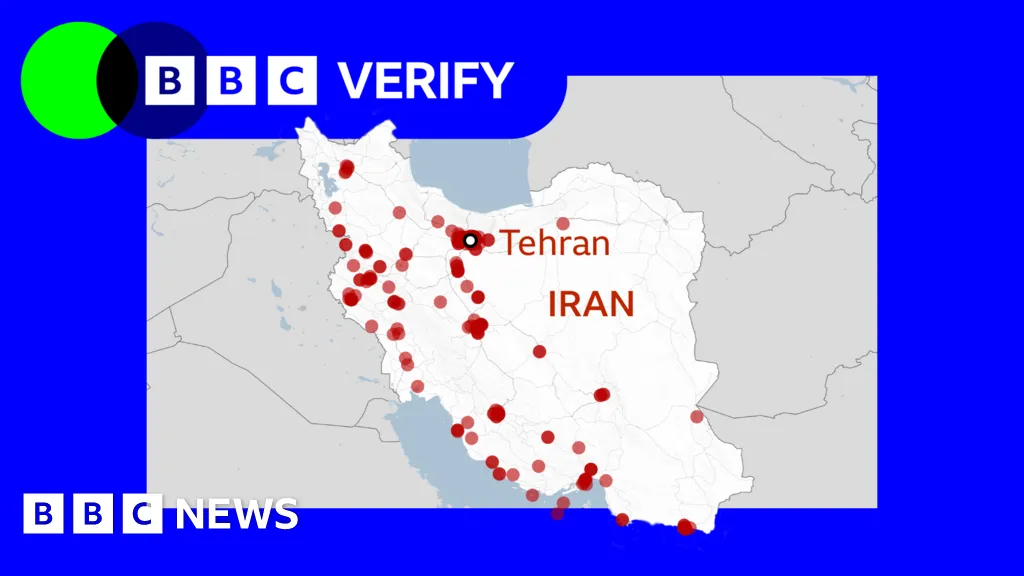
Since the onset of these attacks, Iran’s Health Ministry has reported at least 1,444 fatalities and 18,551 injuries attributed to US-Israel operations. The scale of these casualties highlights the severe impact of the conflict on the Iranian population and raises questions about the humanitarian situation in the region.
In retaliation, Iran has launched waves of drones and missiles targeting Gulf countries that host US military assets. Bahrain reported intercepting 114 missiles and 190 drones since the conflict escalated, while Saudi Arabia has intercepted 10 drones and destroyed an additional 28 that breached its airspace. These defensive measures reflect the growing threat perceived by these nations amidst the escalating violence.
Moreover, the conflict has spilled over into neighboring Oman, where two individuals died after security forces intercepted a drone near an industrial area. This incident illustrates the broader regional implications of the hostilities and the potential for further escalation.
International responses have also been notable. Australia has ordered all non-essential officials to leave the UAE and Israel and has urged its citizens to evacuate the Middle East, indicating a serious concern for safety in the region. This move underscores the global ramifications of the conflict and the potential for wider instability.
US officials have weighed in on the situation, with Secretary of Defense Pete Hegseth remarking, “We know the new so-called, not-so-supreme leader is wounded and likely disfigured,” referring to the Iranian leadership amidst the turmoil. Meanwhile, US Senator Lindsey Graham stated, “I don’t see this conflict ending today,” suggesting that the violence may persist for the foreseeable future.
Israeli Prime Minister Benjamin Netanyahu added, “Israel can create conditions for regime change, but it is up to Iran’s people to take to the streets,” indicating a belief in the potential for internal change within Iran. As the situation develops, observers remain watchful of the potential for further escalation and the international community’s response to these ongoing Iran attacks.