The Indian Premier League (IPL) has been a cornerstone of cricket since its inception in 2008. As the tournament enters its 19th edition in 2026, expectations were high for continuity and familiar team dynamics. However, the landscape has shifted significantly with new leadership and structural changes.
Before the 2026 season, teams were expected to maintain their established rosters and strategies. The Mumbai Indians, with a record of five IPL titles, were anticipated to continue their dominance. Meanwhile, Punjab Kings, who have yet to secure a title, were looking to build on their previous runner-up finishes in 2014 and 2025.
The decisive moment came during the player auction, where Kolkata Knight Riders made headlines by acquiring Cameron Green for $2.7 million. This marked a significant investment in a player who is expected to make a substantial impact on the team’s performance.
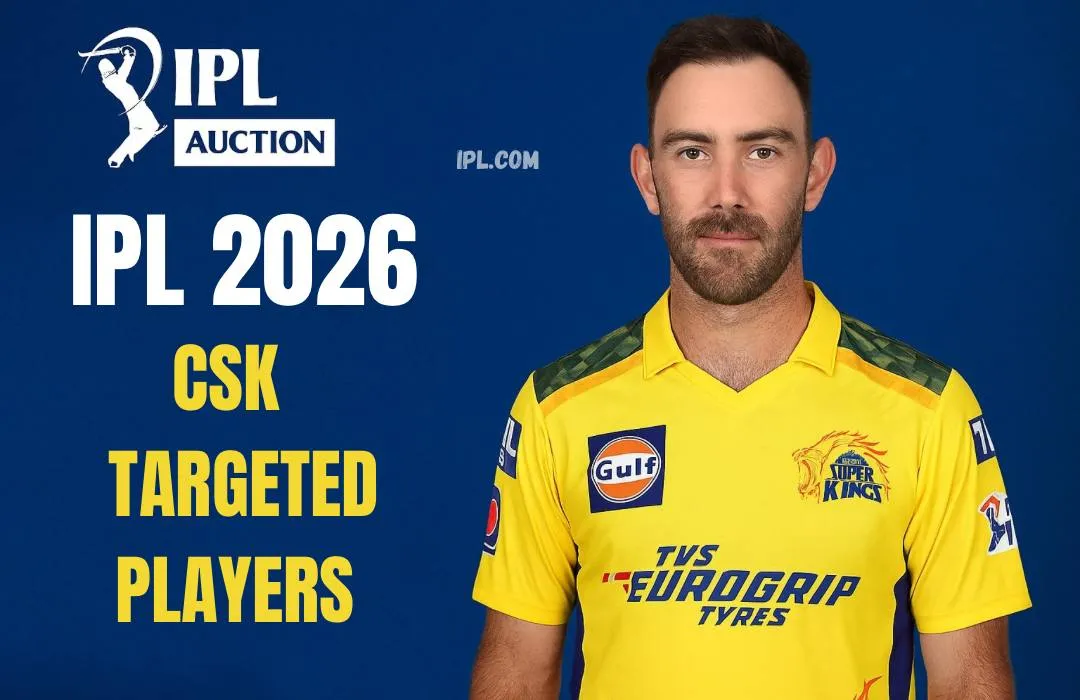
Additionally, leadership changes have reshaped team strategies. Ruturaj Gaikwad has taken over as captain of the Chennai Super Kings, bringing a fresh perspective to a team that has historically been a strong contender. Ajinkya Rahane leads the Kolkata Knight Riders, aiming to improve upon their eighth-place finish from the previous season.
The introduction of a modified group stage format for IPL 2026 is another notable change, designed to enhance competition and engagement among teams. This alteration reflects the league’s ongoing evolution and response to fan expectations.
Young talent is also making waves, with 15-year-old Vaibhav Suryavanshi expected to shine for the Rajasthan Royals. His inclusion highlights the league’s commitment to nurturing emerging players and diversifying team compositions.
The opening match of the season is set to feature Royal Challengers Bengaluru against Sunrisers Hyderabad, setting the stage for an exciting tournament. The final match is scheduled for May 31, 2026, promising a thrilling conclusion to the season.
As the IPL 2026 unfolds, the effects of these changes will be closely monitored by fans and analysts alike. The shift in team dynamics and leadership could redefine the competitive landscape of the league.
Details remain unconfirmed regarding how these changes will ultimately affect team performance and fan engagement, but the anticipation is palpable as the season approaches.